






What Kind of Rug Works with a Robot Vacuum?
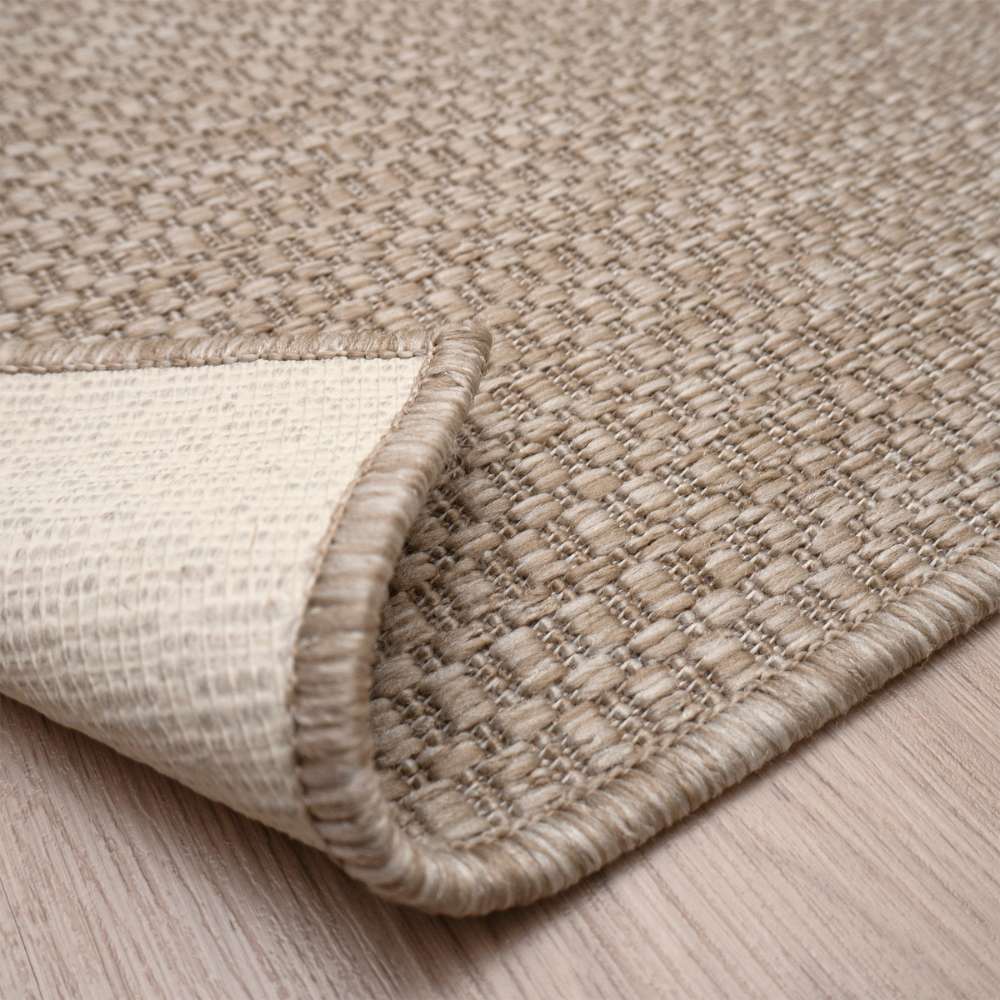
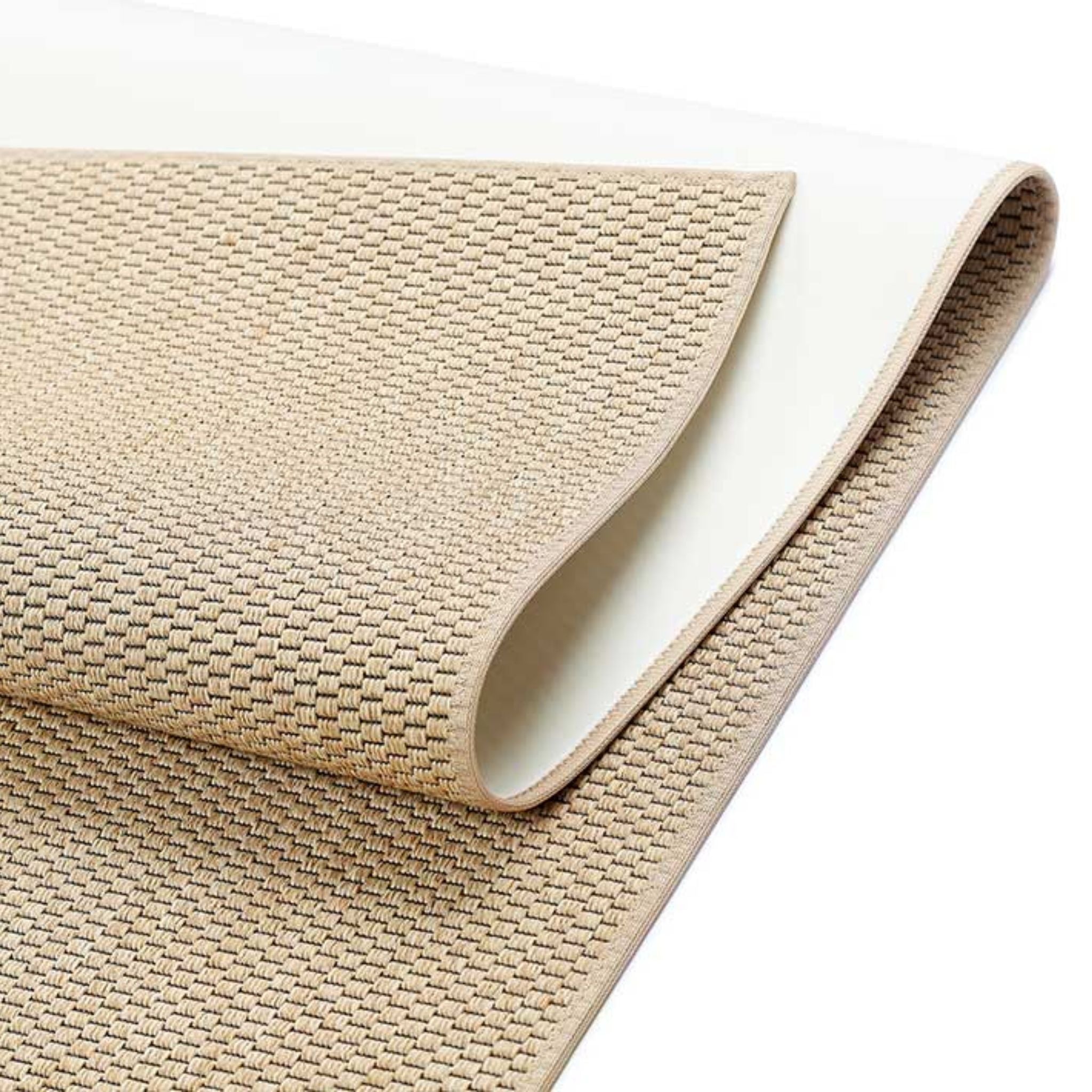
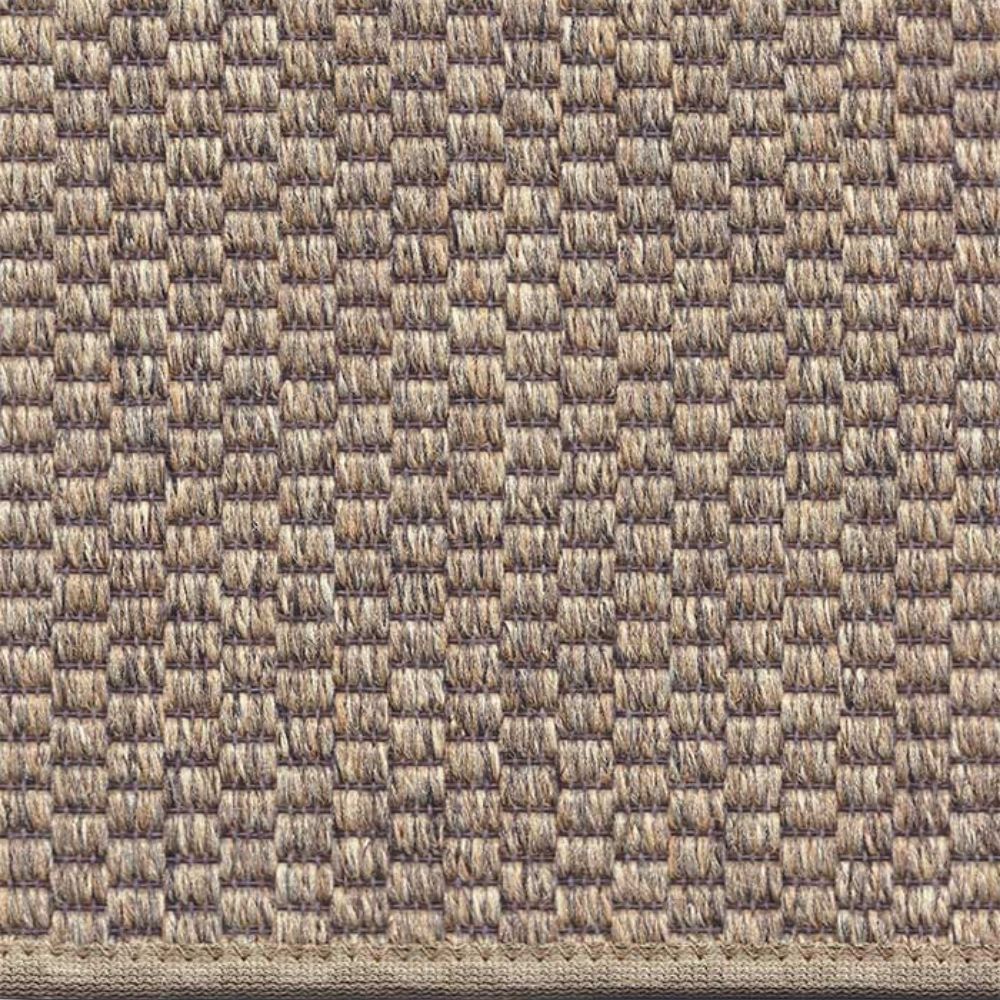
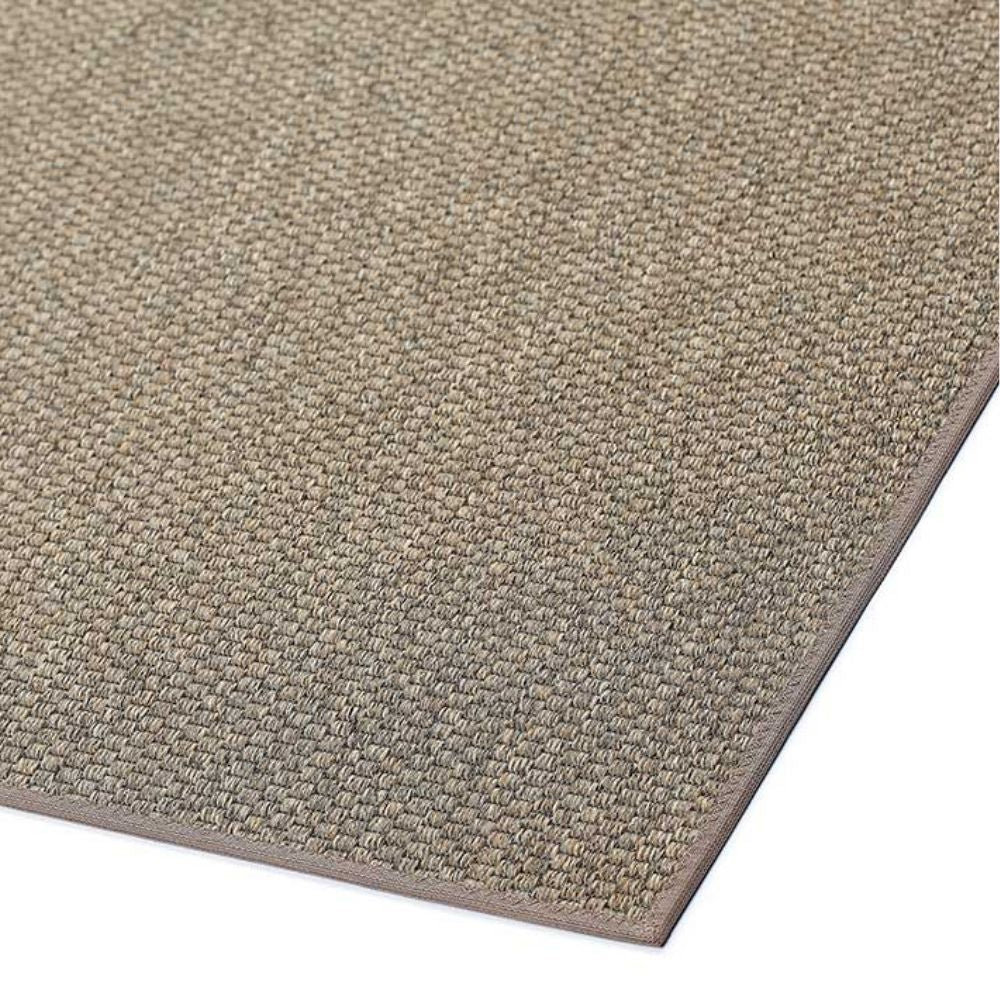
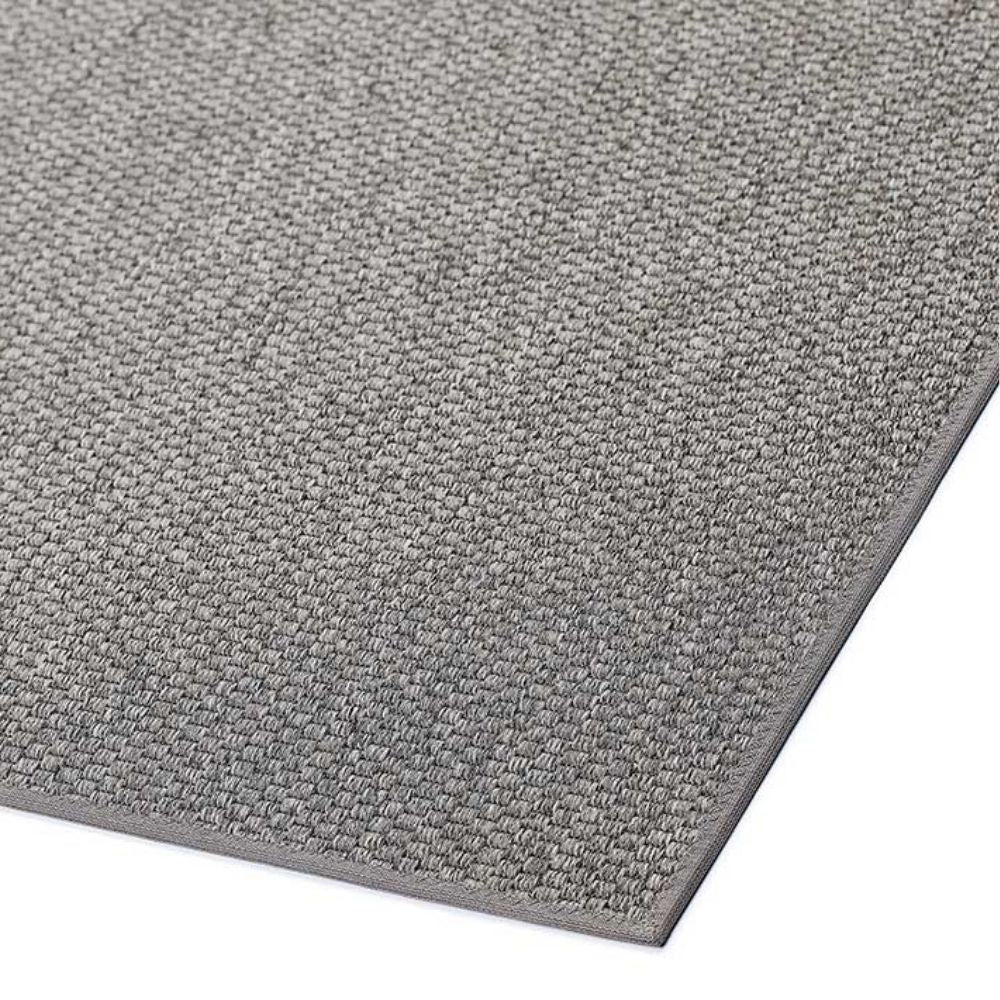
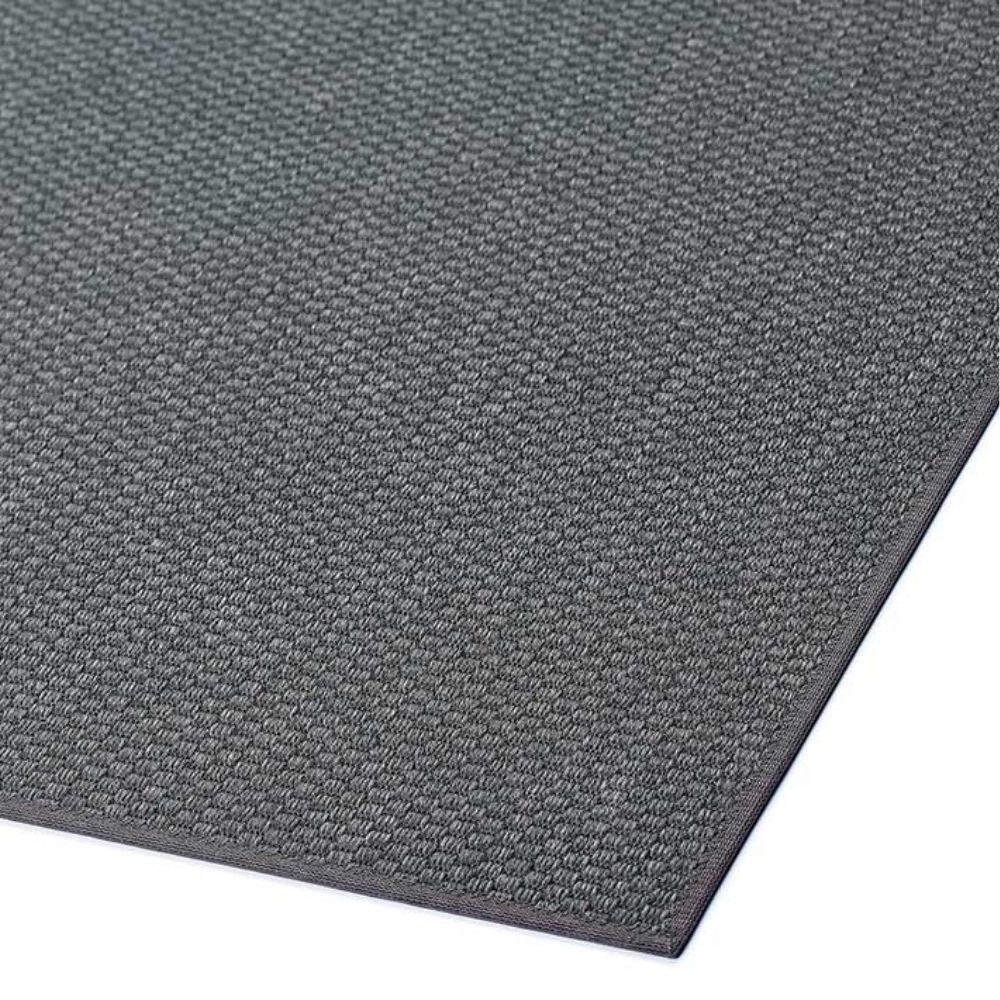
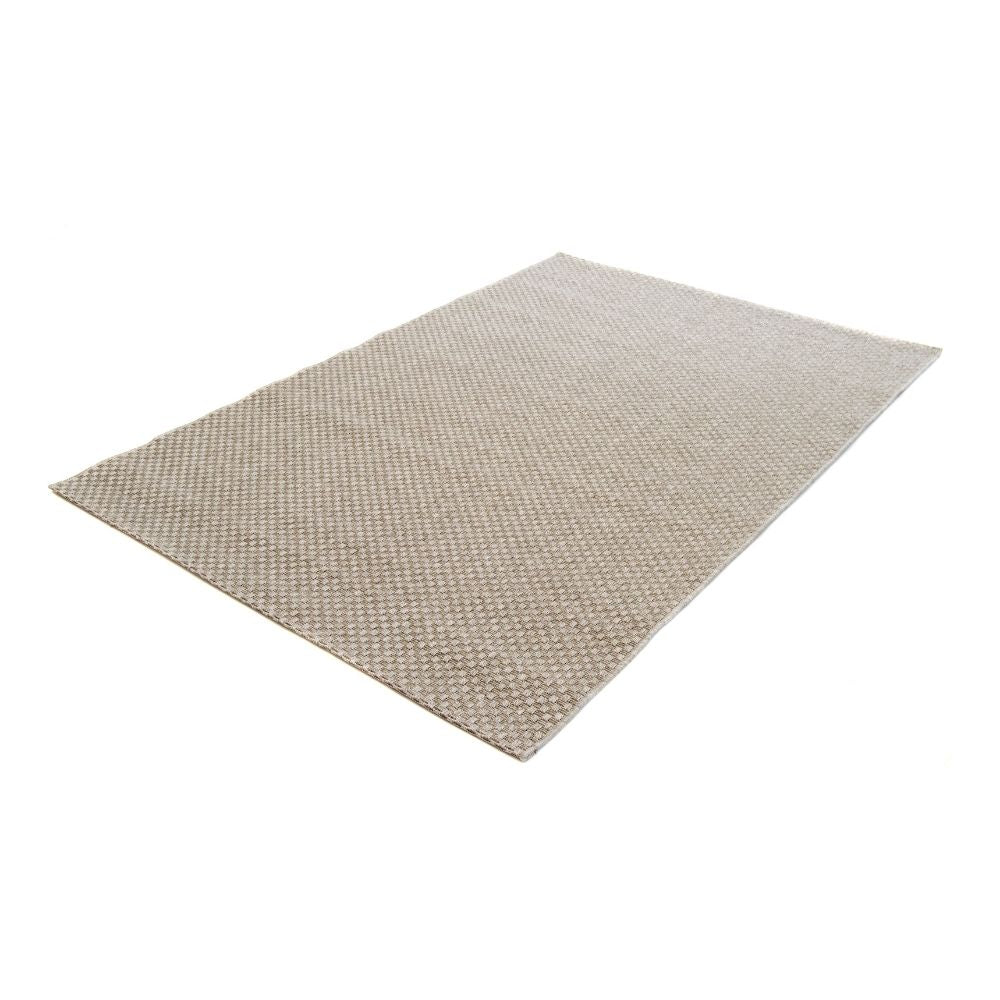
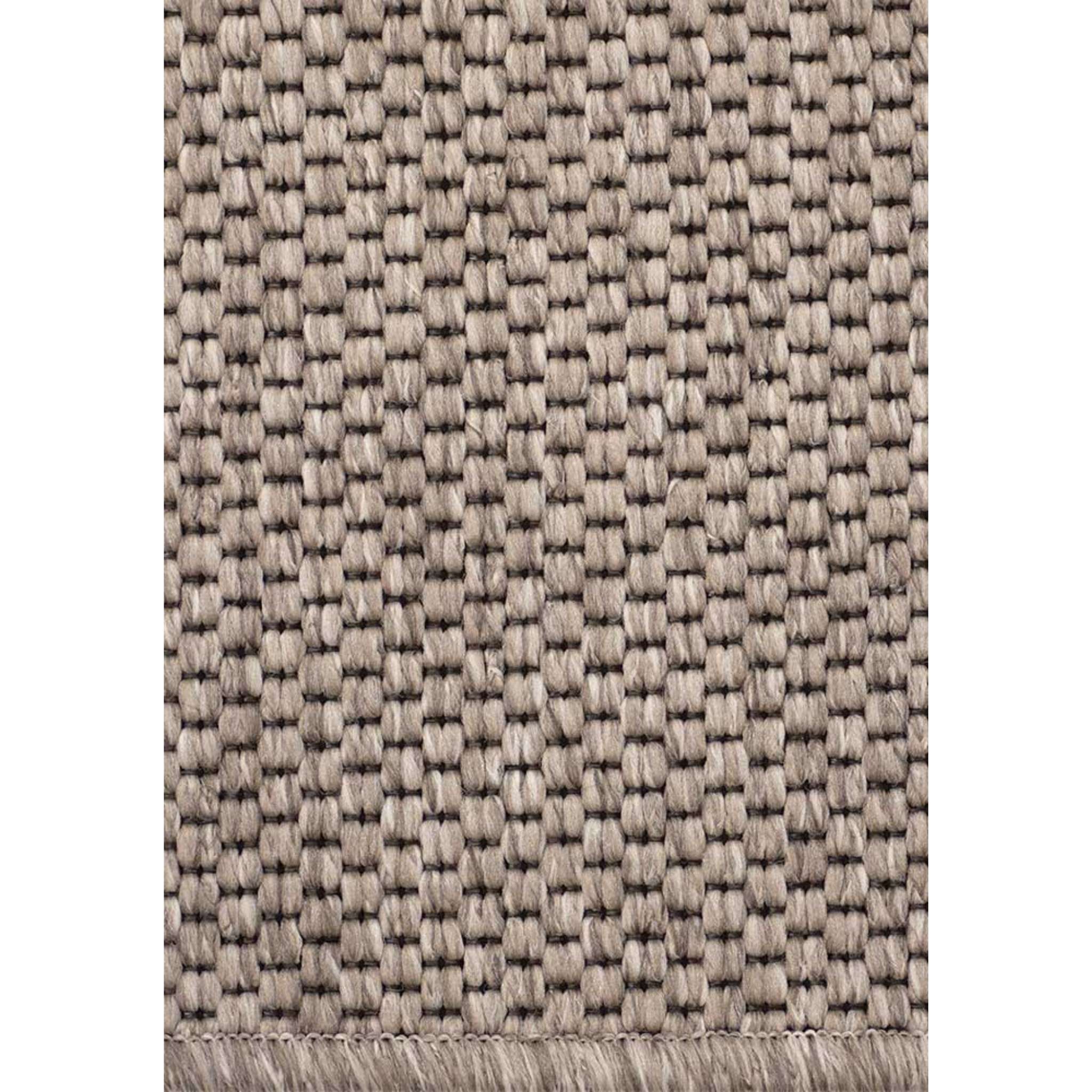
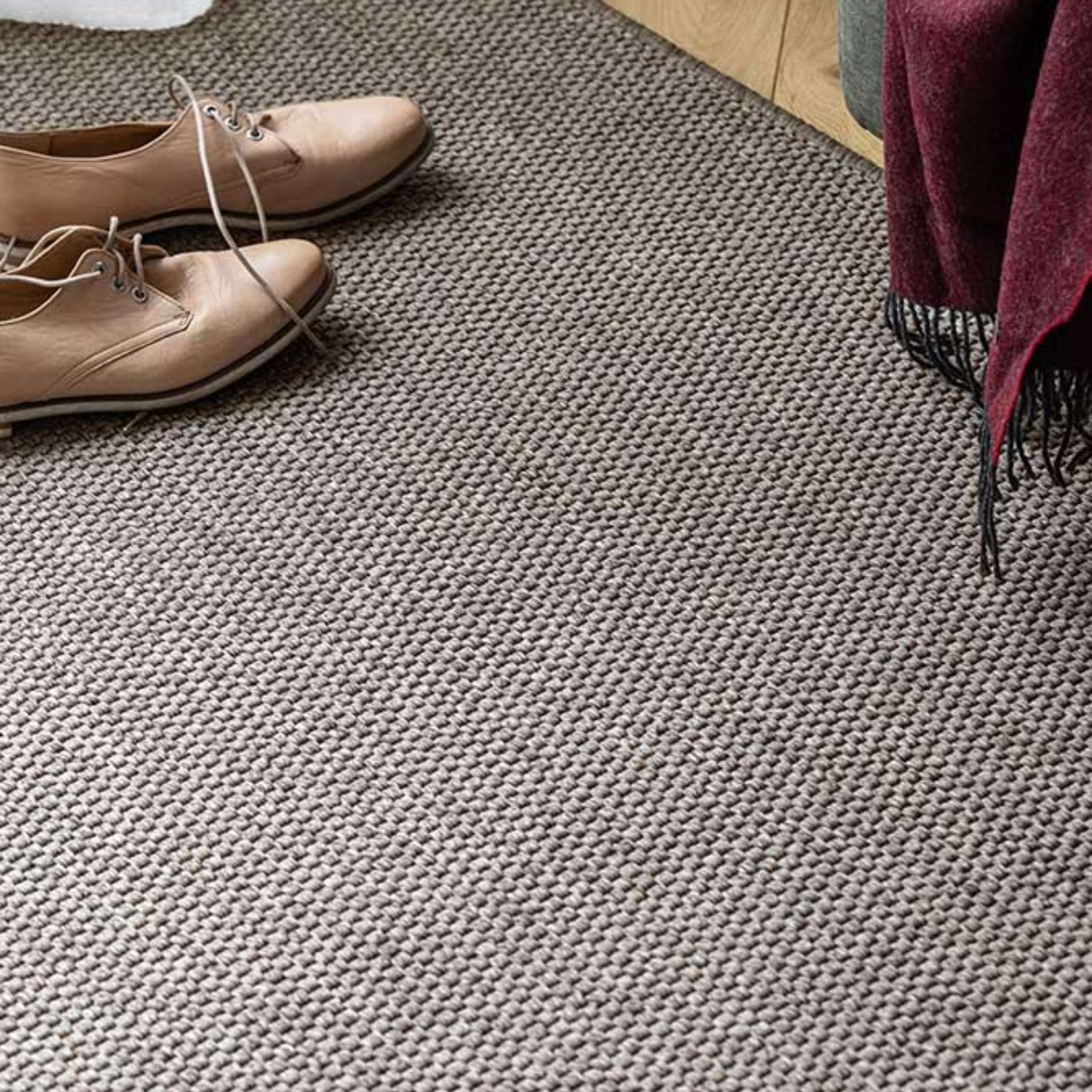
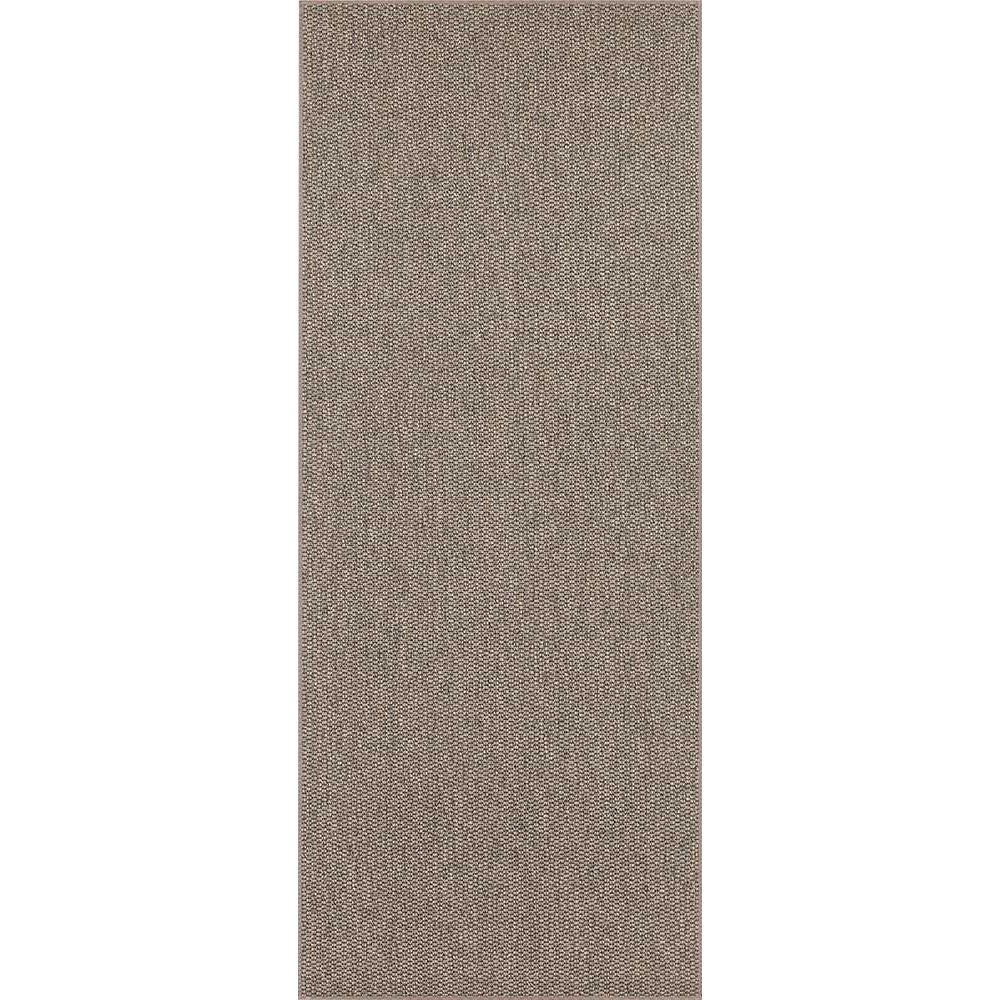
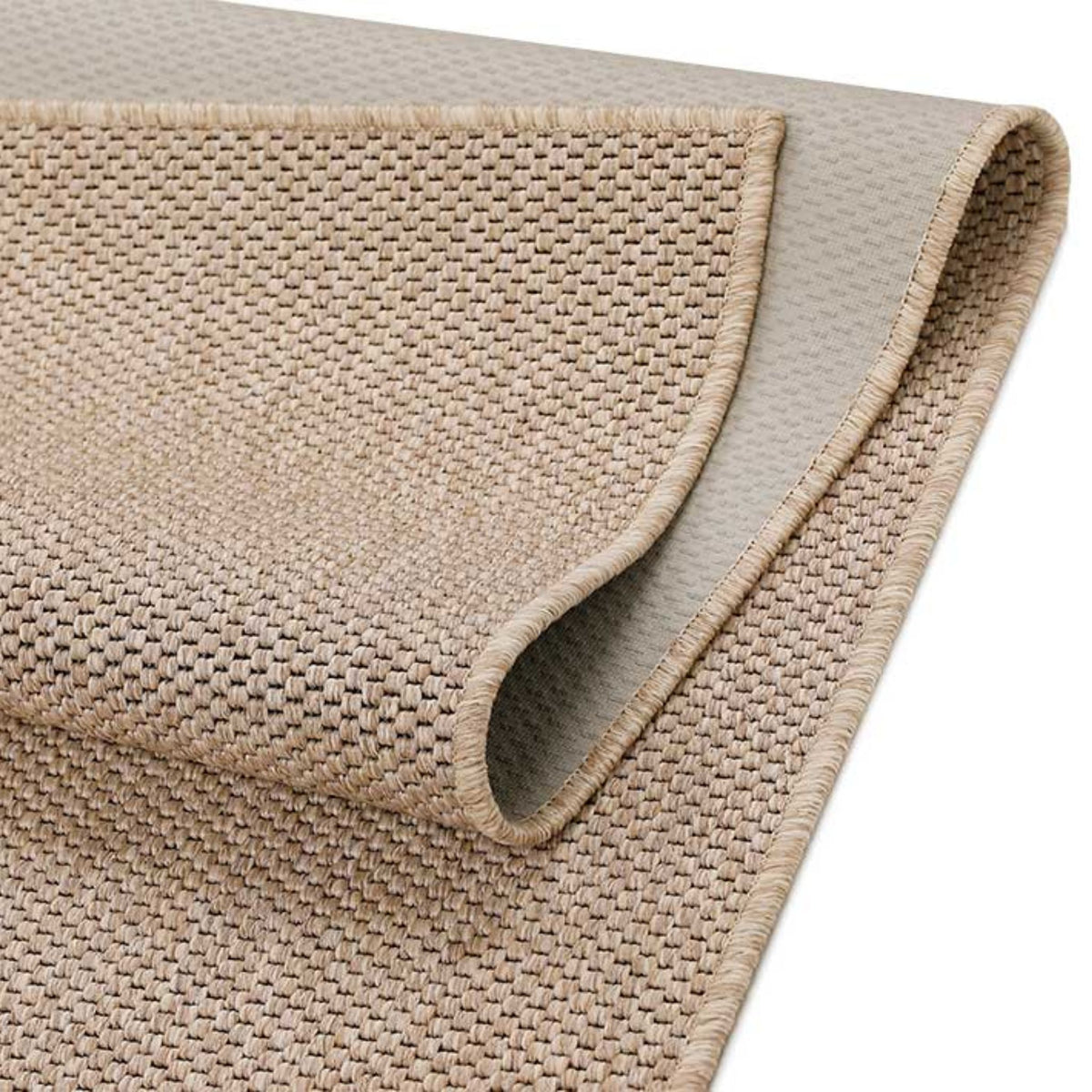
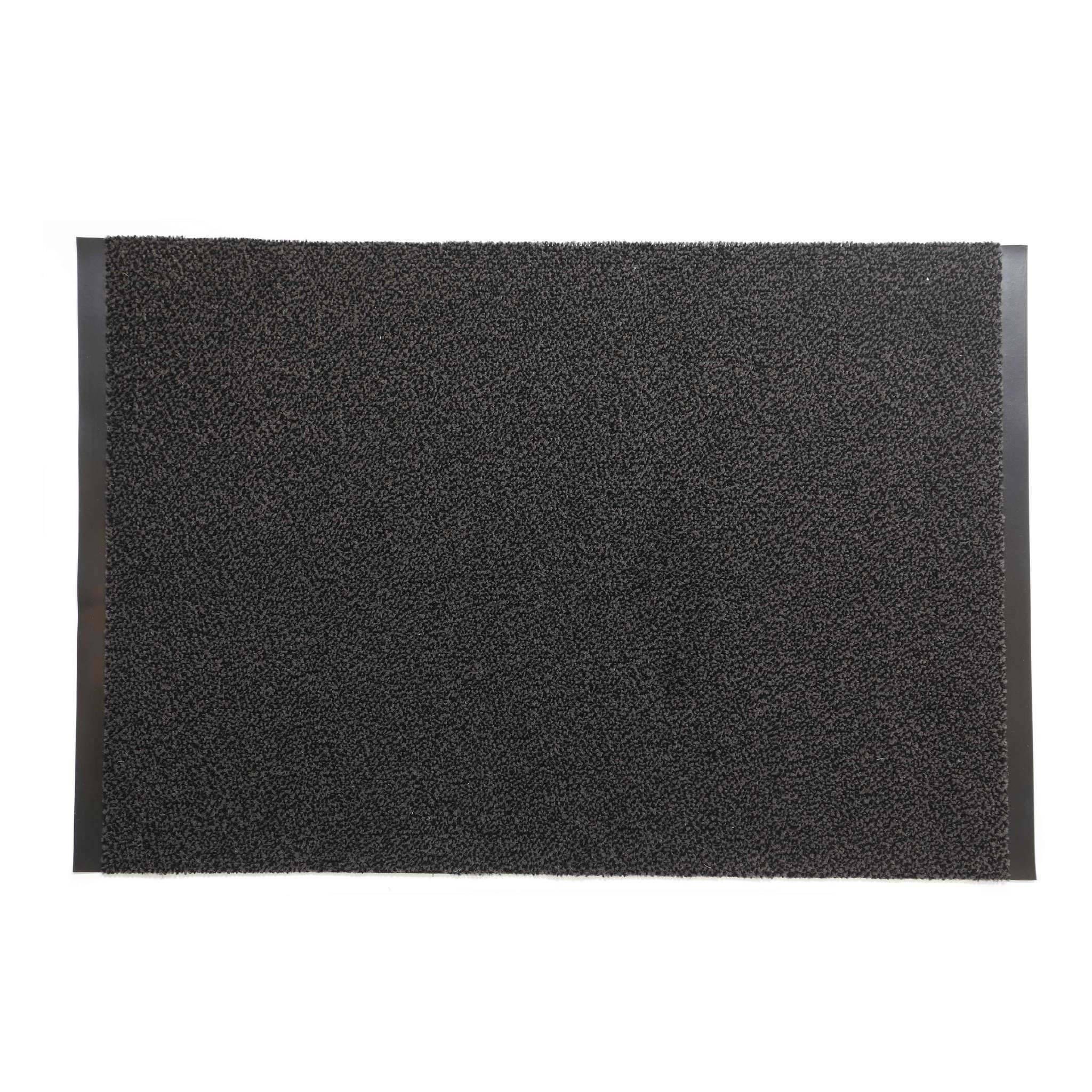
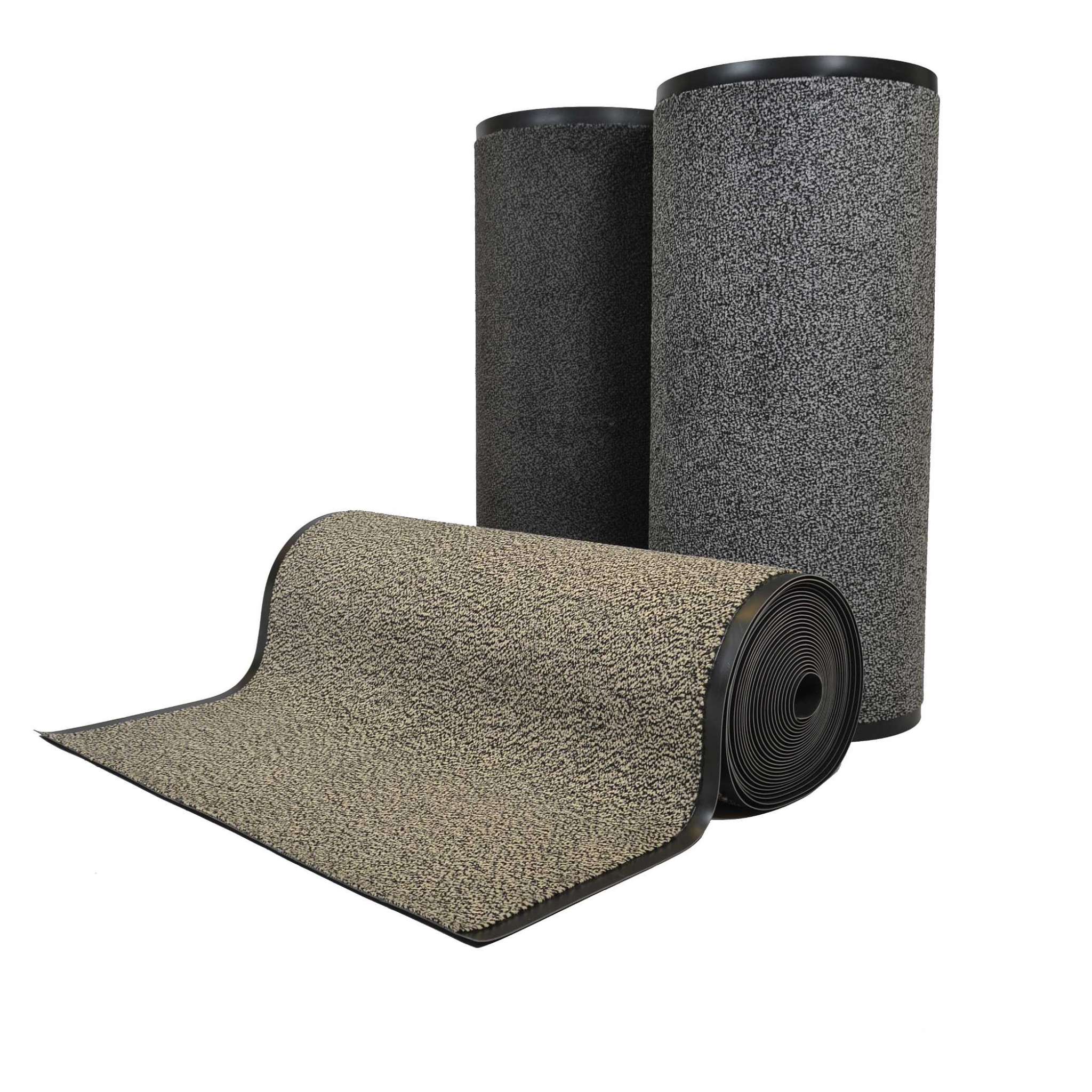
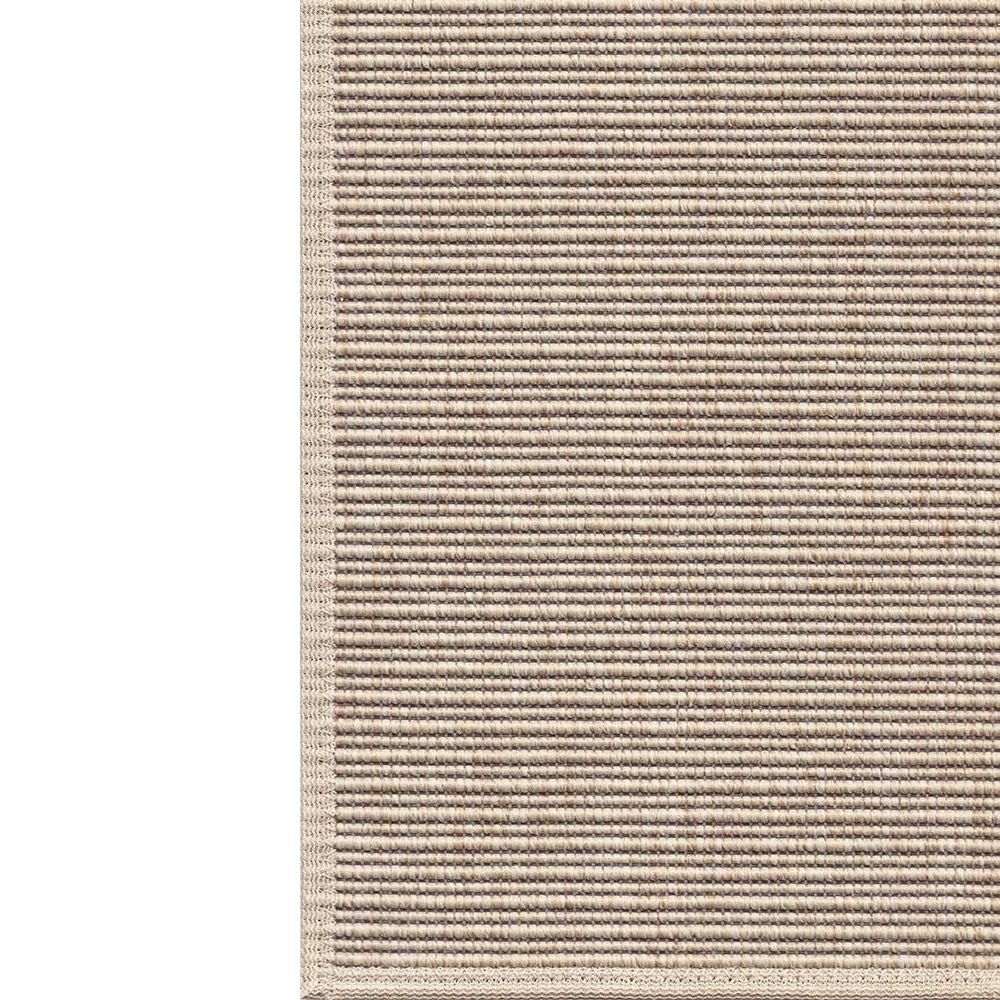
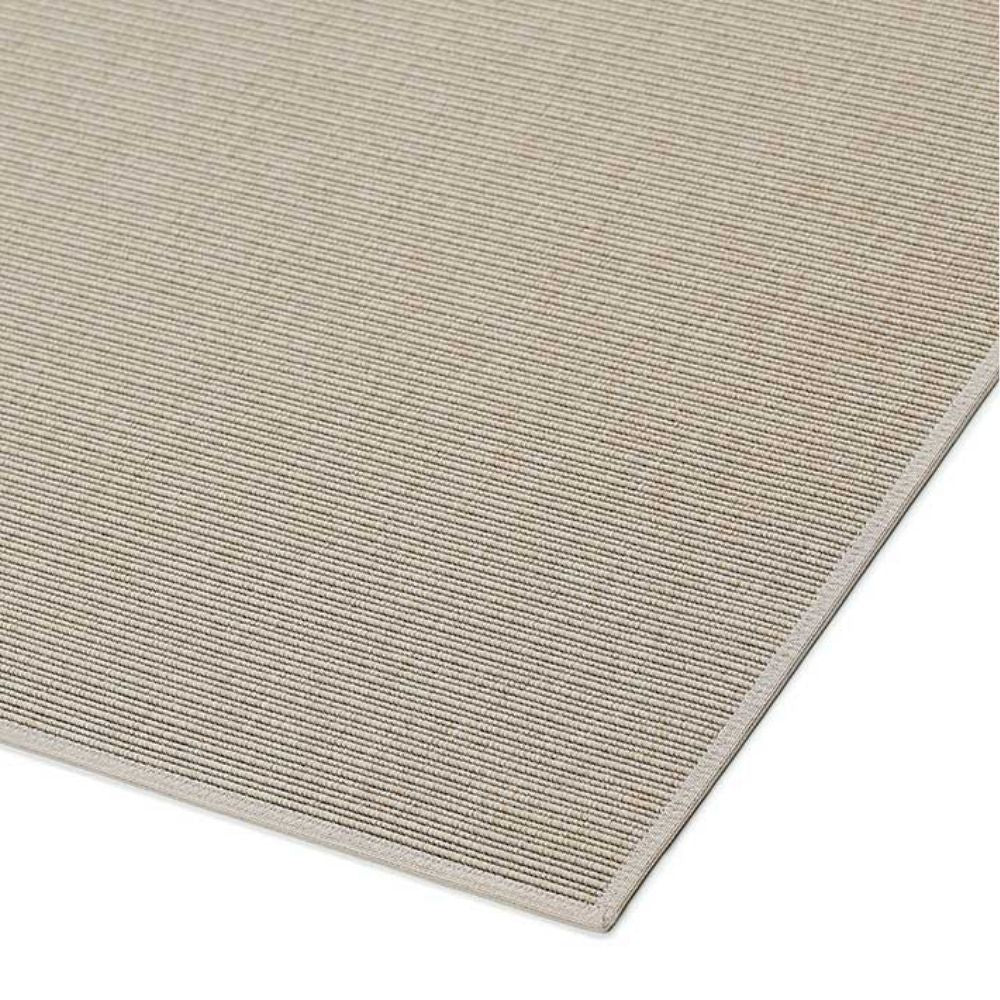
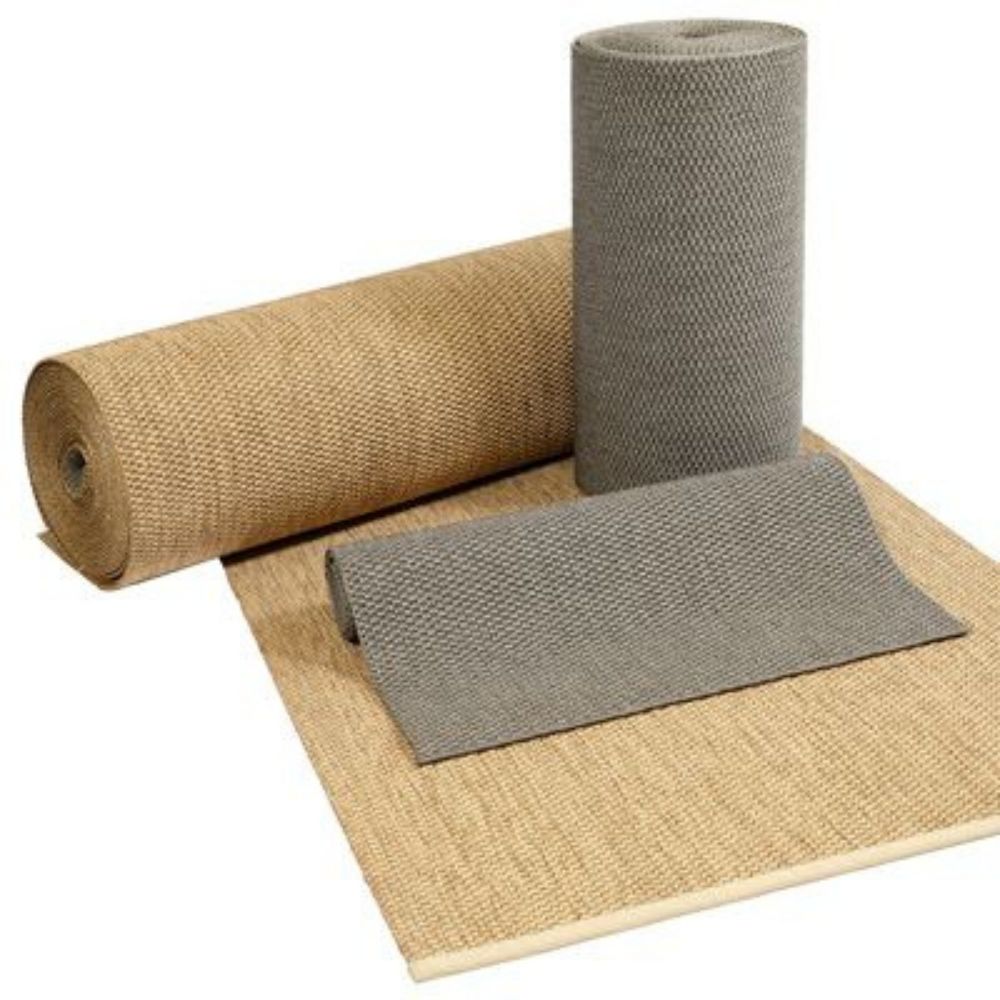
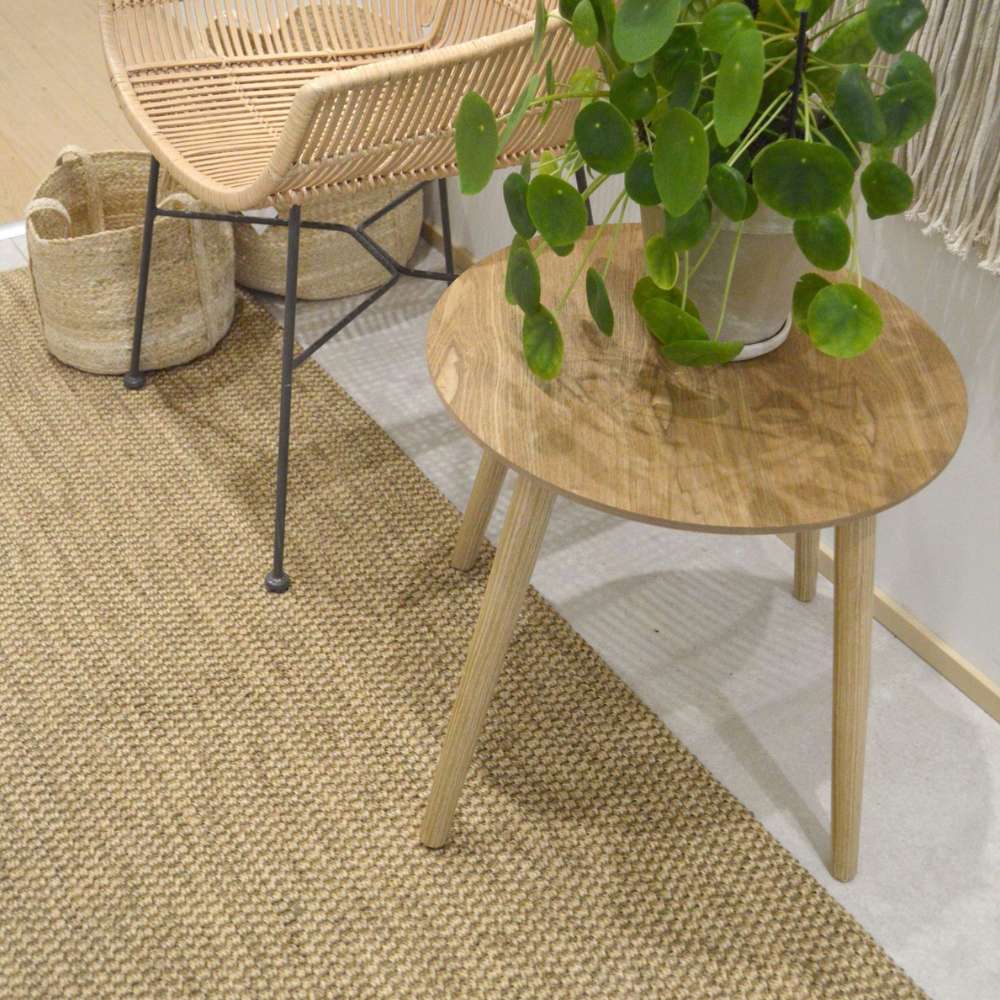
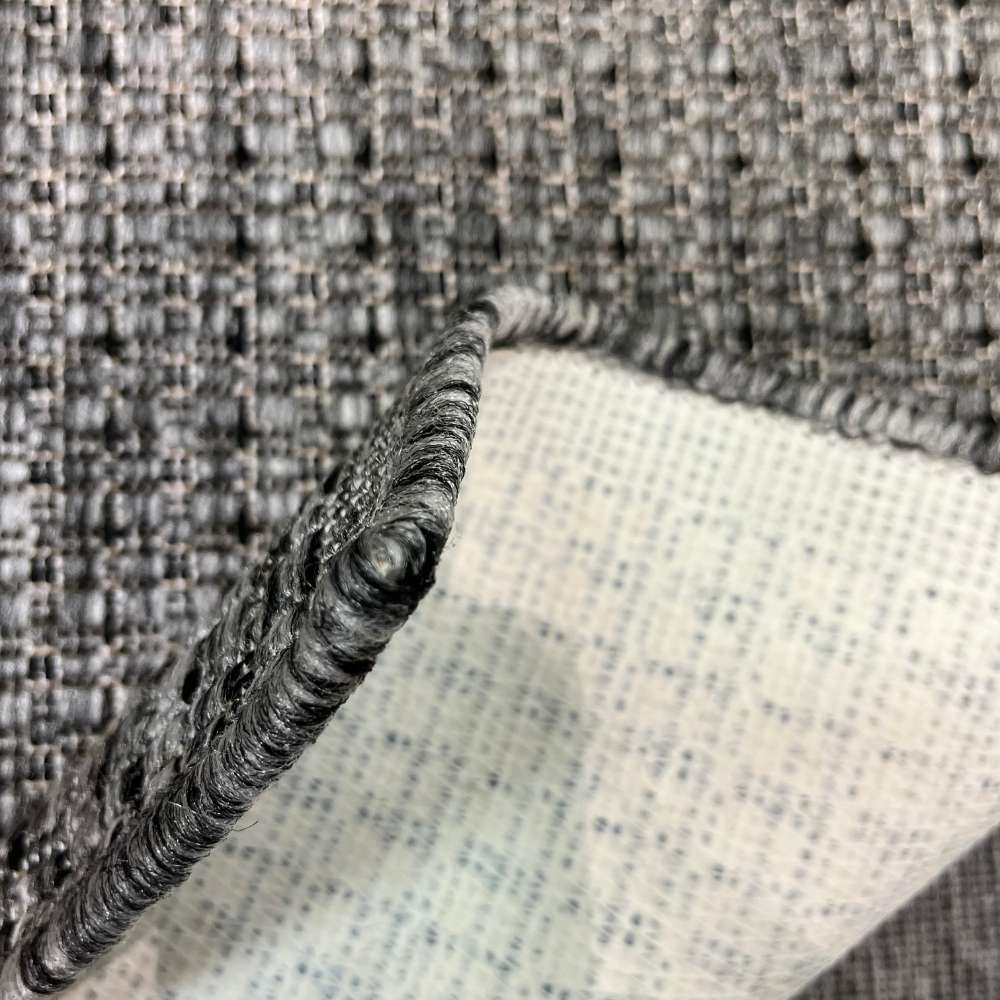
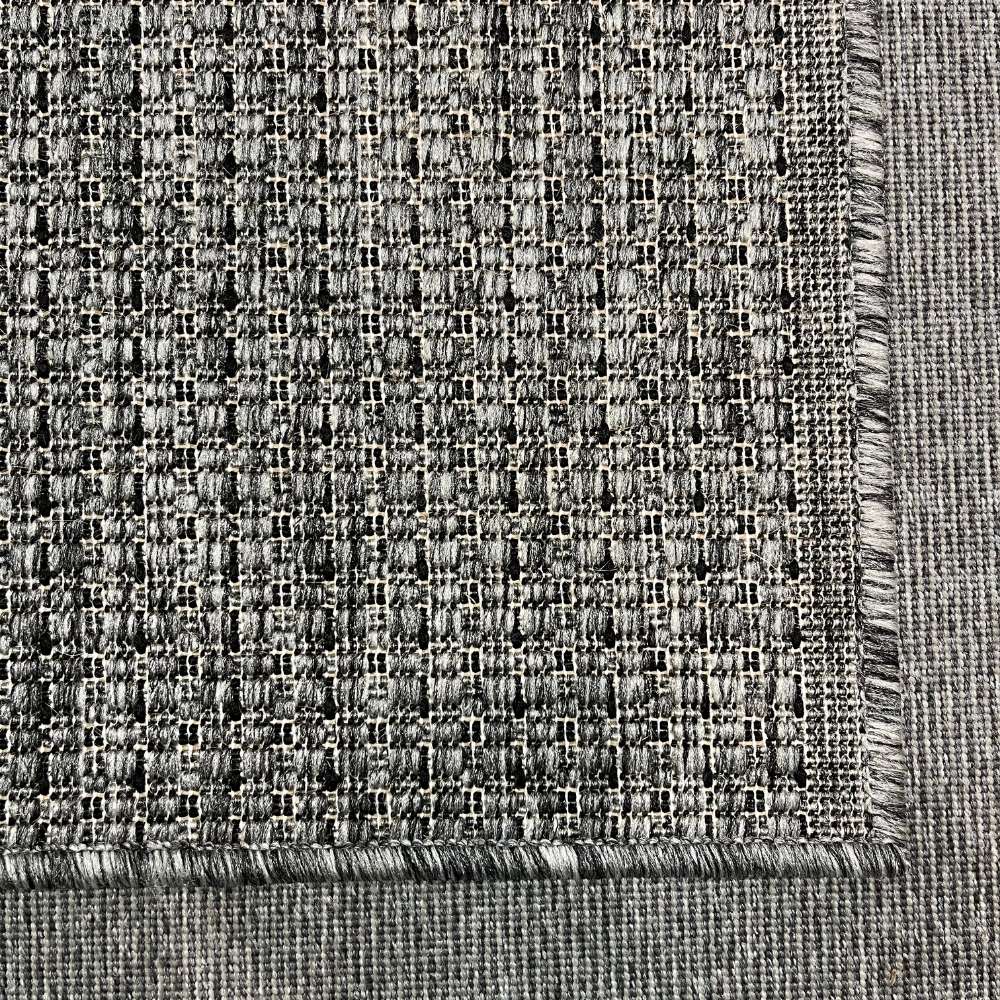
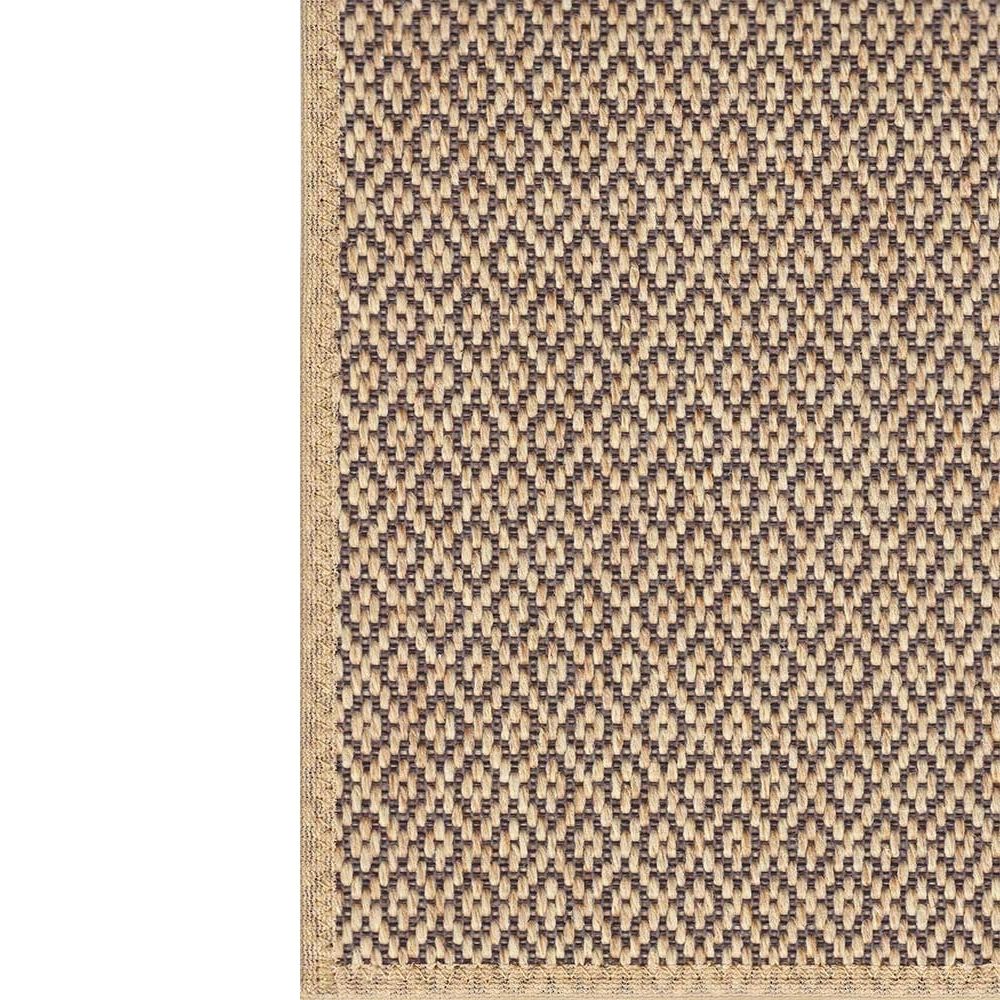
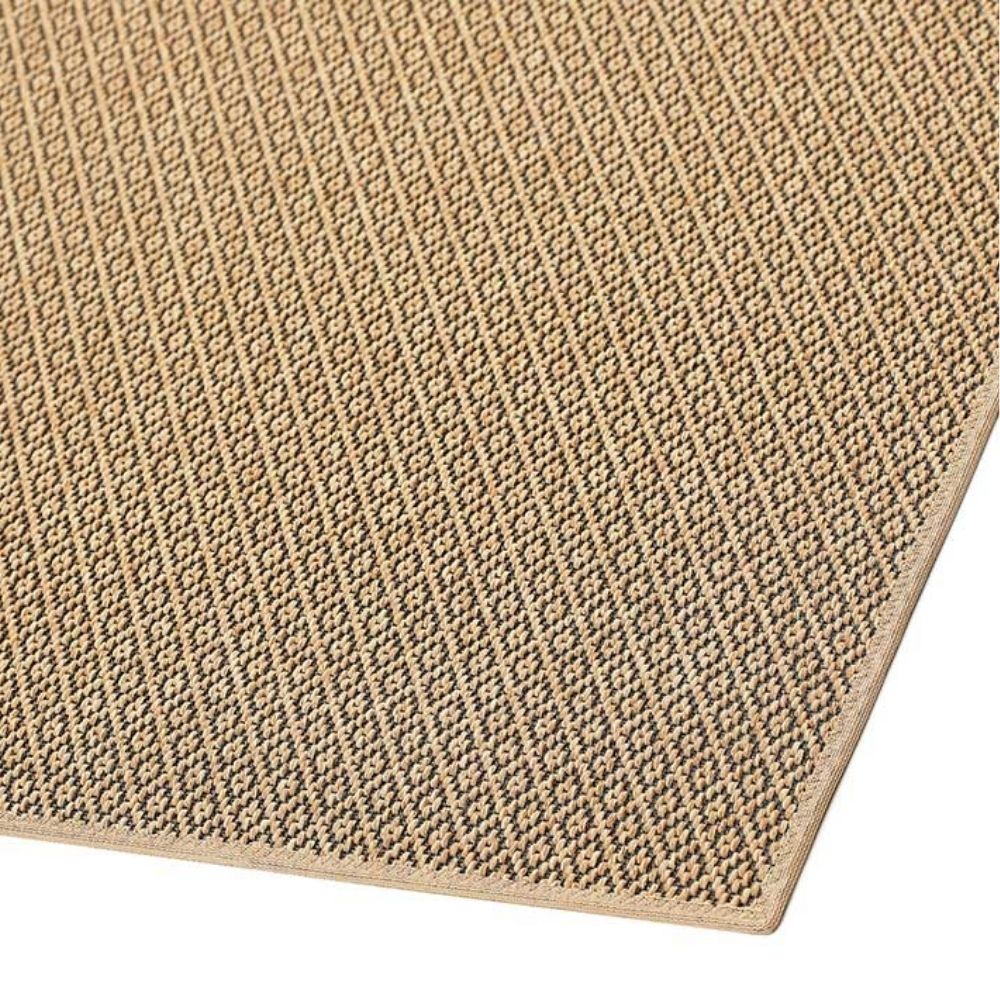
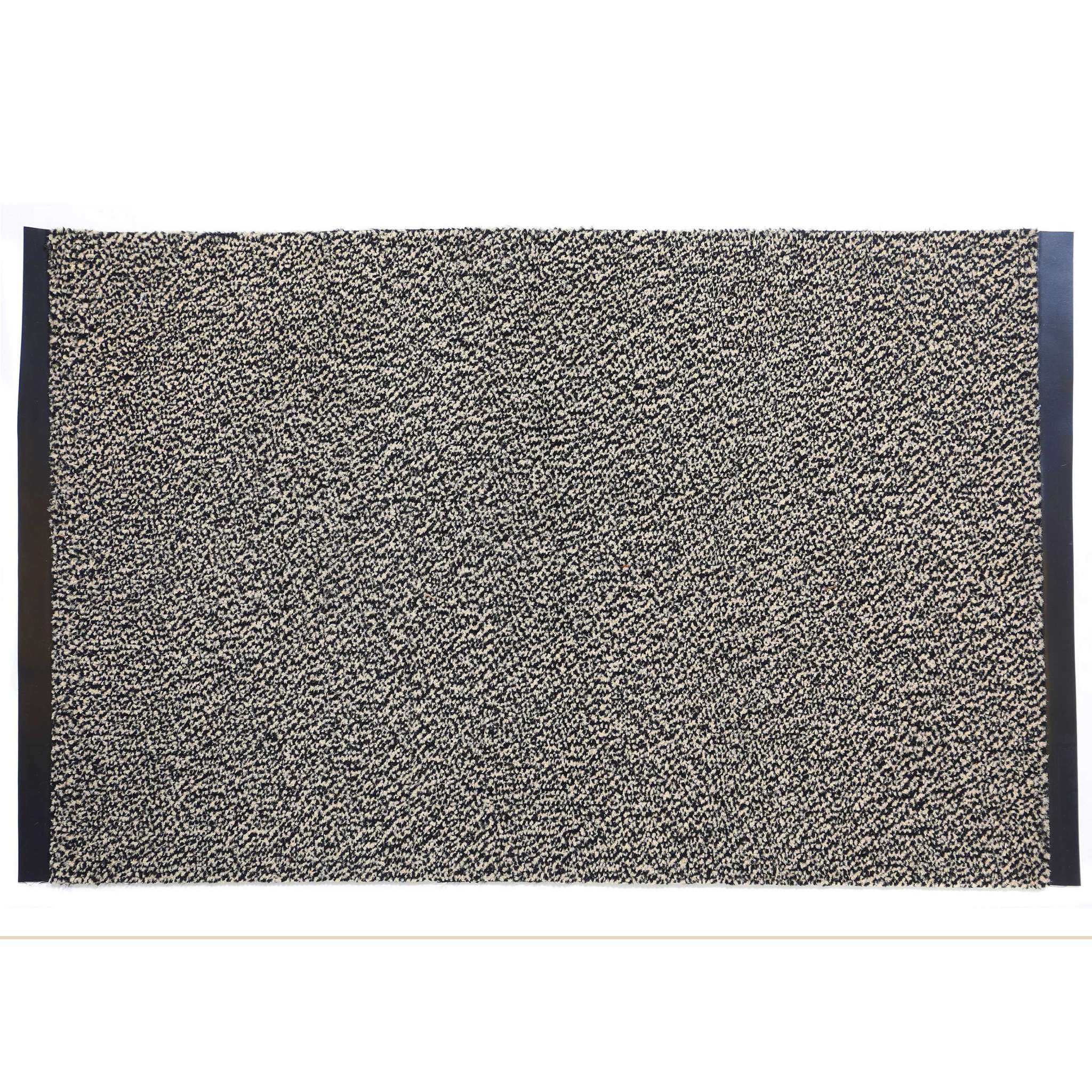
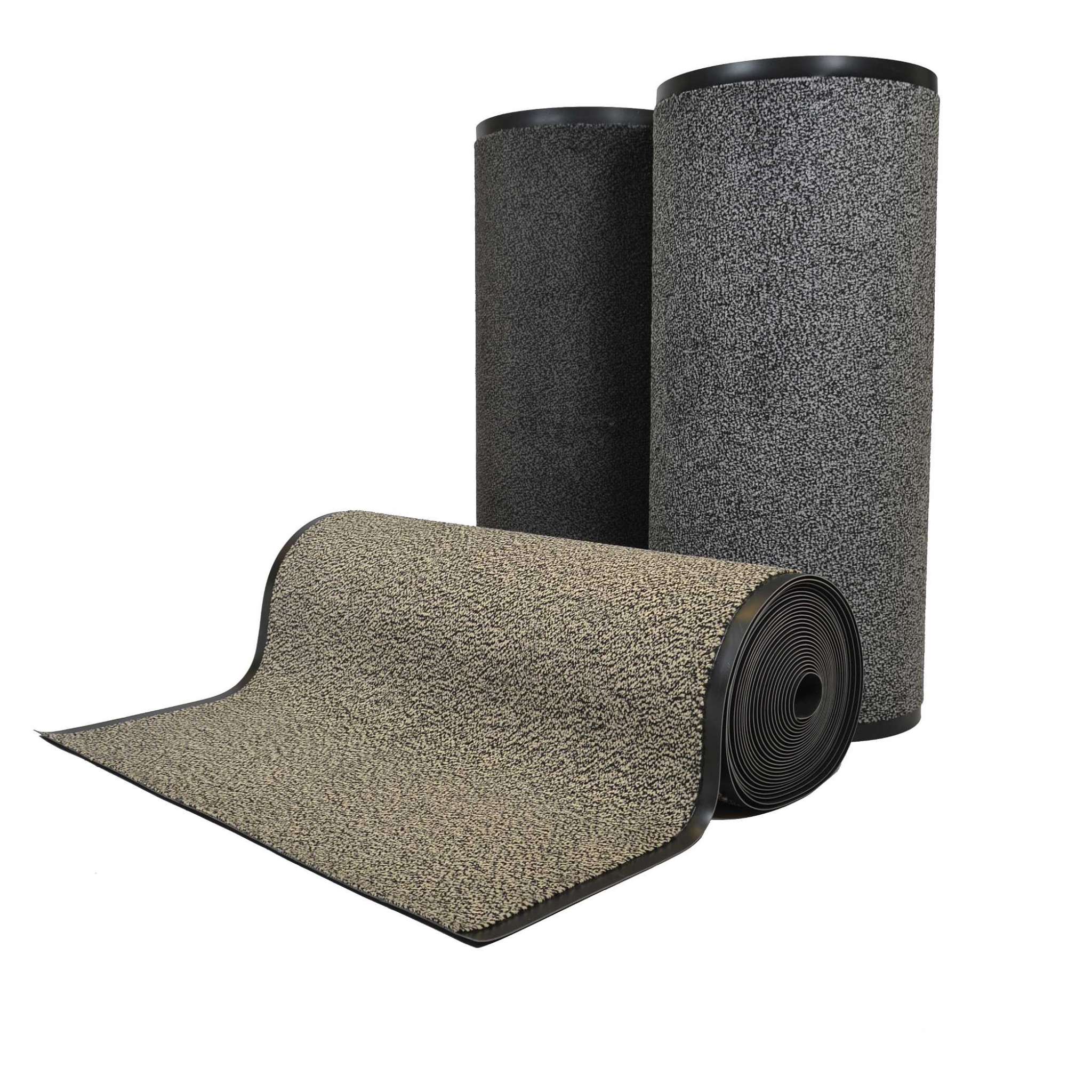
The best rug for a robot vacuum is usually low, flat, stable and free from loose details. A smooth or tightly woven surface is generally easier for the device to cross and clean than a deep, soft pile. The edges should lie flat, and long fringes or loose threads should not reach the brushes or wheels.
Material alone does not determine whether a rug is suitable. Two rugs made from the same fibre can behave very differently if one is tightly woven and thin while the other is thick, soft or loosely constructed. This is why the complete structure of the rug matters more than a single product detail.
Before choosing a rug, compare its surface, total thickness, edges, backing and care instructions. You should also consider the height and capabilities of your particular robot vacuum, as devices differ in how well they cross thresholds and changes in floor level.
Why Are Some Rugs More Difficult for Robot Vacuums?
A robot vacuum needs to recognise the rug, climb onto it, move across the surface and return to the hard floor without becoming stuck. Problems can occur at any of these stages.
The most common challenges are caused by:
- a very high or soft pile
- a thick transition from the floor to the rug
- curled corners or raised edges
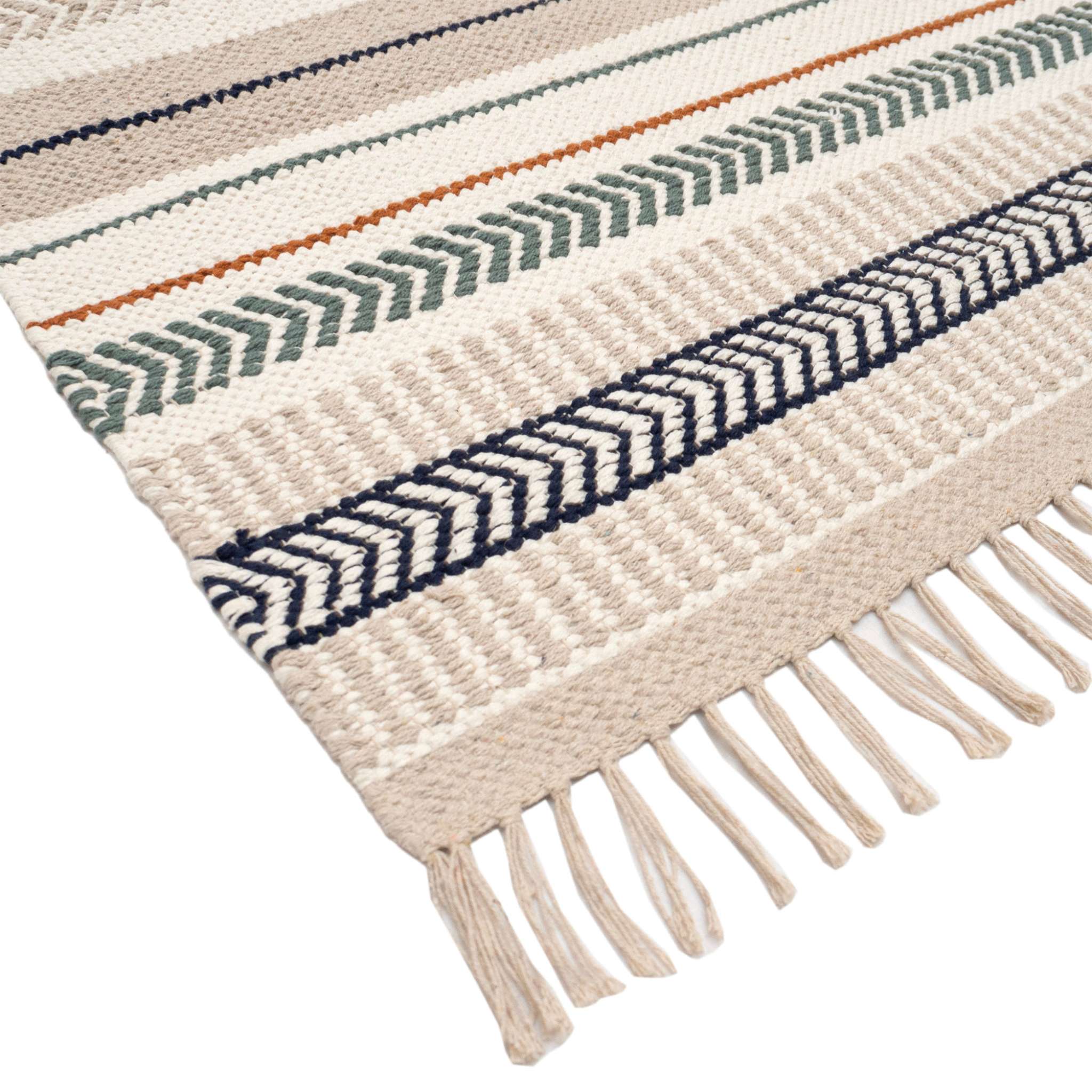
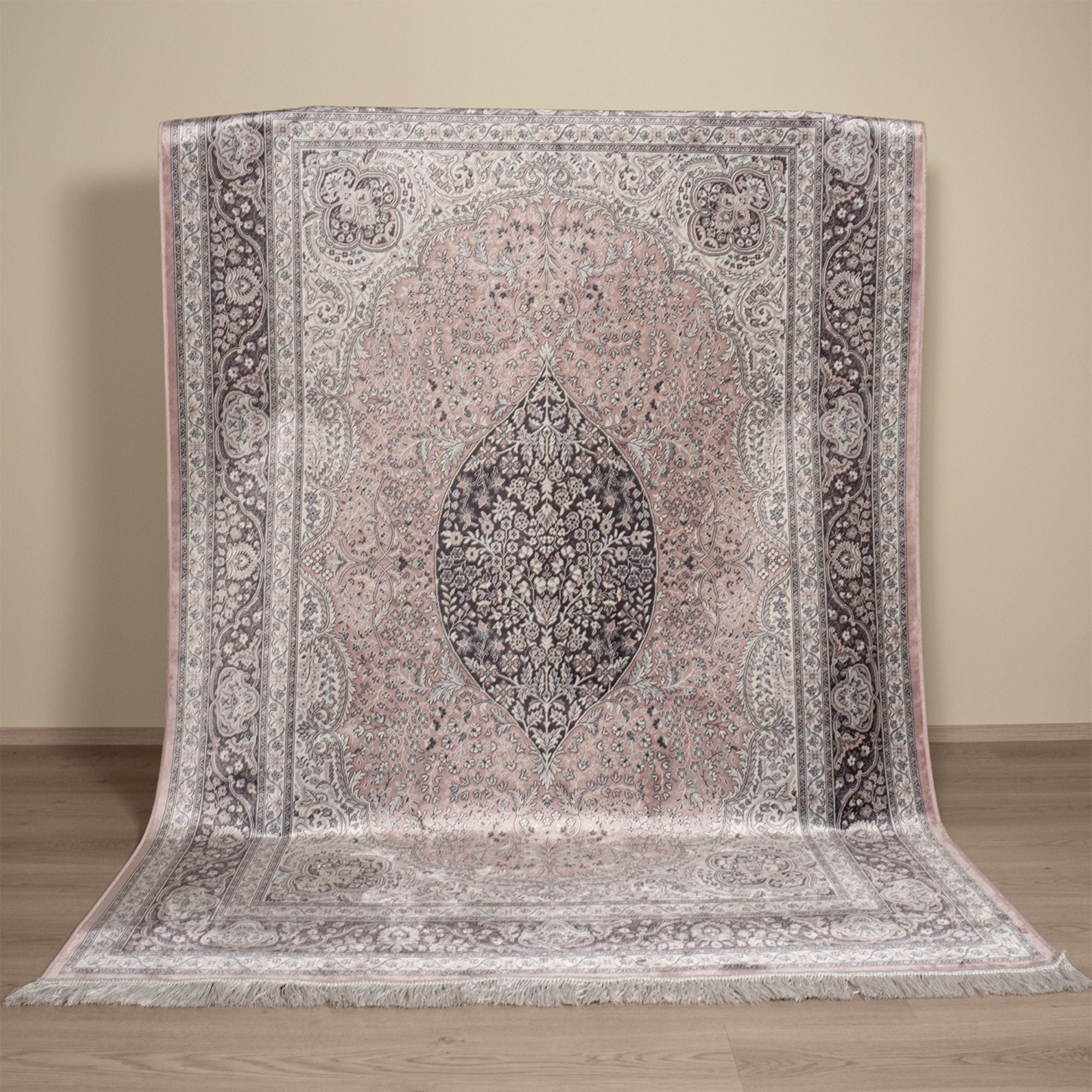
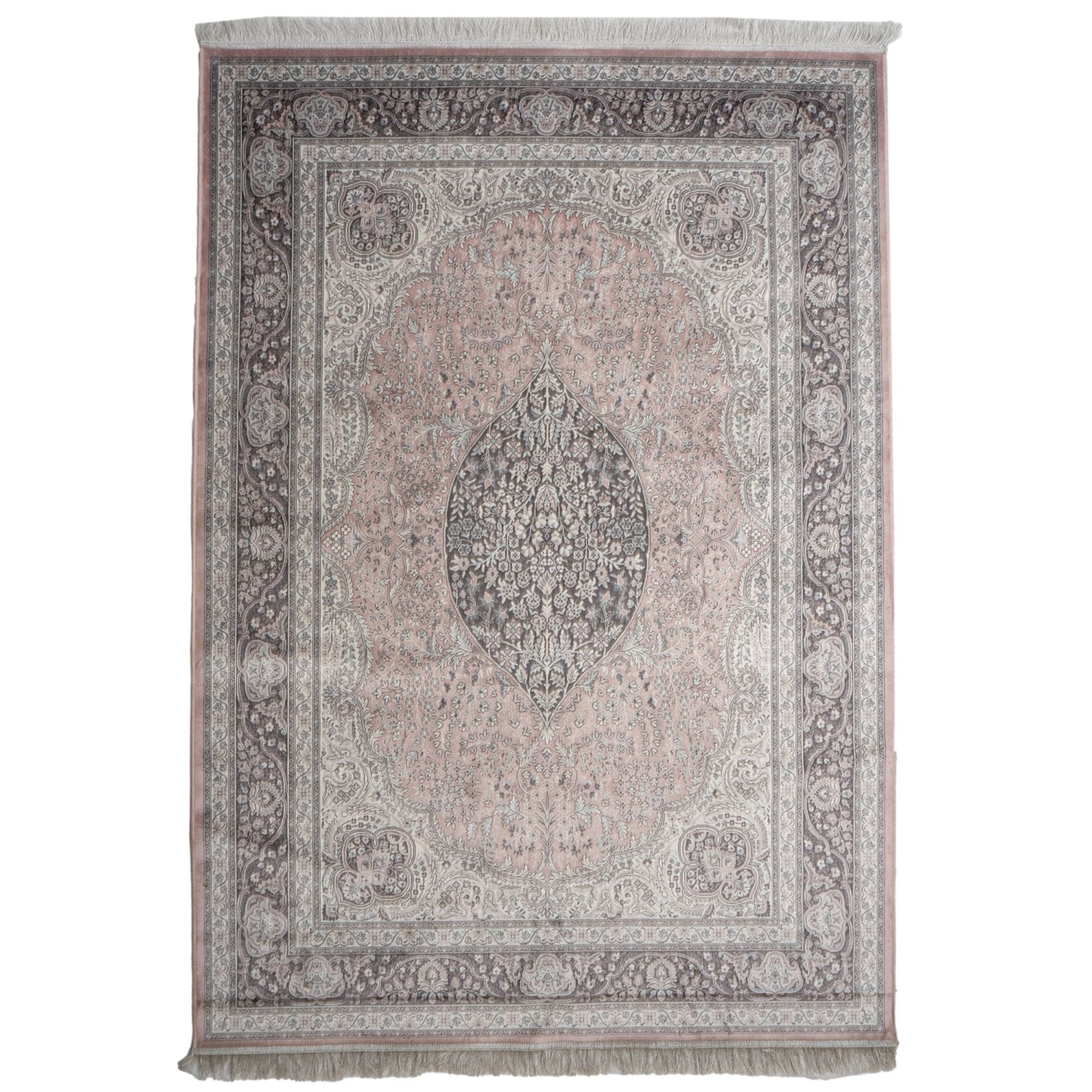
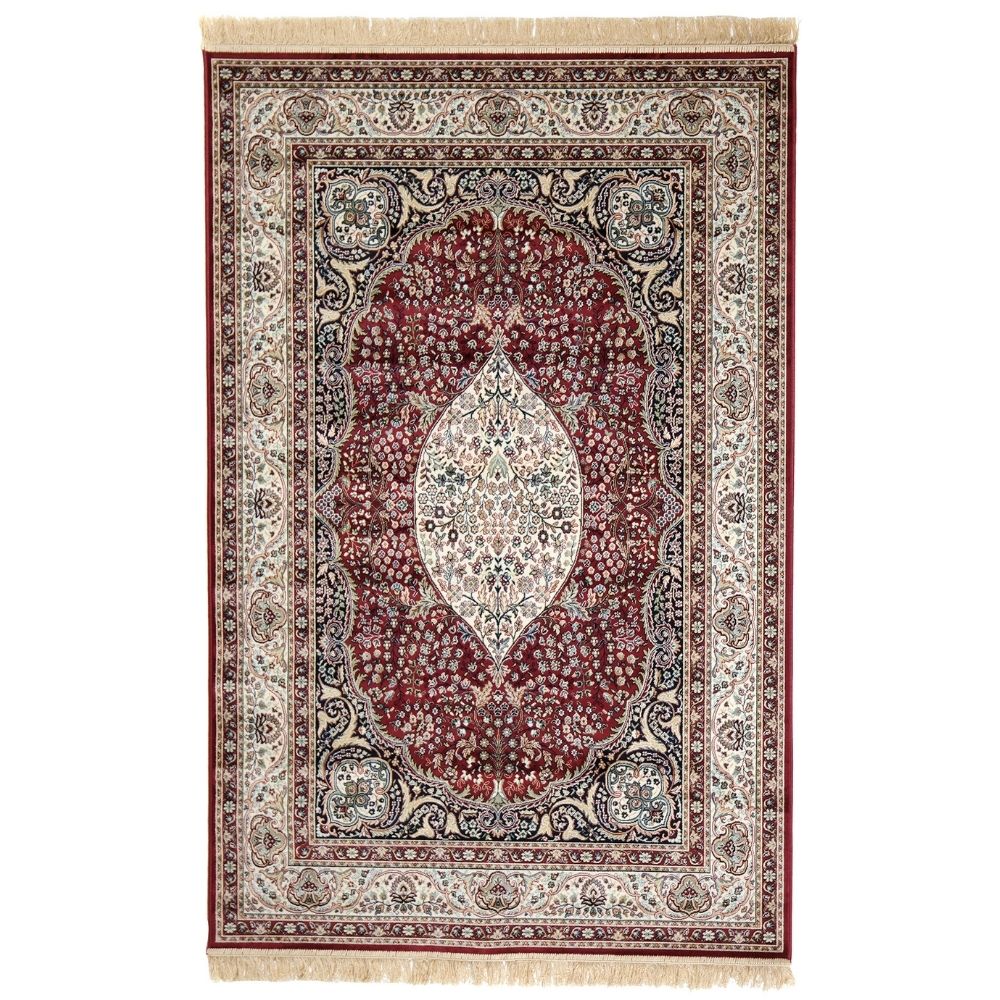
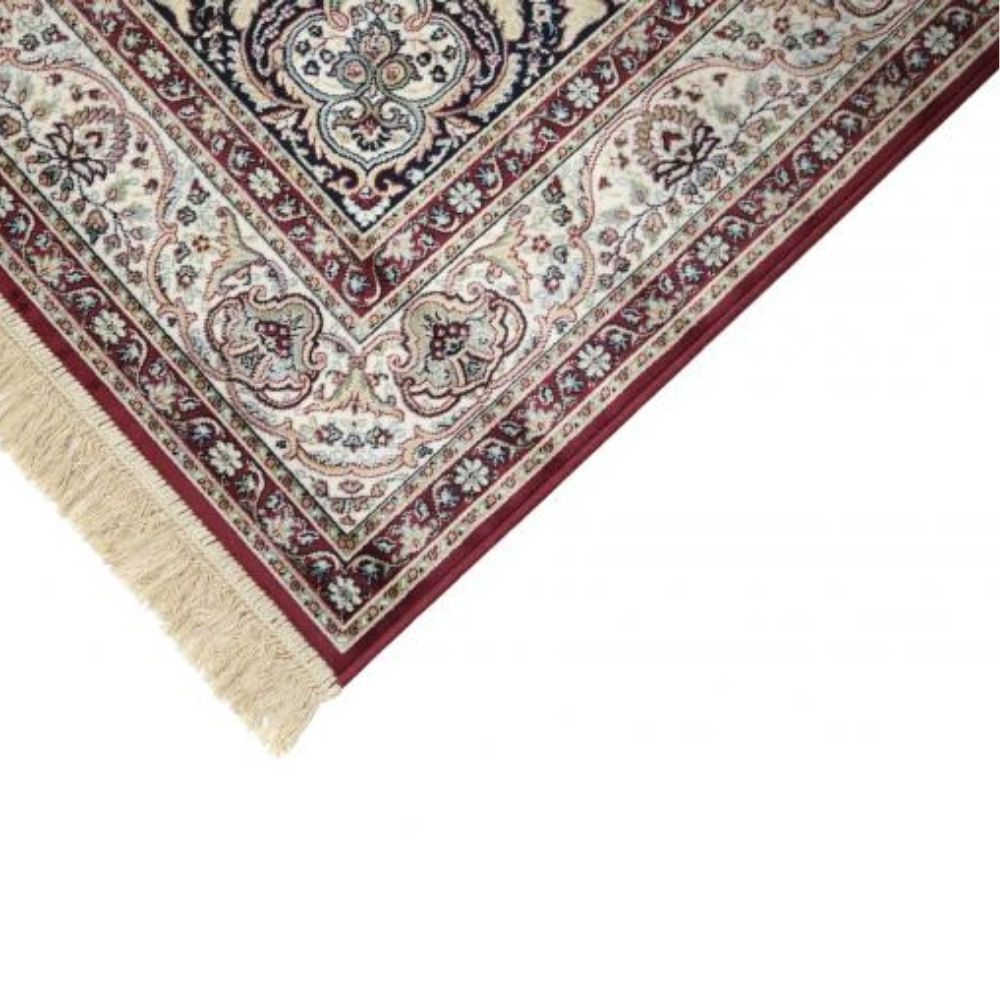
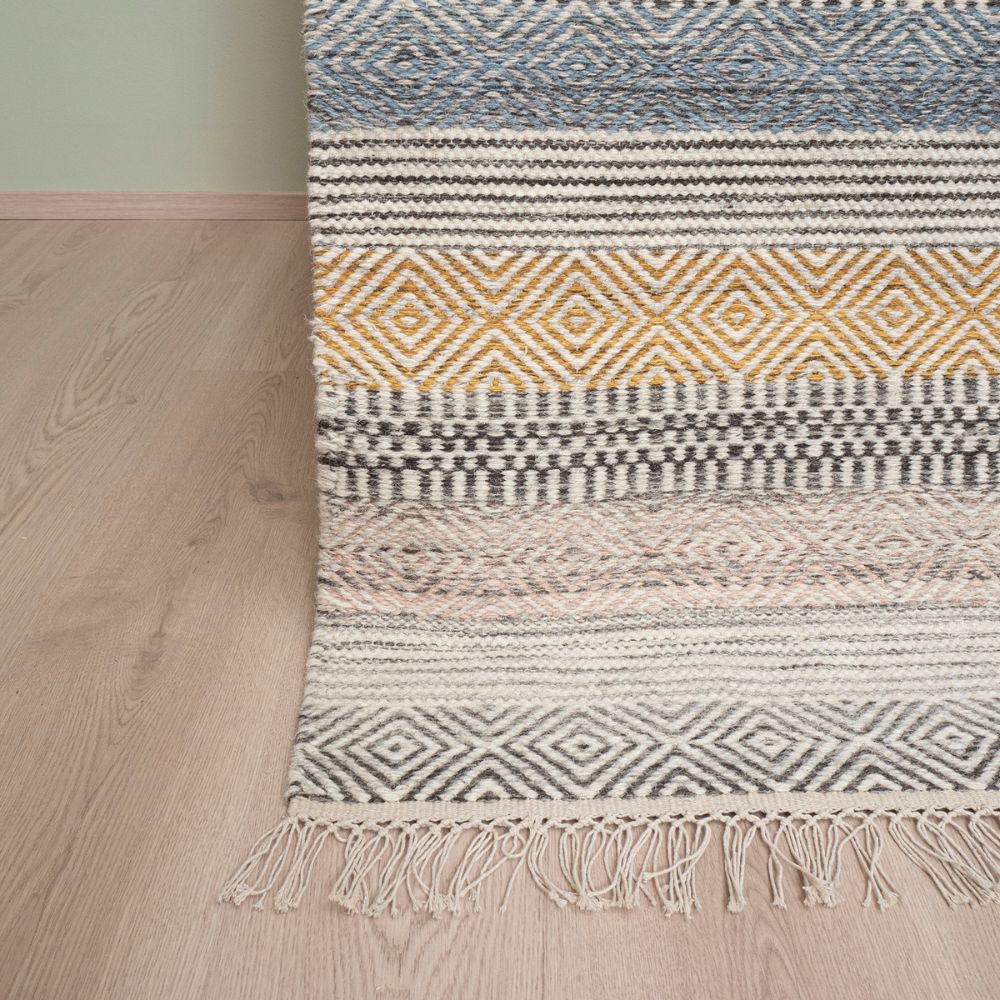
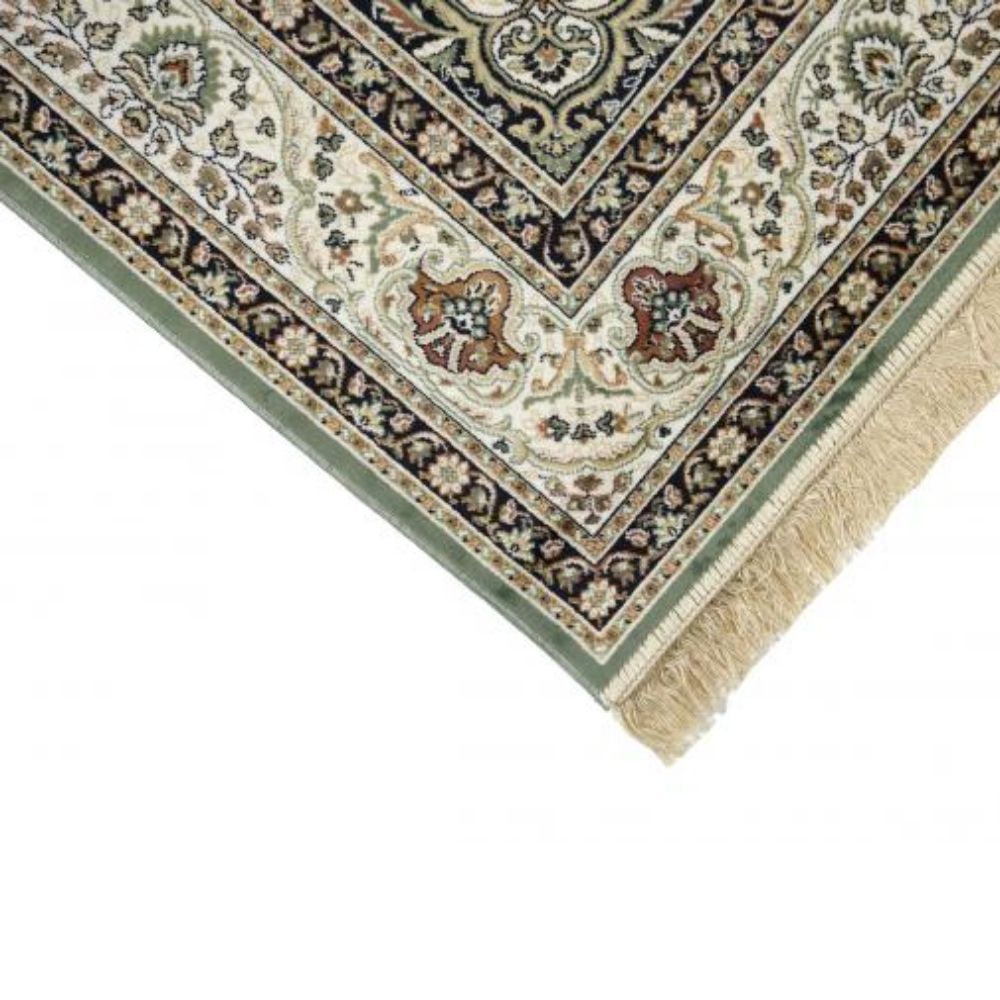
- long fringes
- loose threads or loops
- a lightweight rug that moves during cleaning
- a rug that bunches up in front of the vacuum
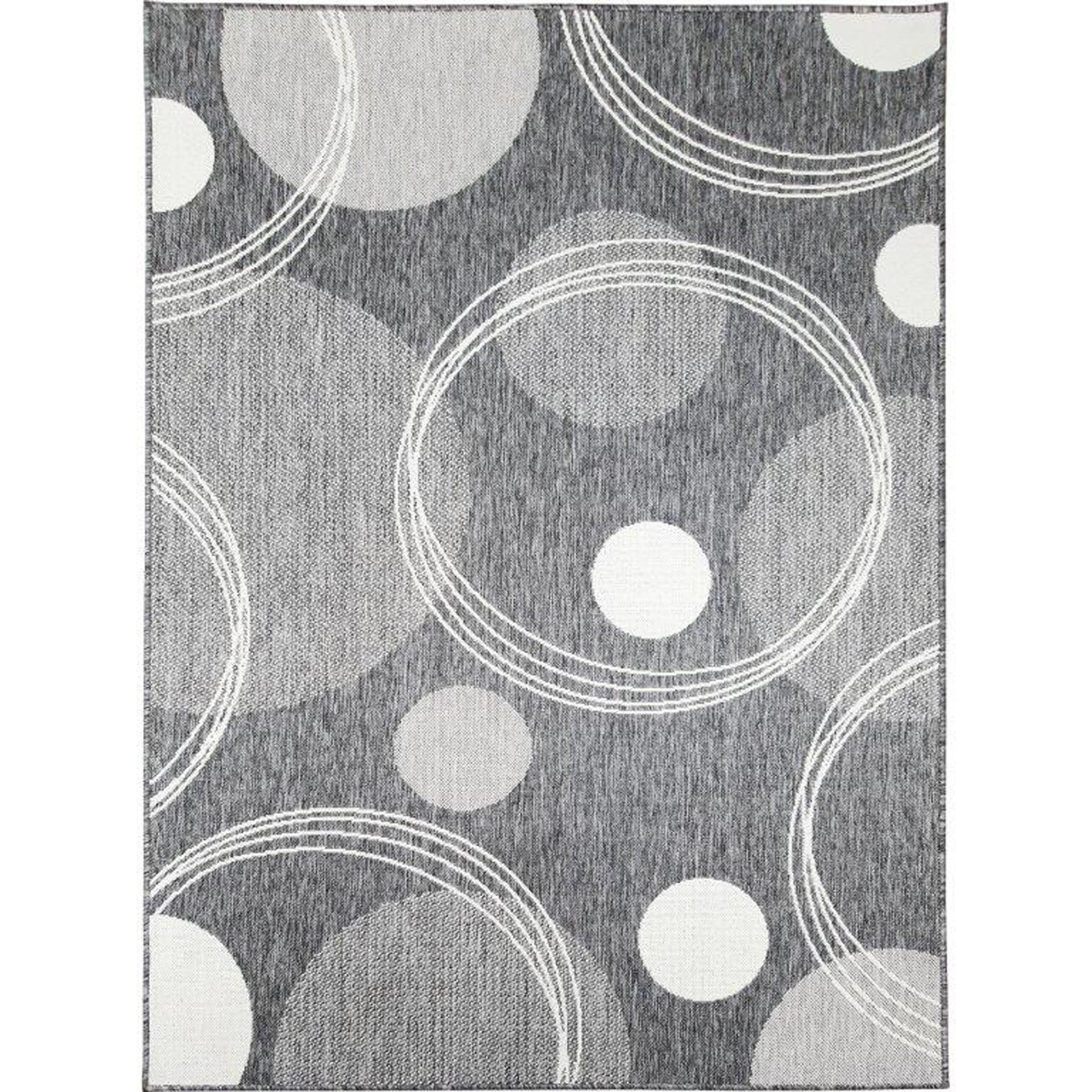
- a dark or strongly contrasting pattern that affects some sensors
A rug does not necessarily need to be completely flat or exceptionally thin. The important point is that the transition is manageable for the device and that the surface remains sufficiently stable under its wheels.
The specifications of the robot vacuum should always be checked alongside the rug. A rug that works smoothly with one device may be more difficult for another model.
The Surface and Pile Height Make a Major Difference
The rug’s surface affects both movement and cleaning performance. A robot vacuum usually travels most easily over a surface that is even, firm and not excessively soft.
Low-pile rugs
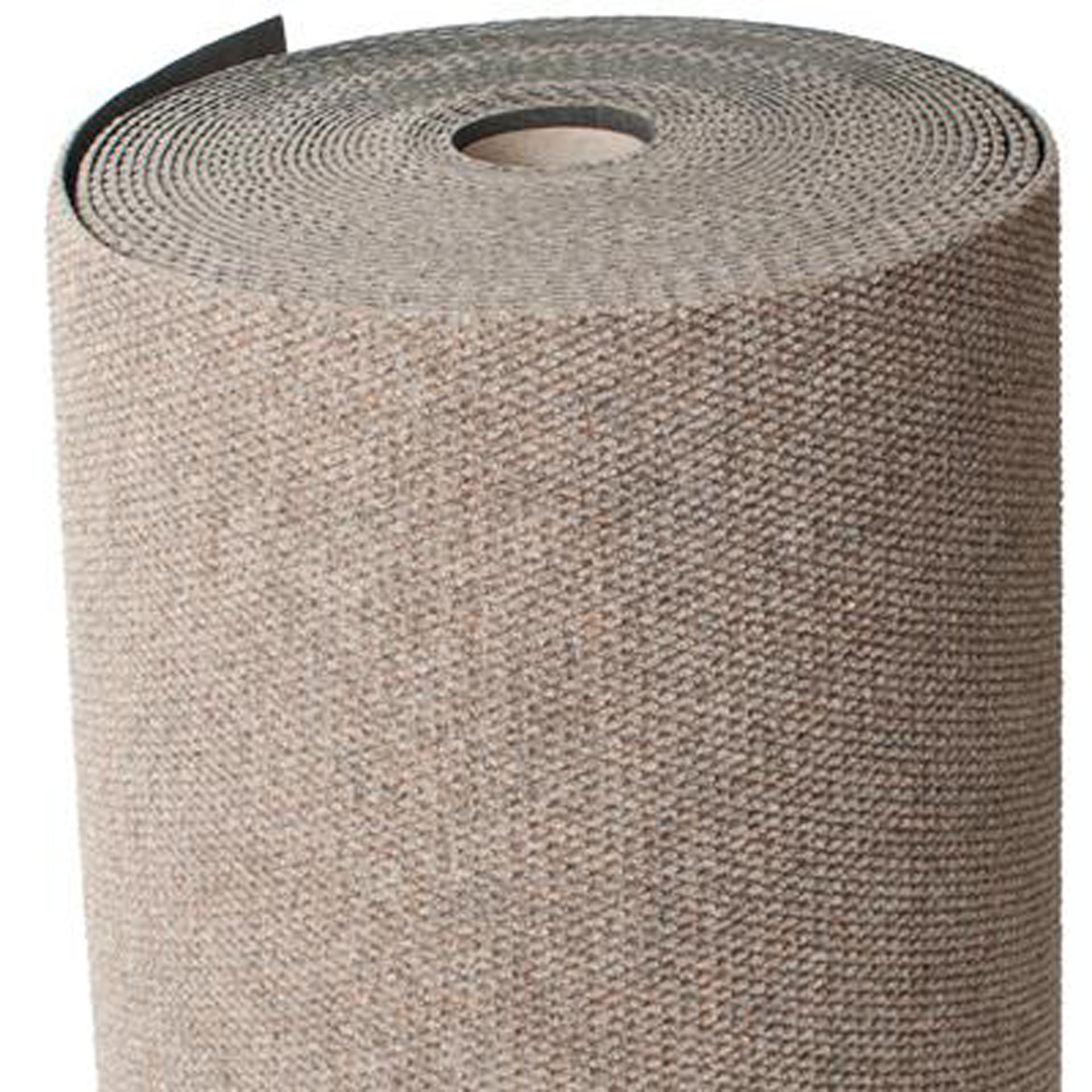
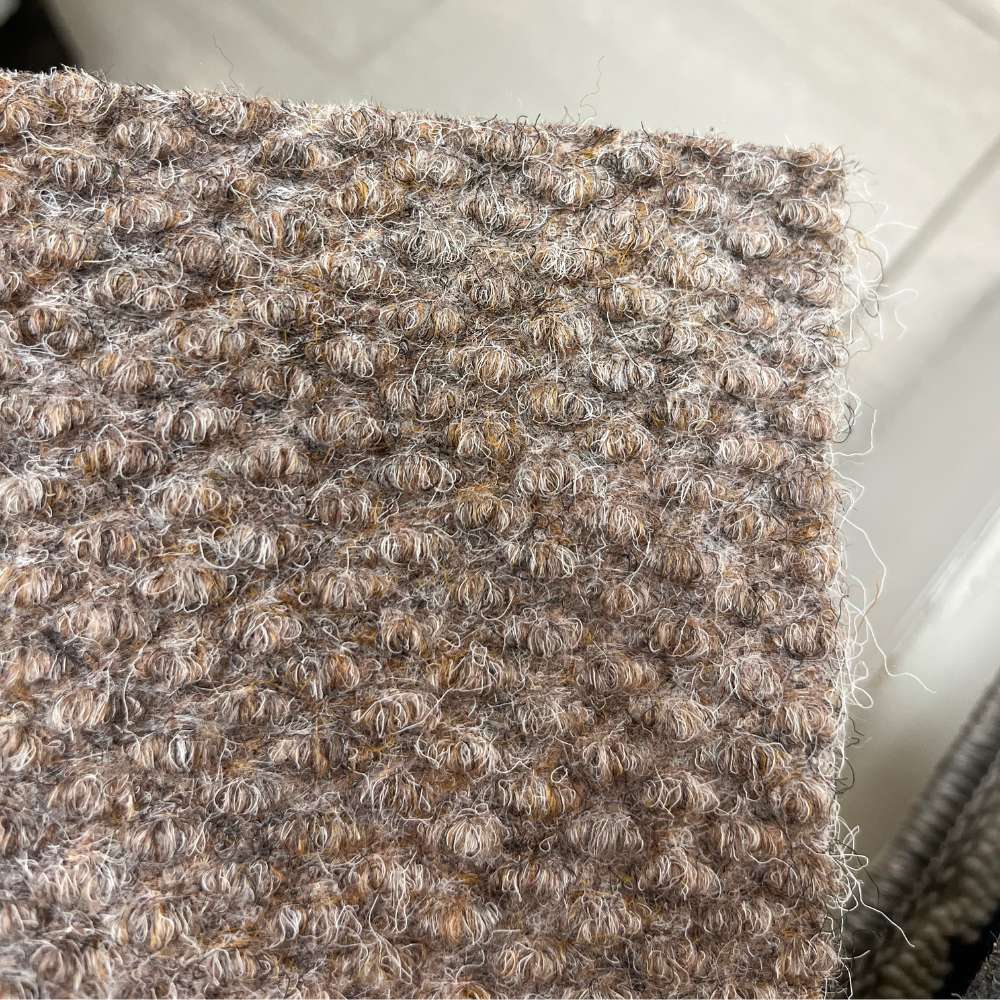
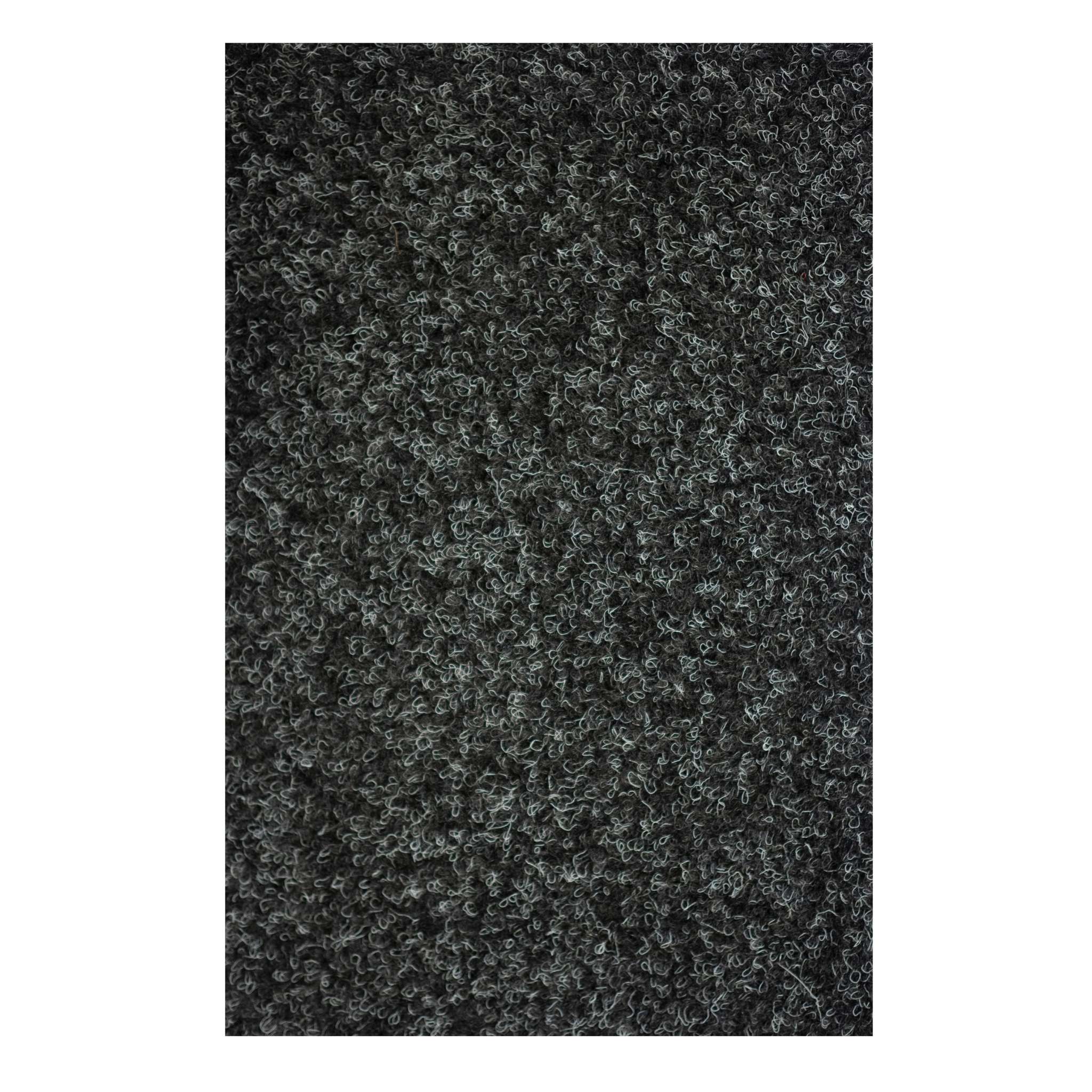
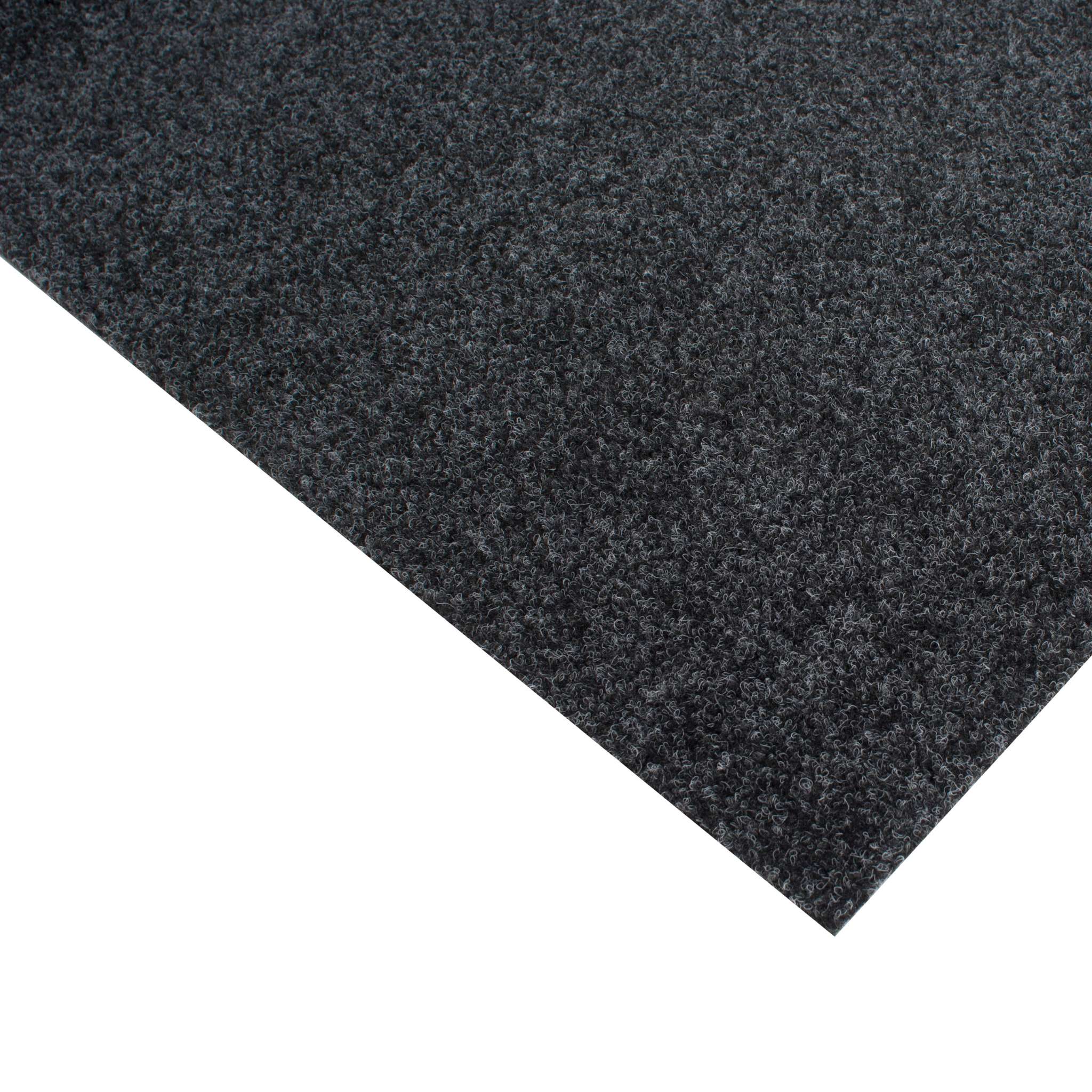
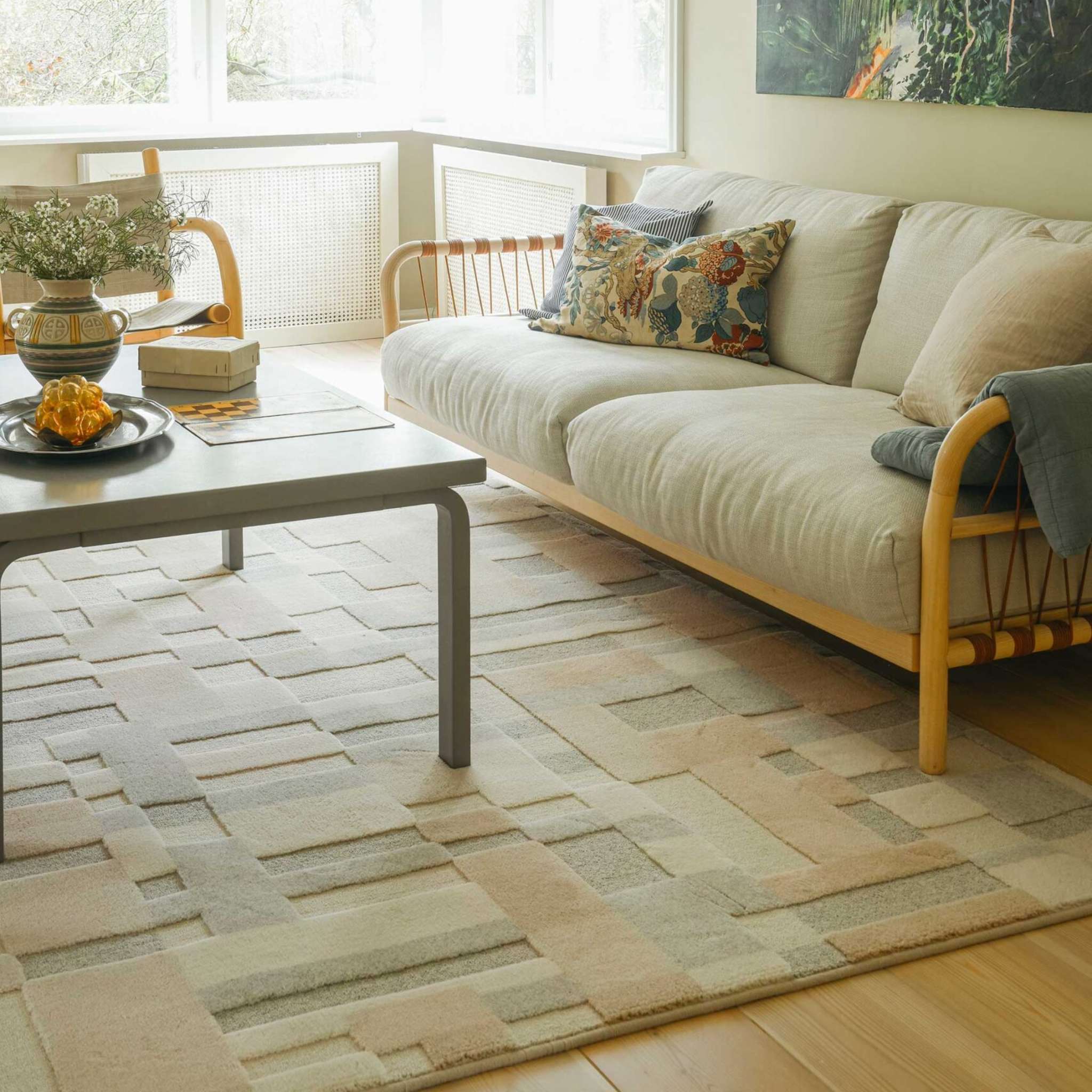
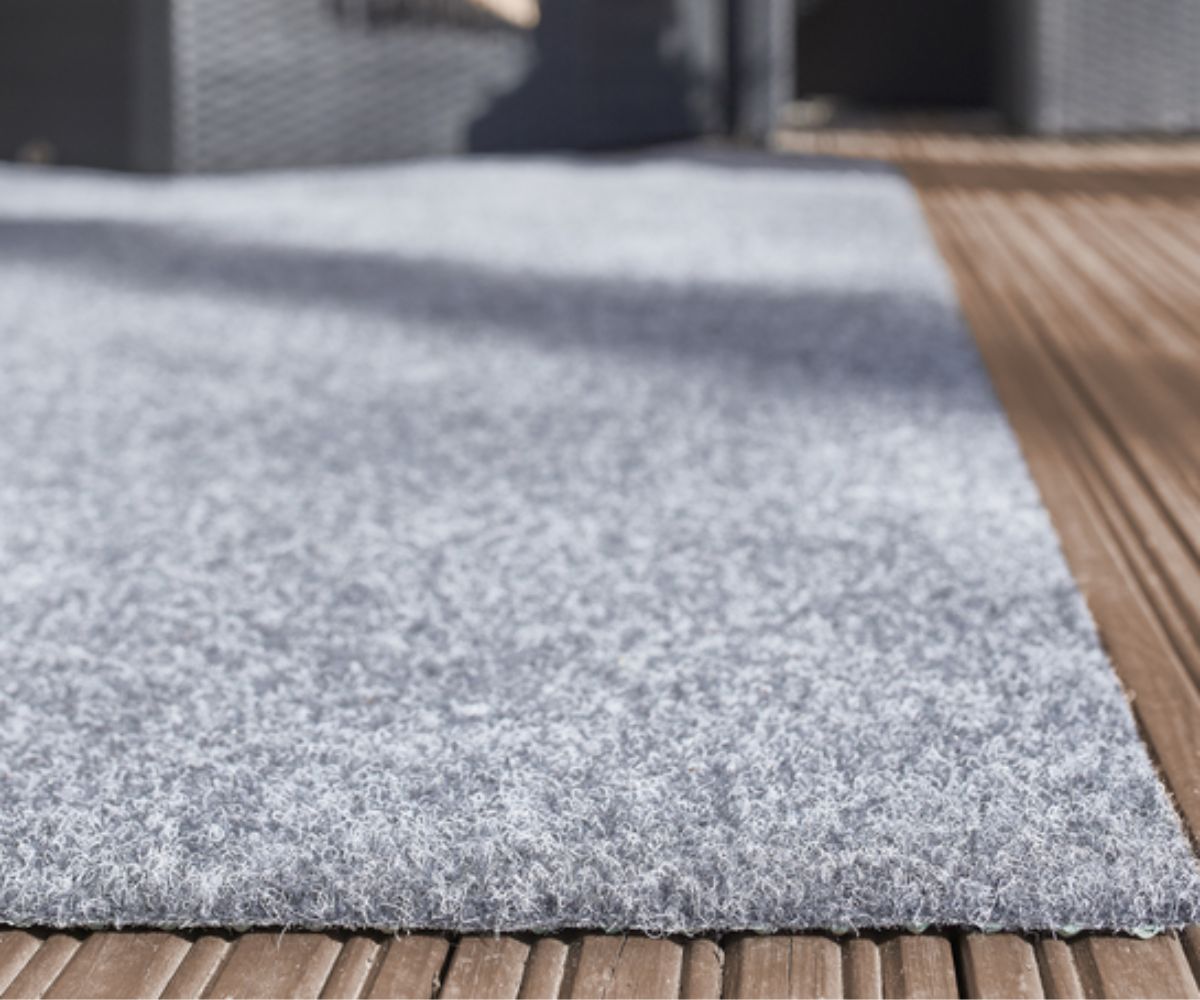
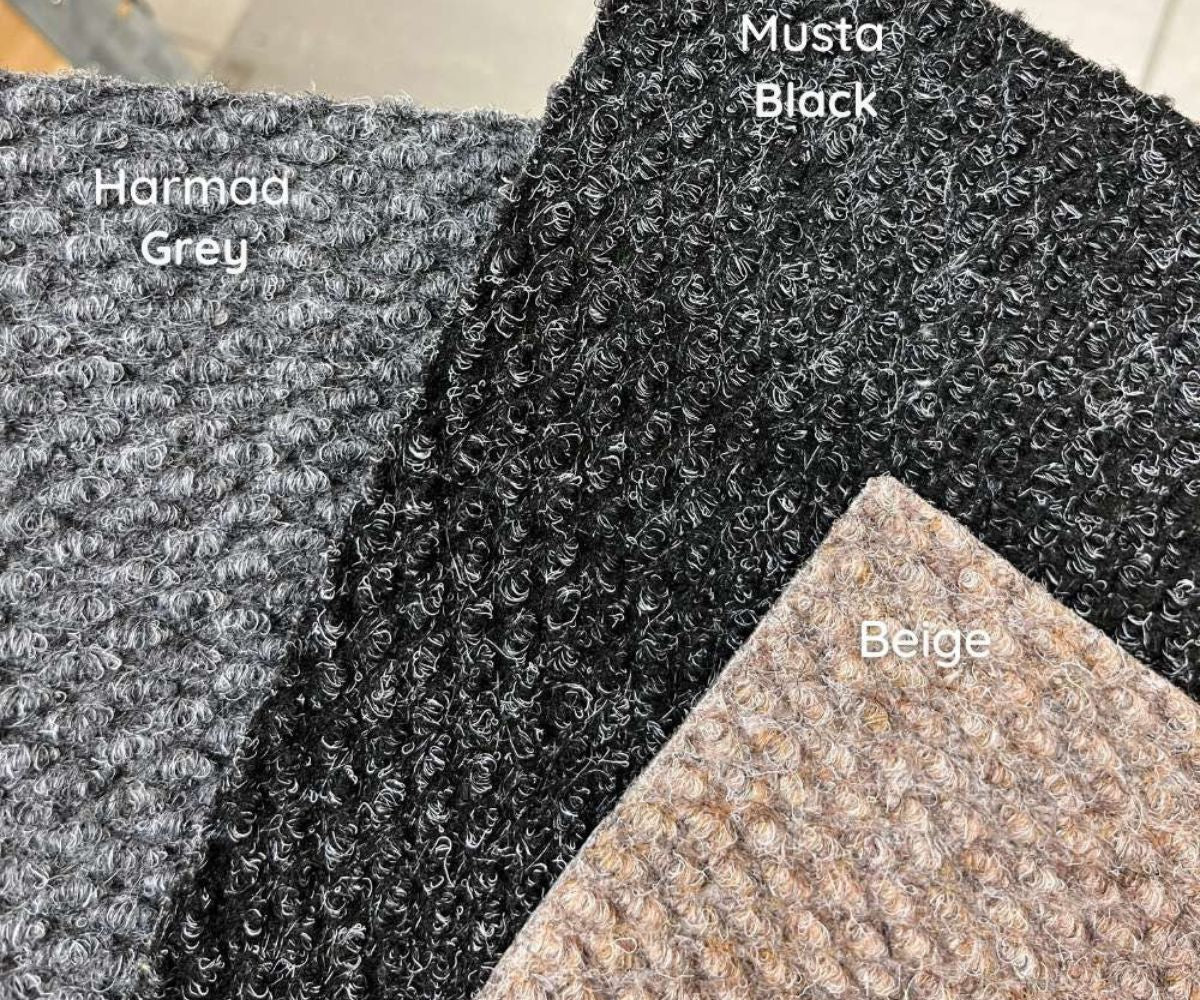
A low-pile rug is often a practical starting point. Its fibres do not rise far above the base, which helps reduce resistance around the wheels and rotating brushes.
Low pile does not automatically mean that every rug will work with every robot vacuum. The density of the pile, the construction of the edges and the total thickness still need to be considered. However, a short and even pile is generally easier for a robot vacuum to navigate than a very deep pile.
When comparing low-pile rugs, pay attention to the full profile of the rug instead of looking only at the visible fibres.
Flatwoven rugs
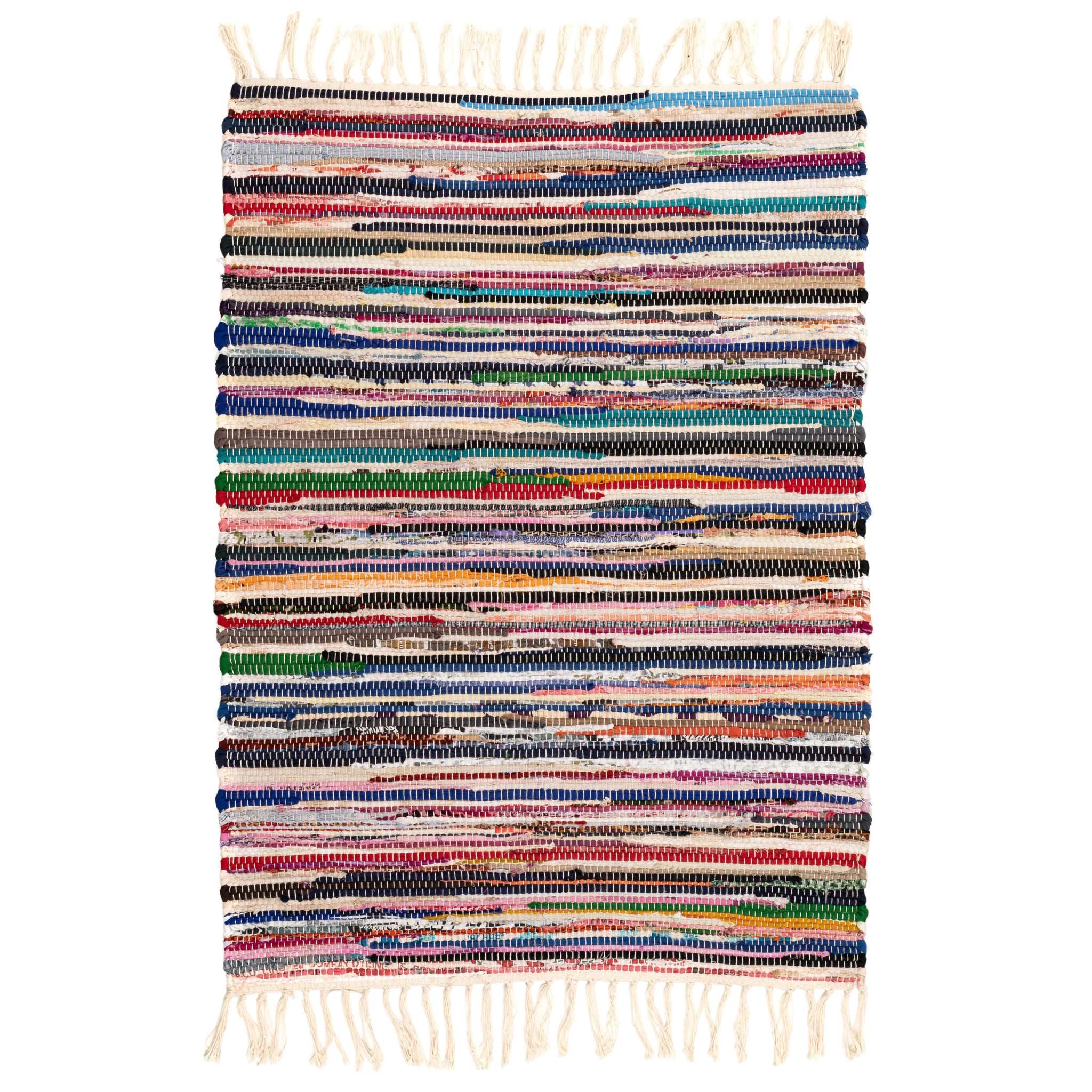
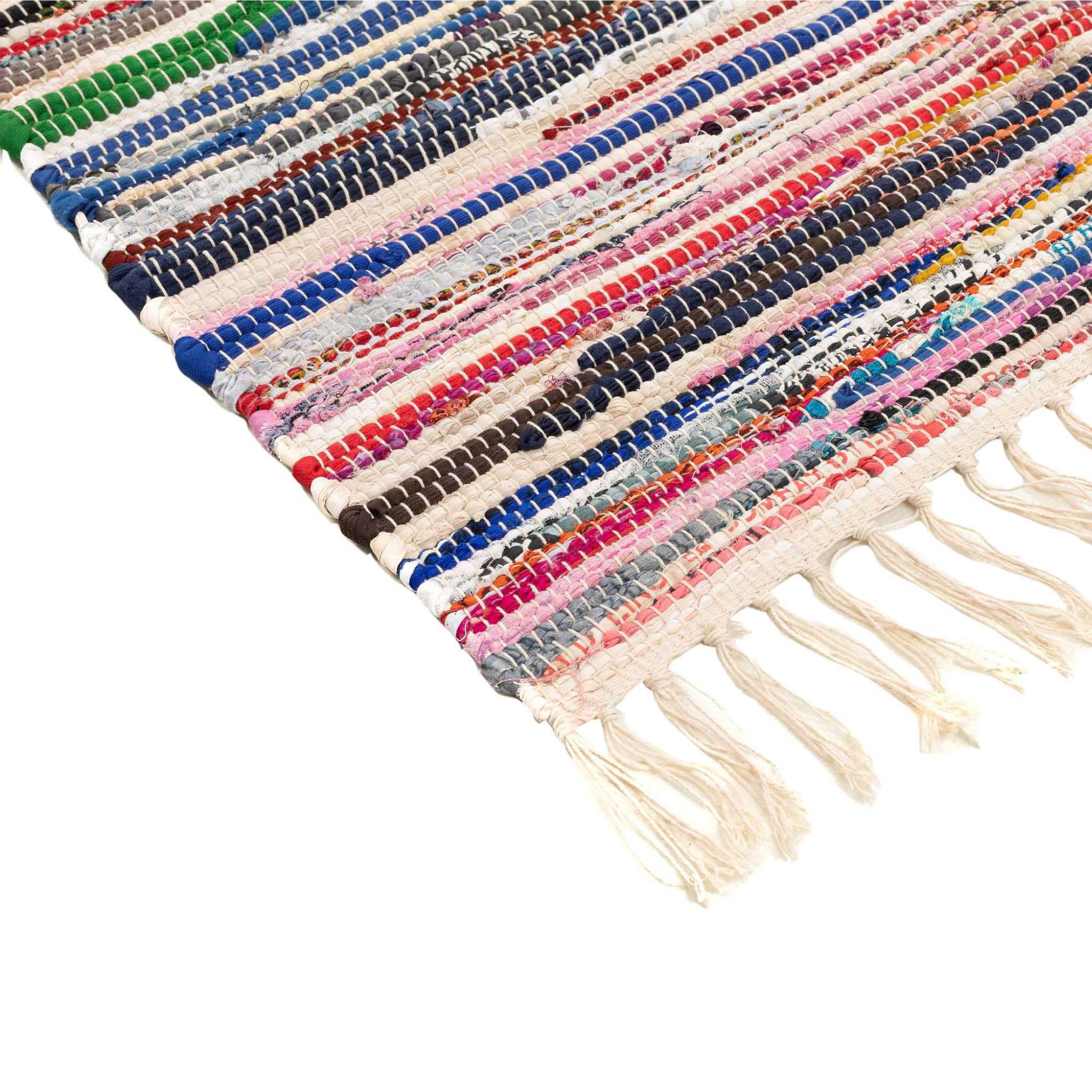
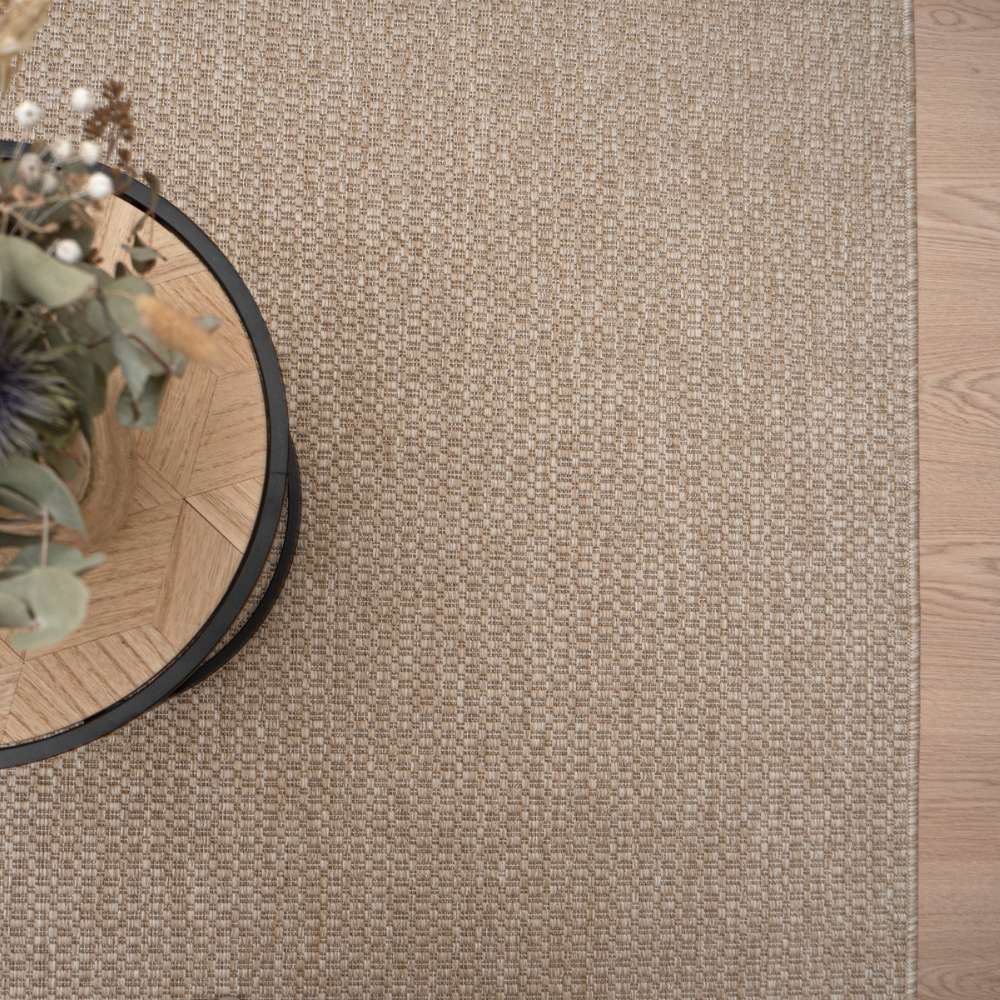
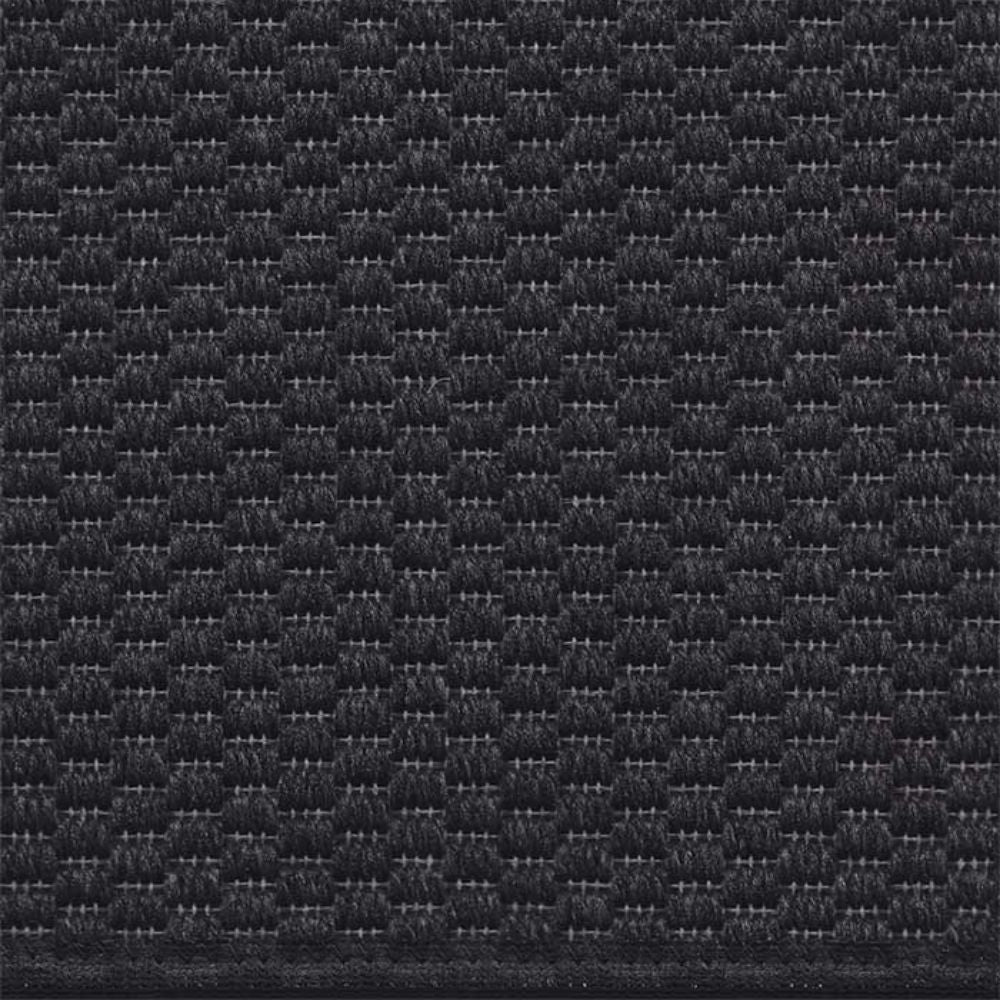
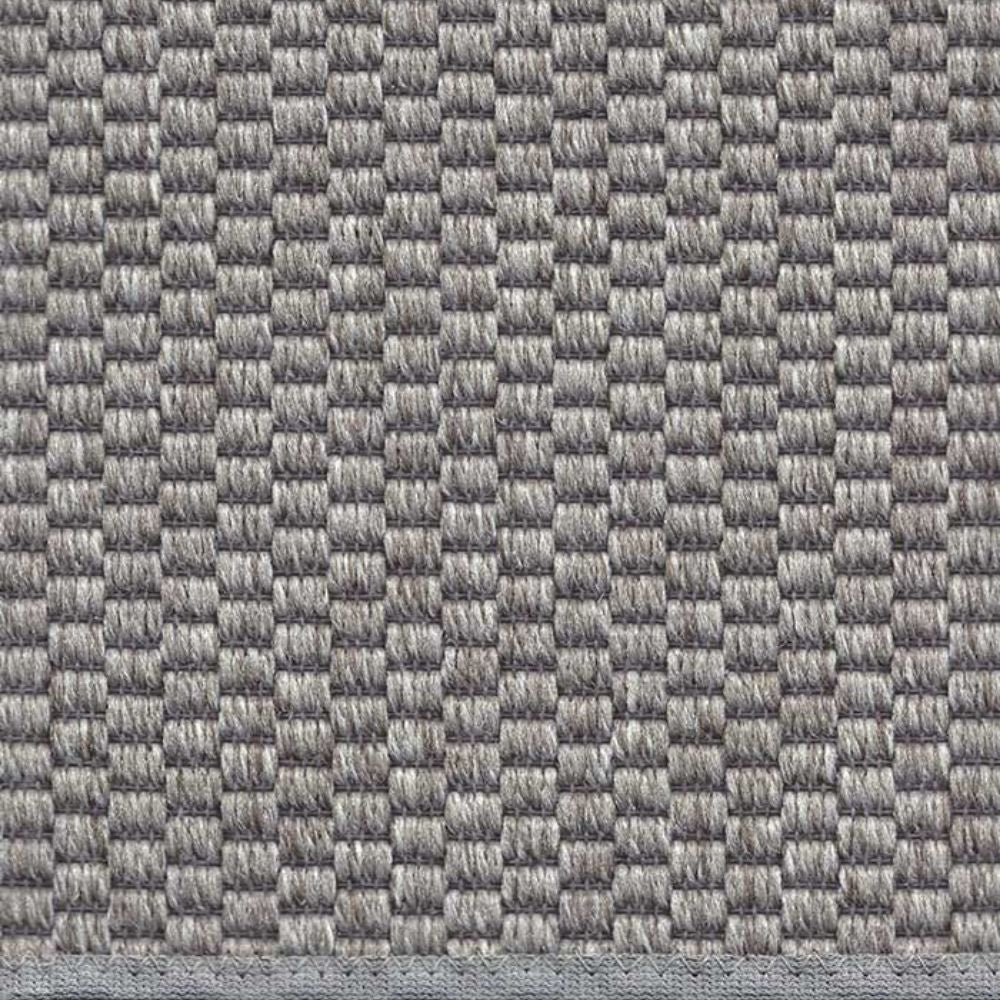
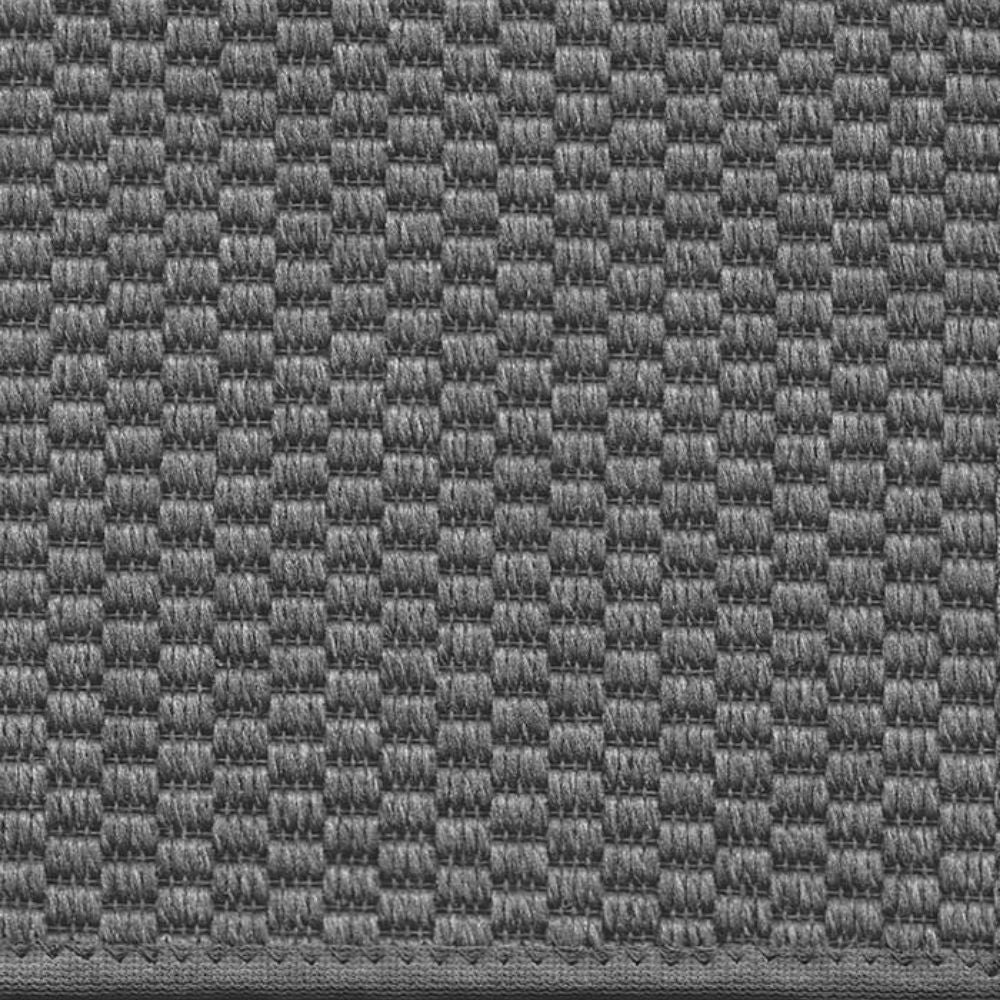
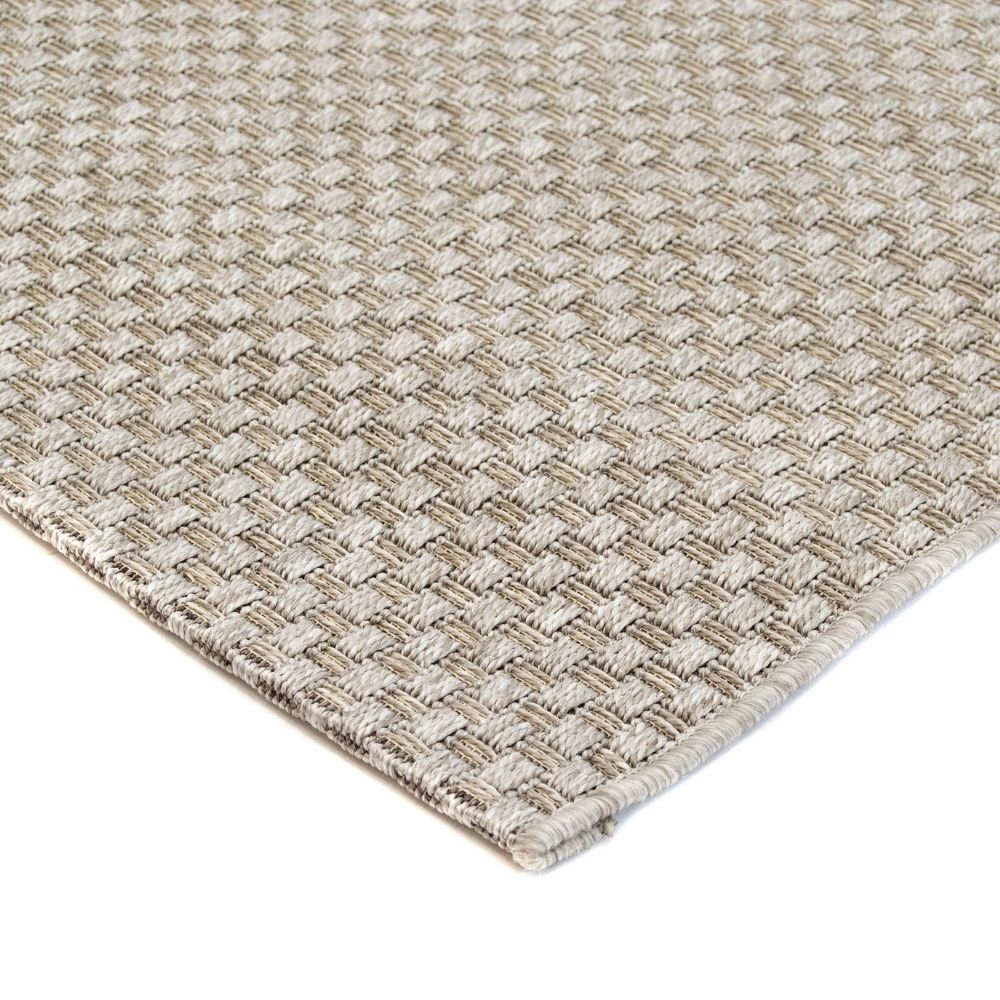
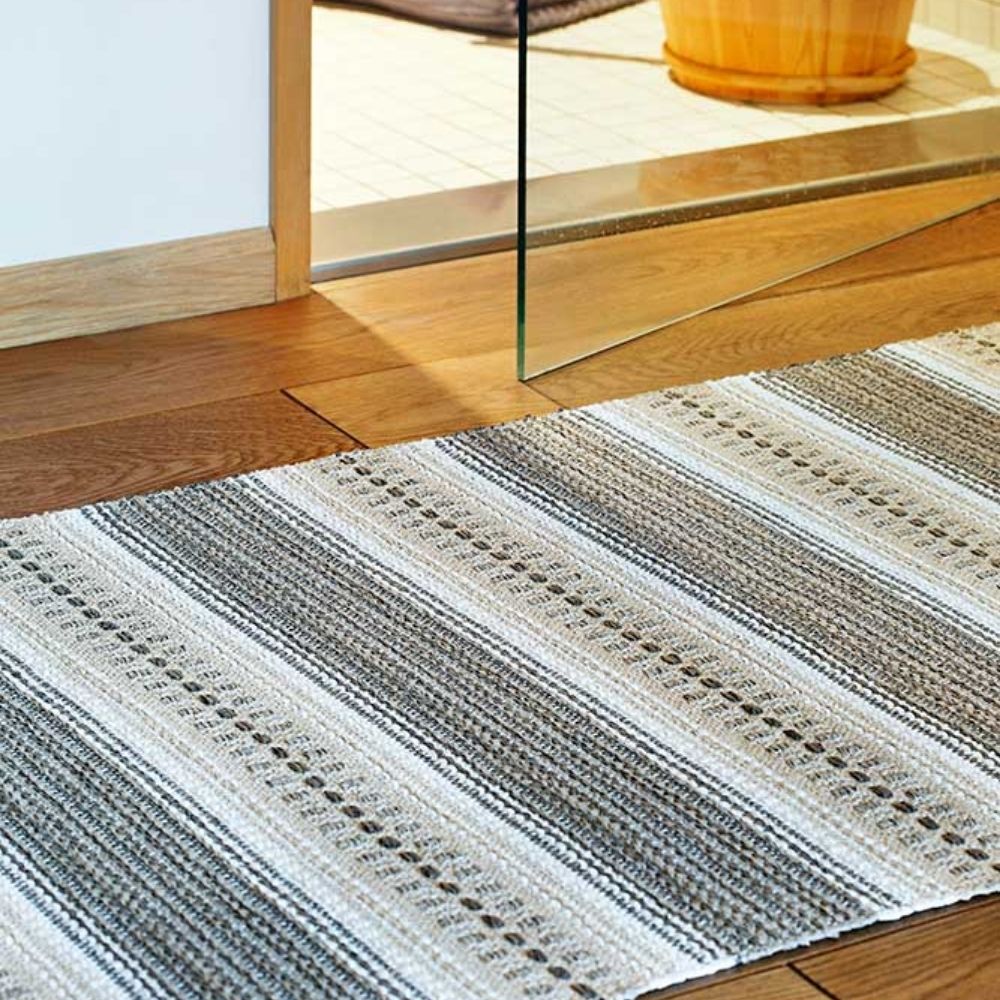
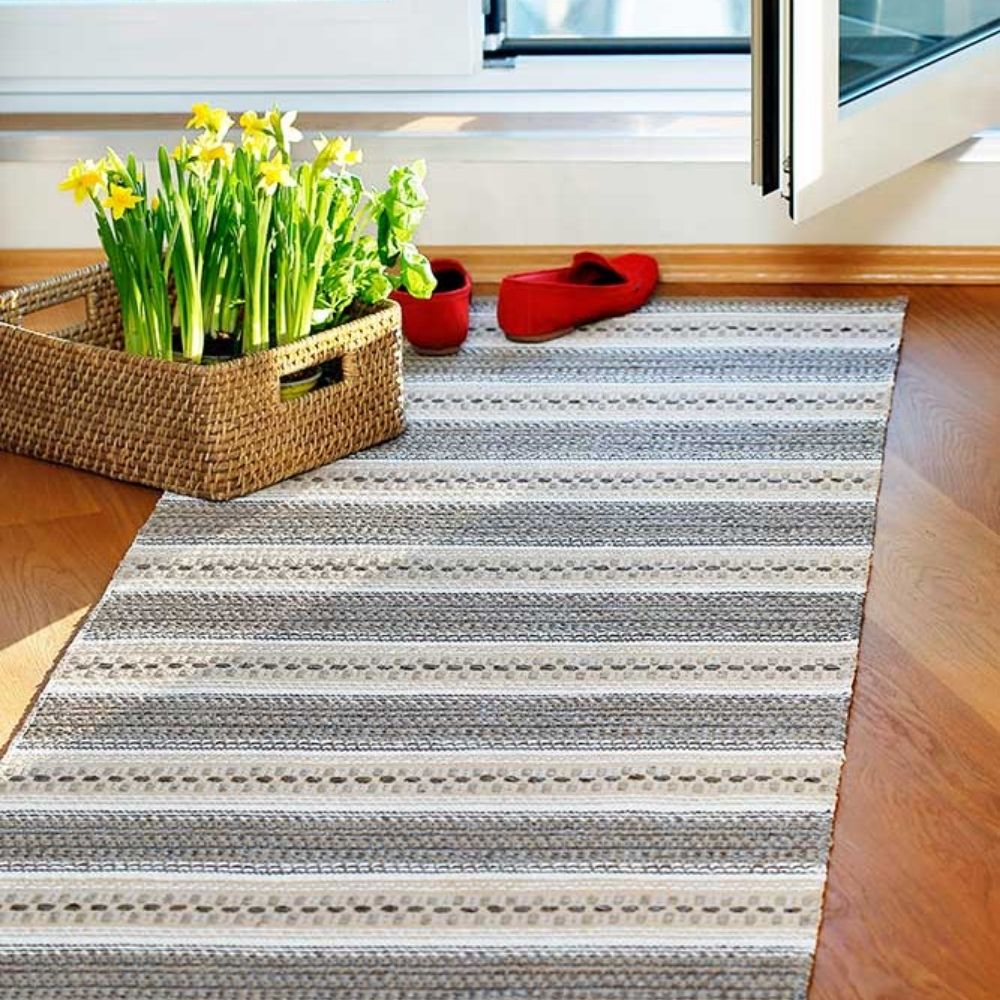
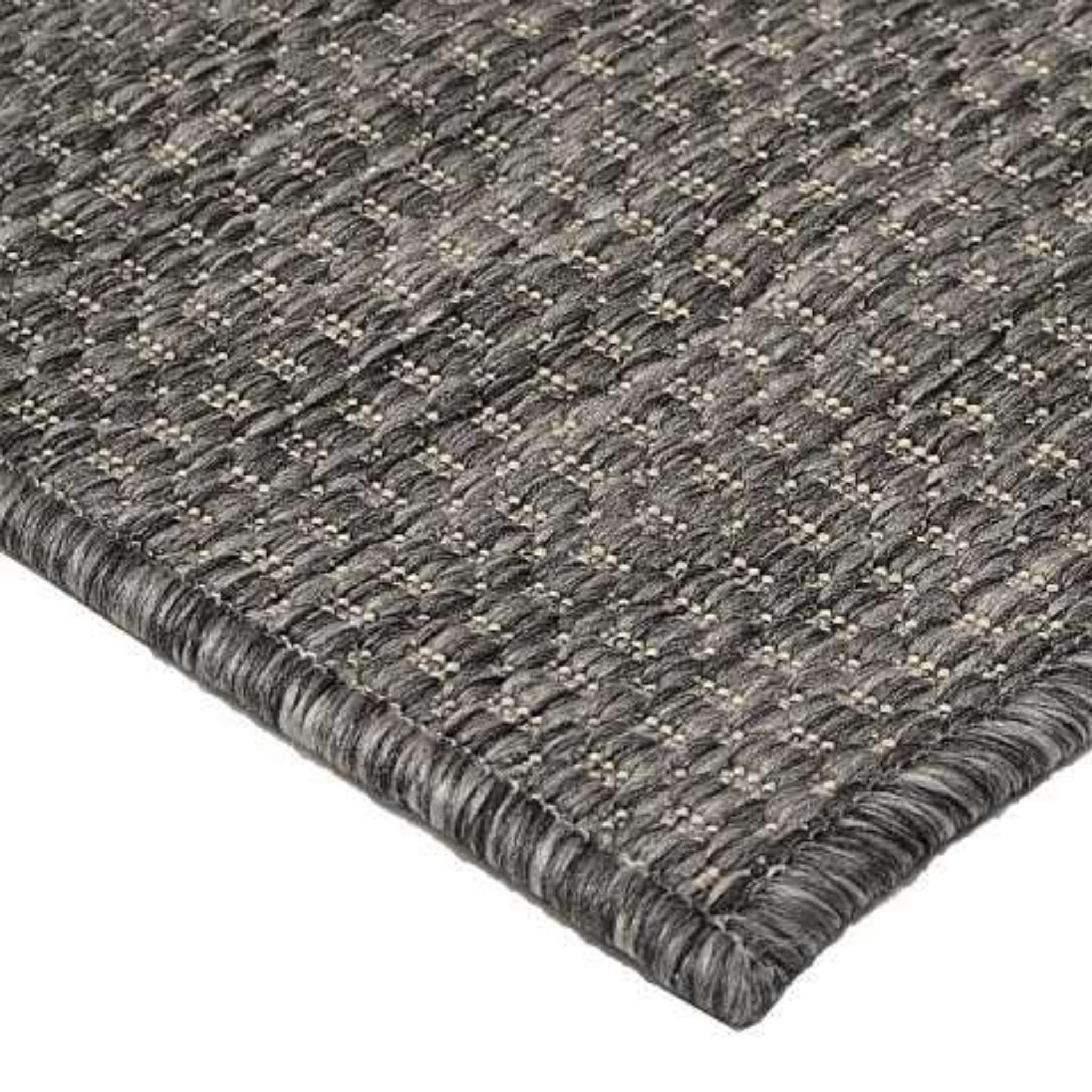
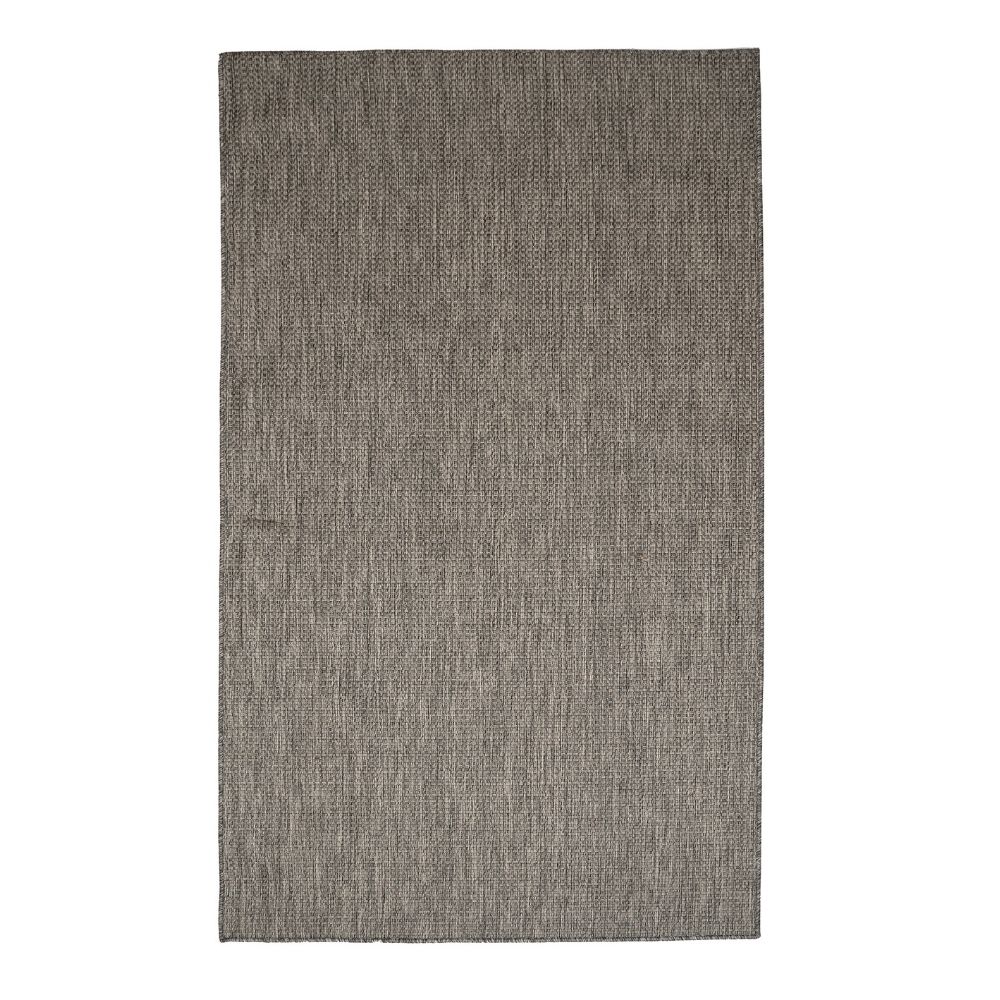
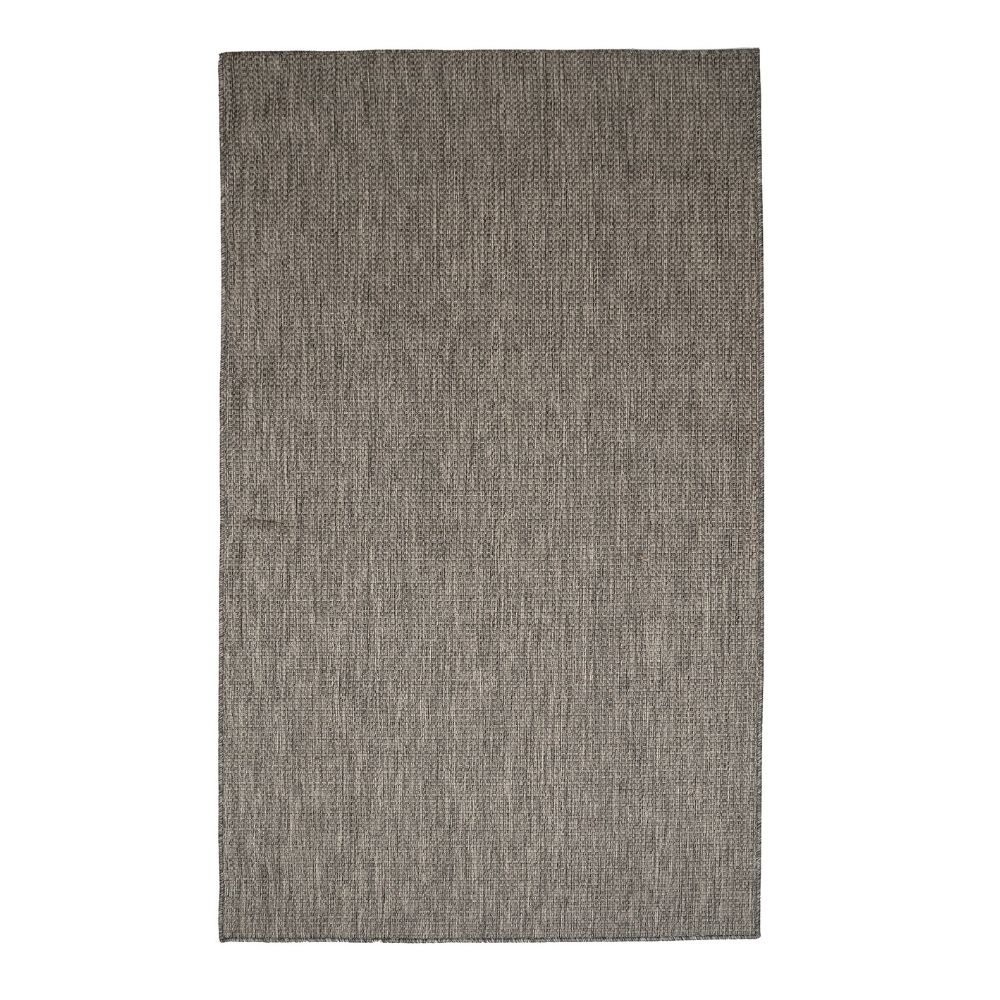
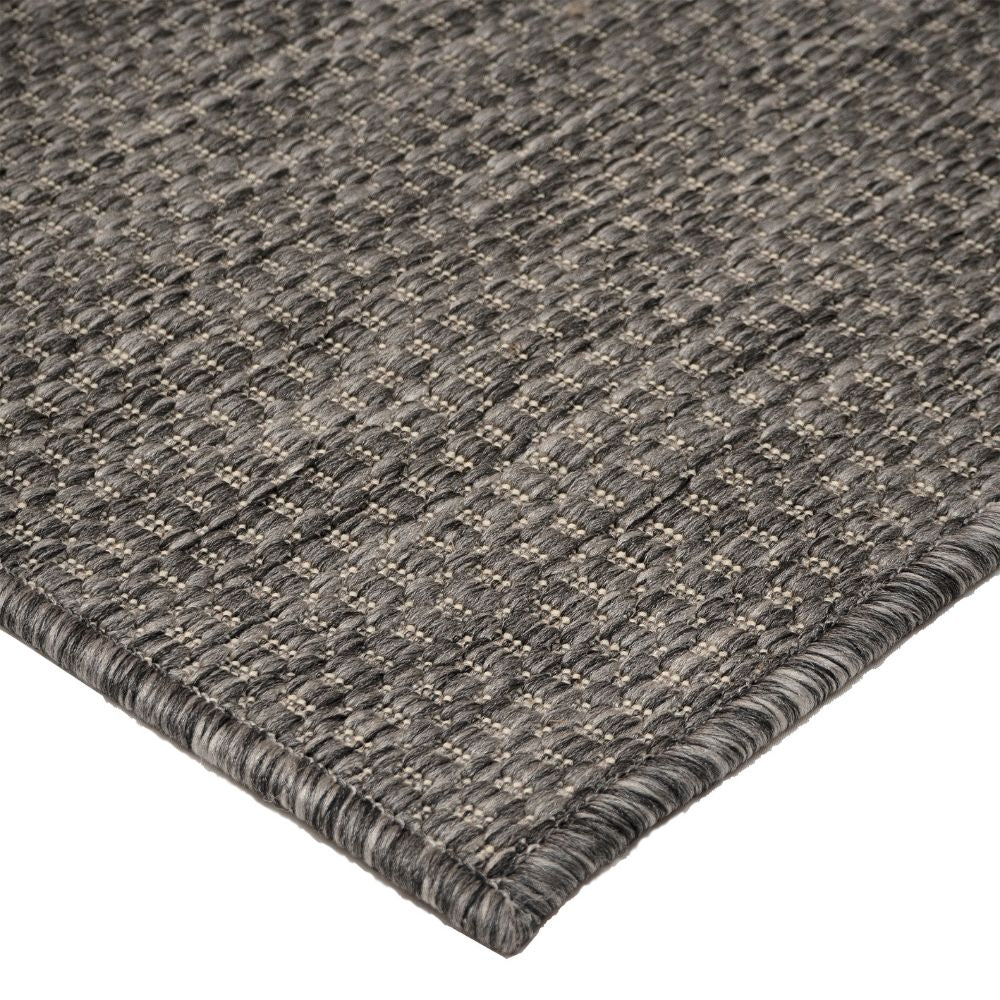
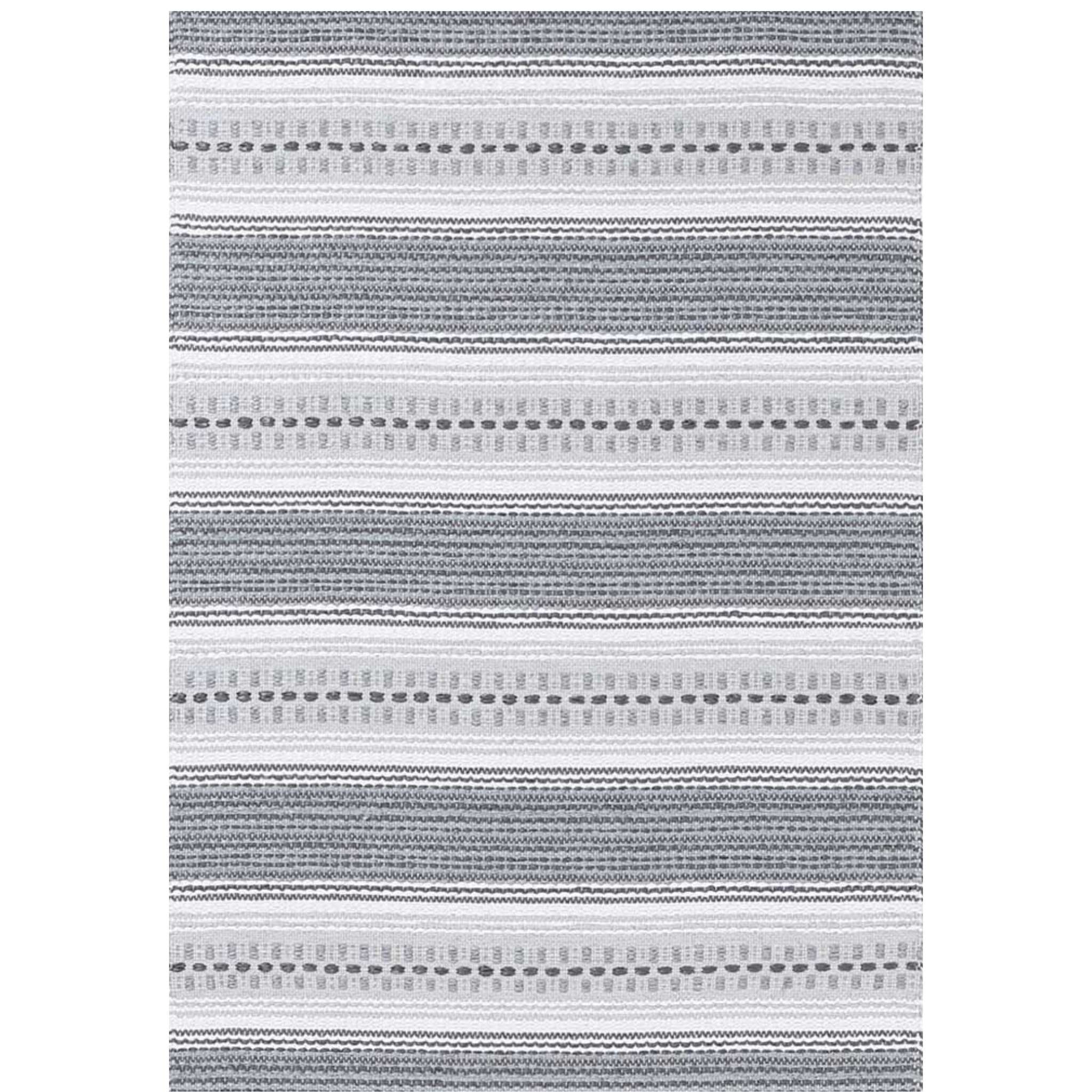
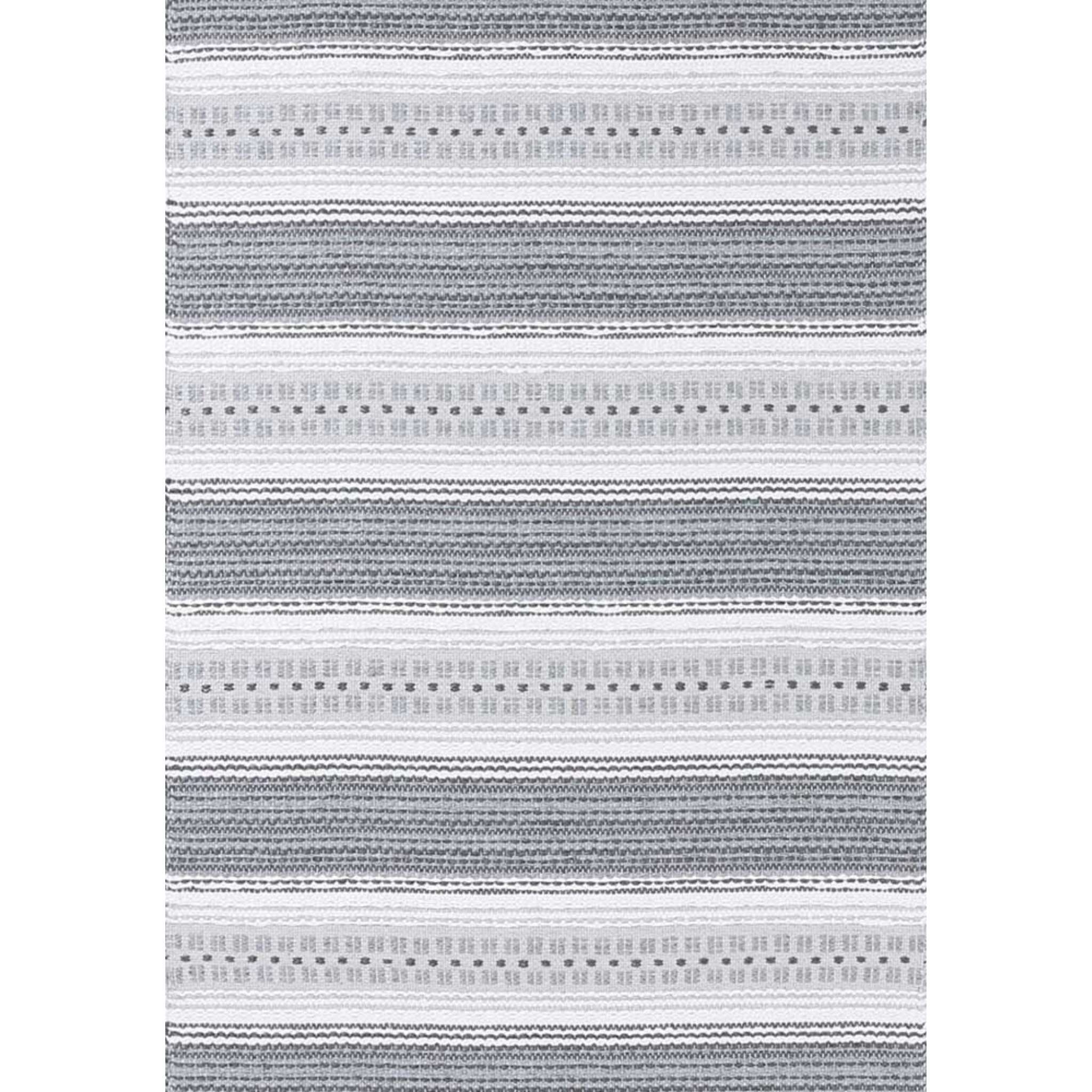
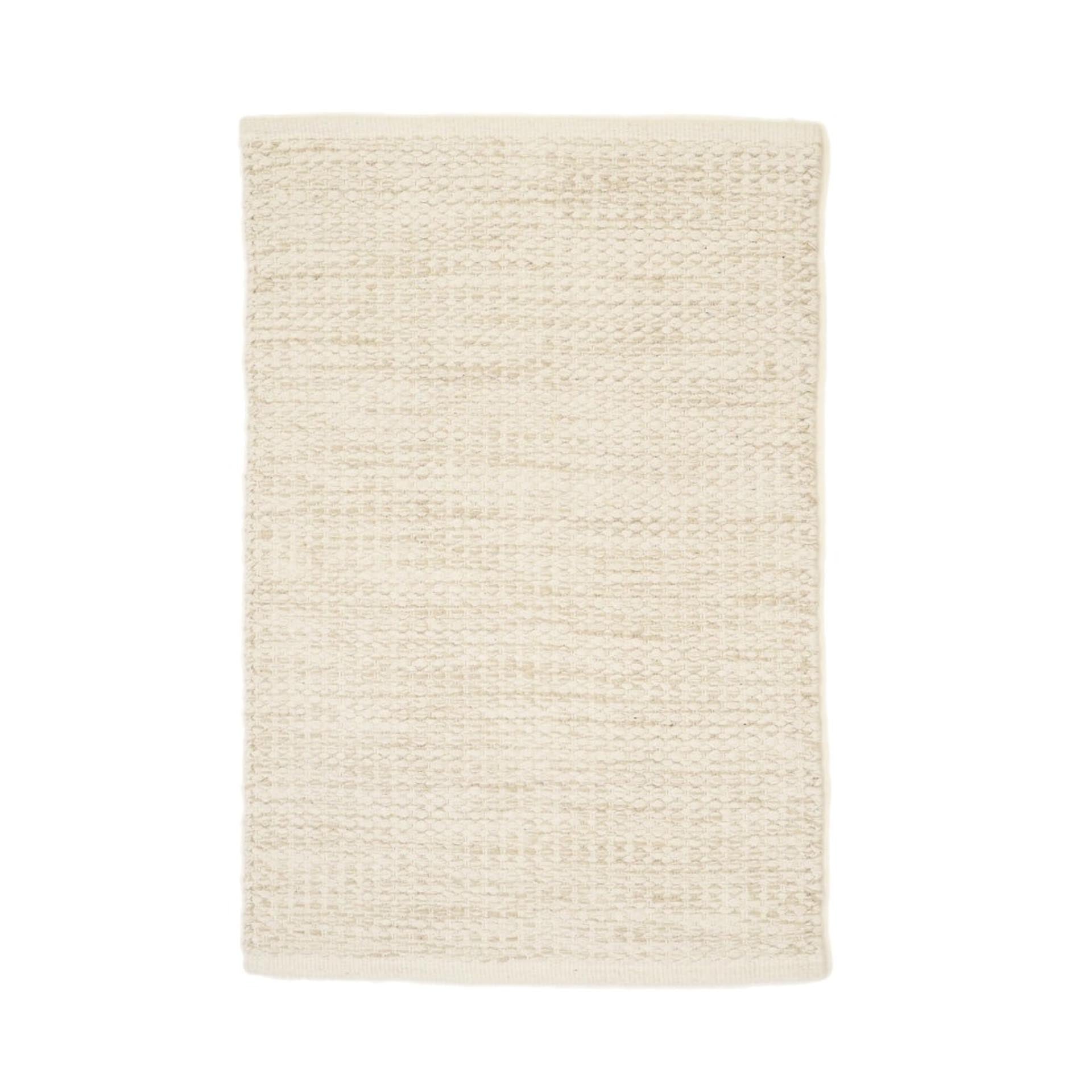
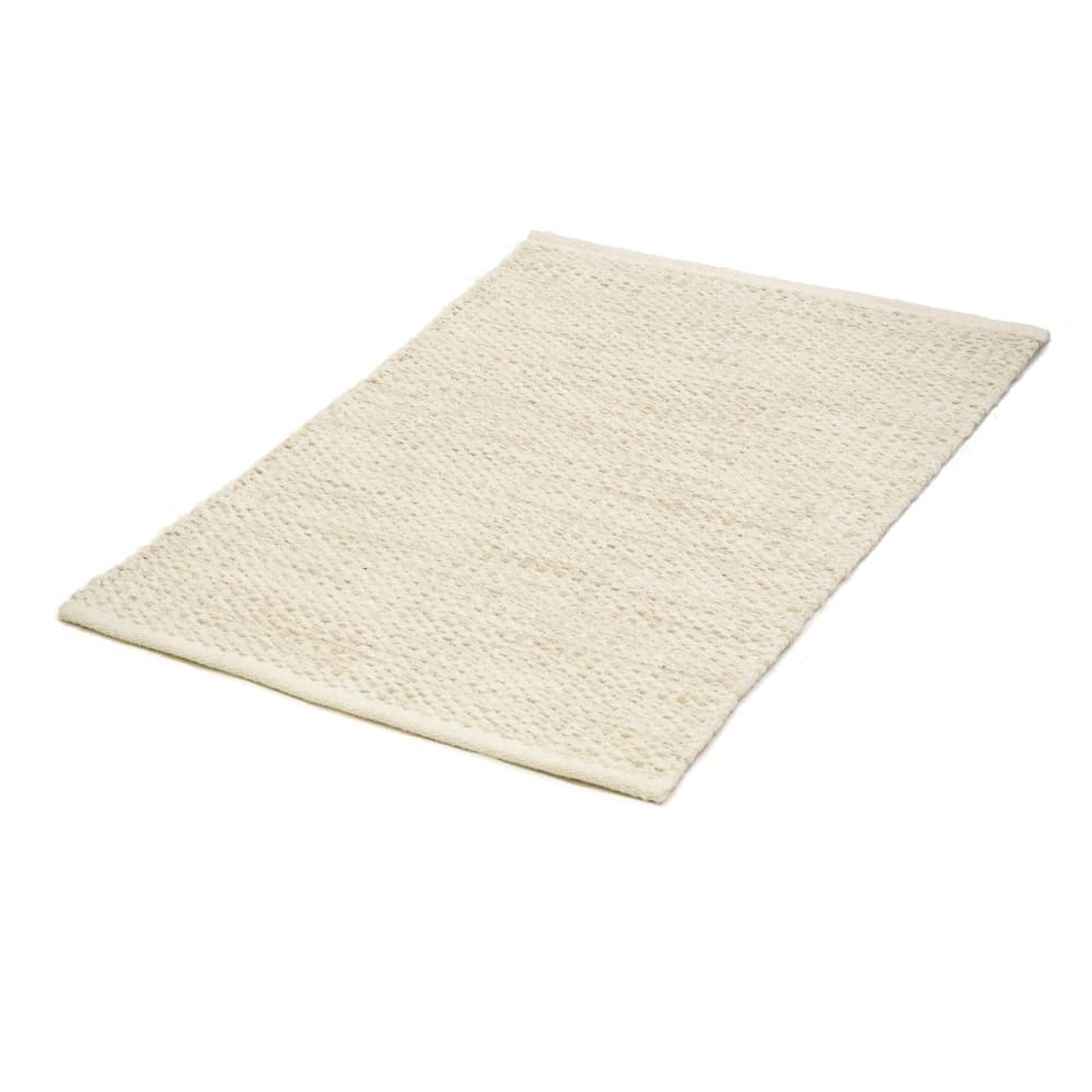
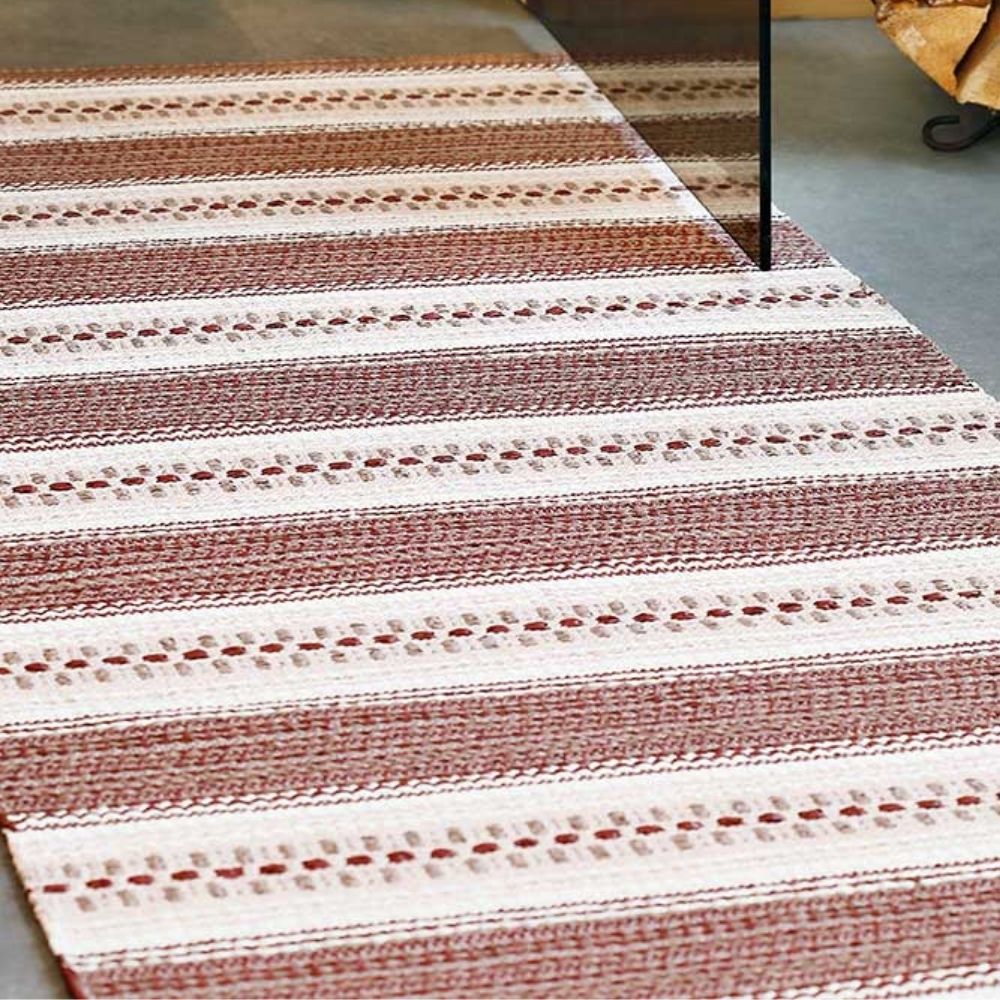
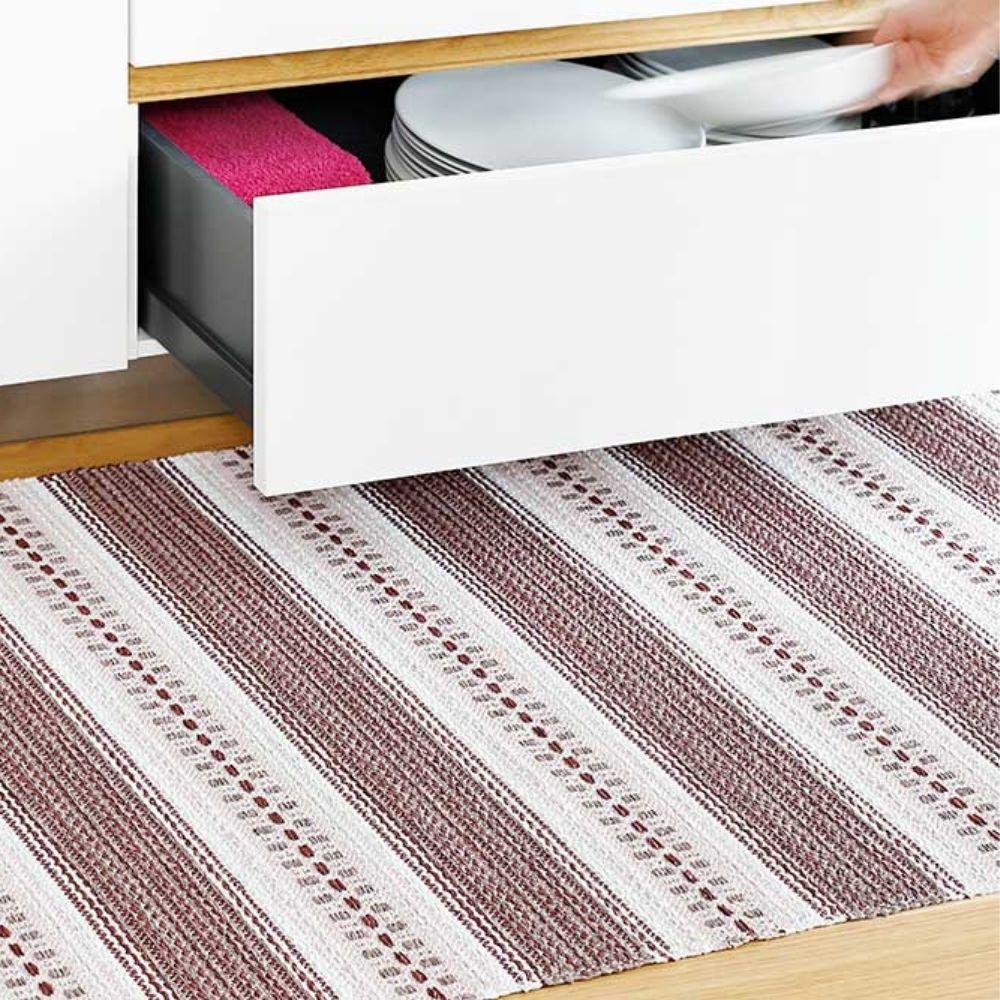
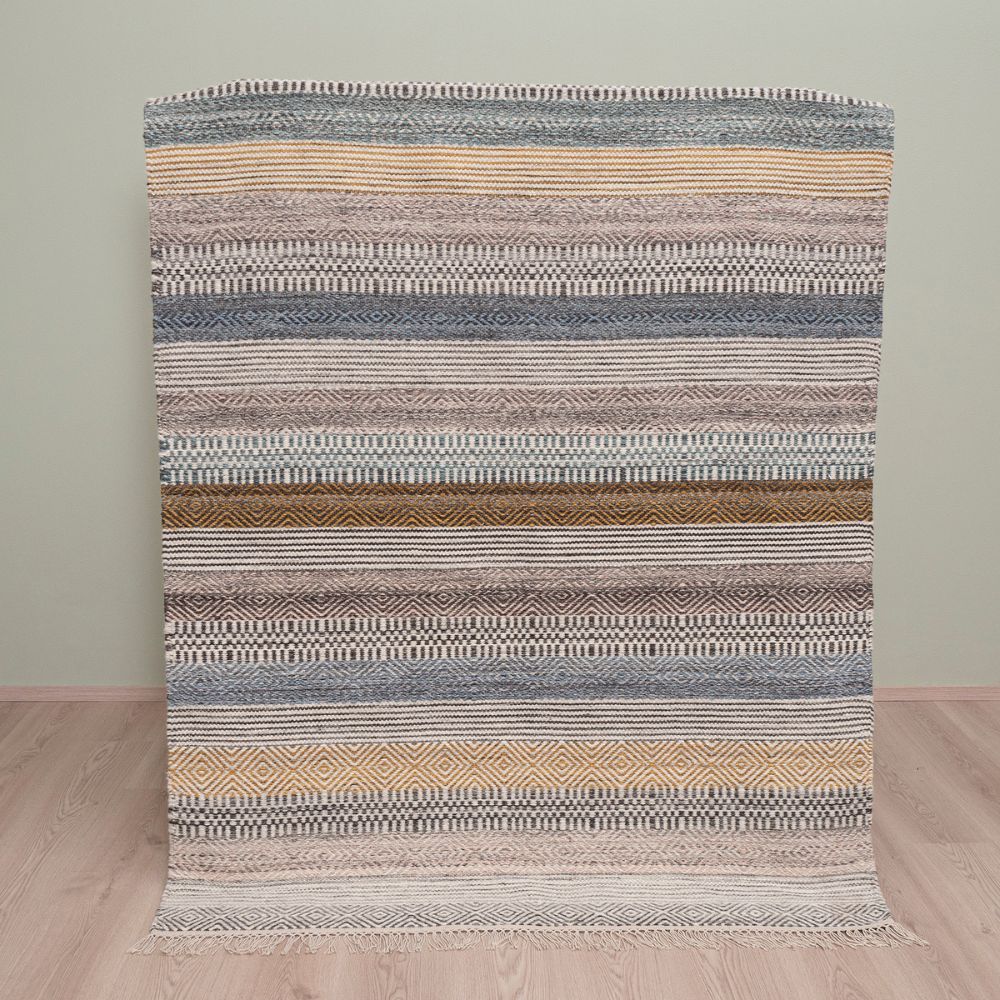
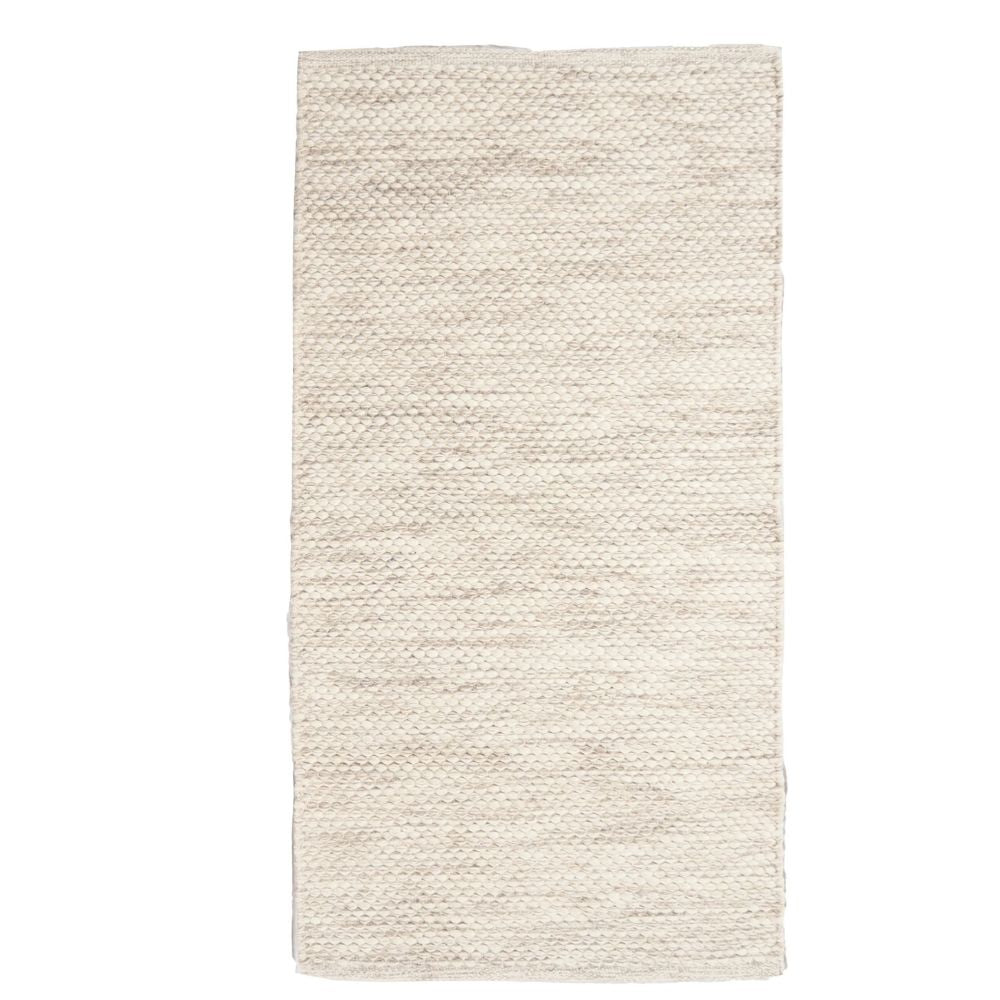
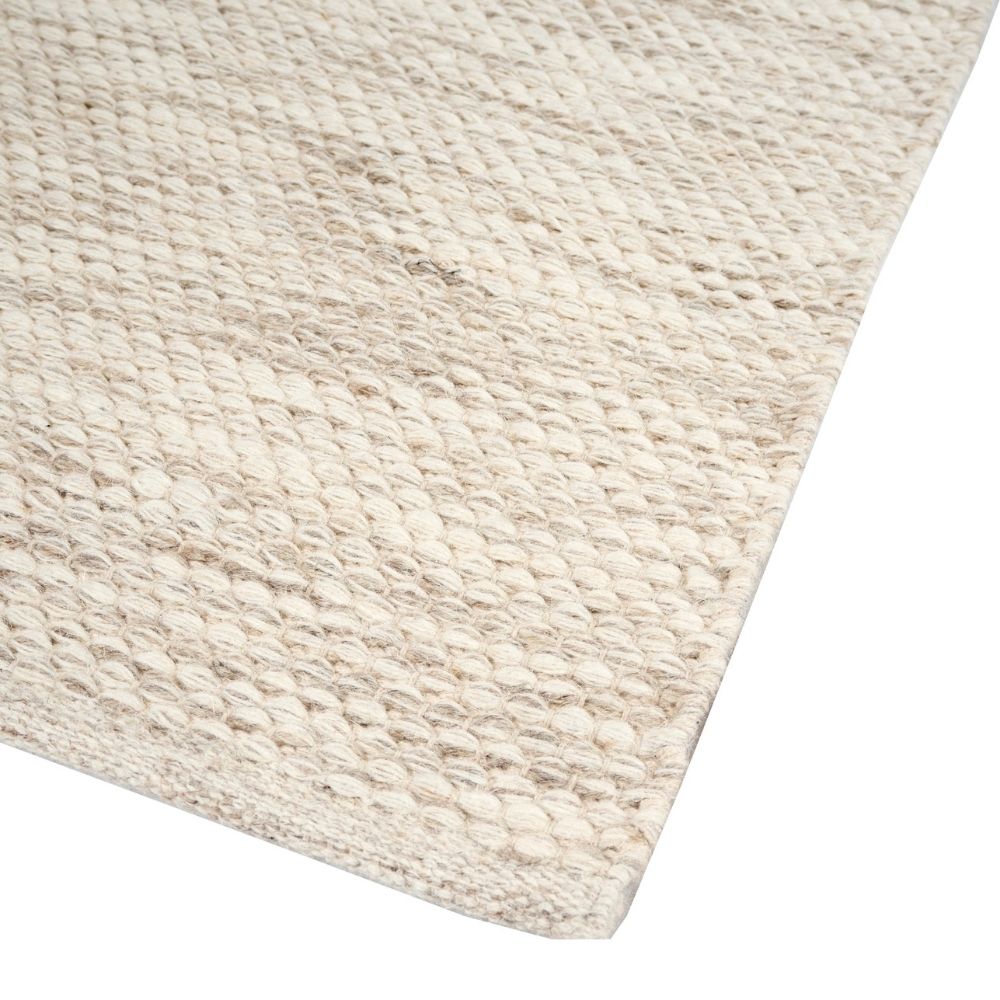
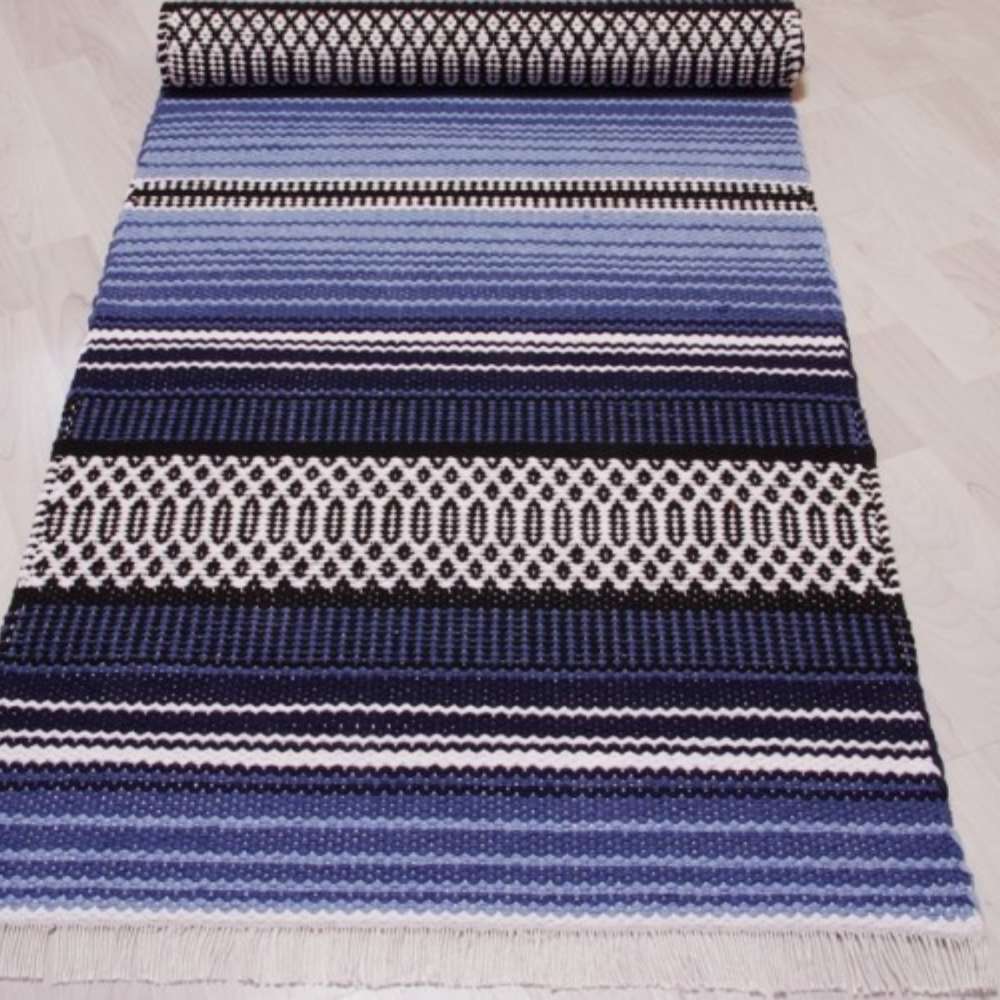
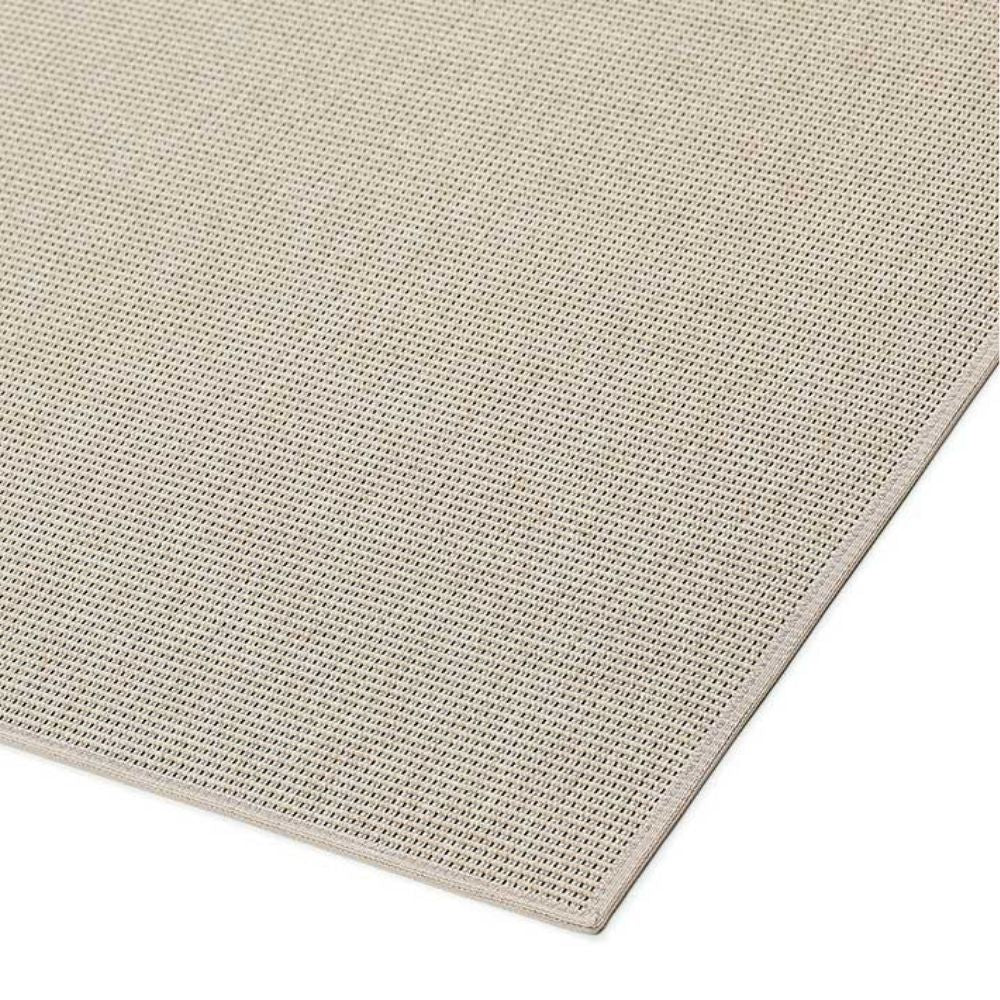
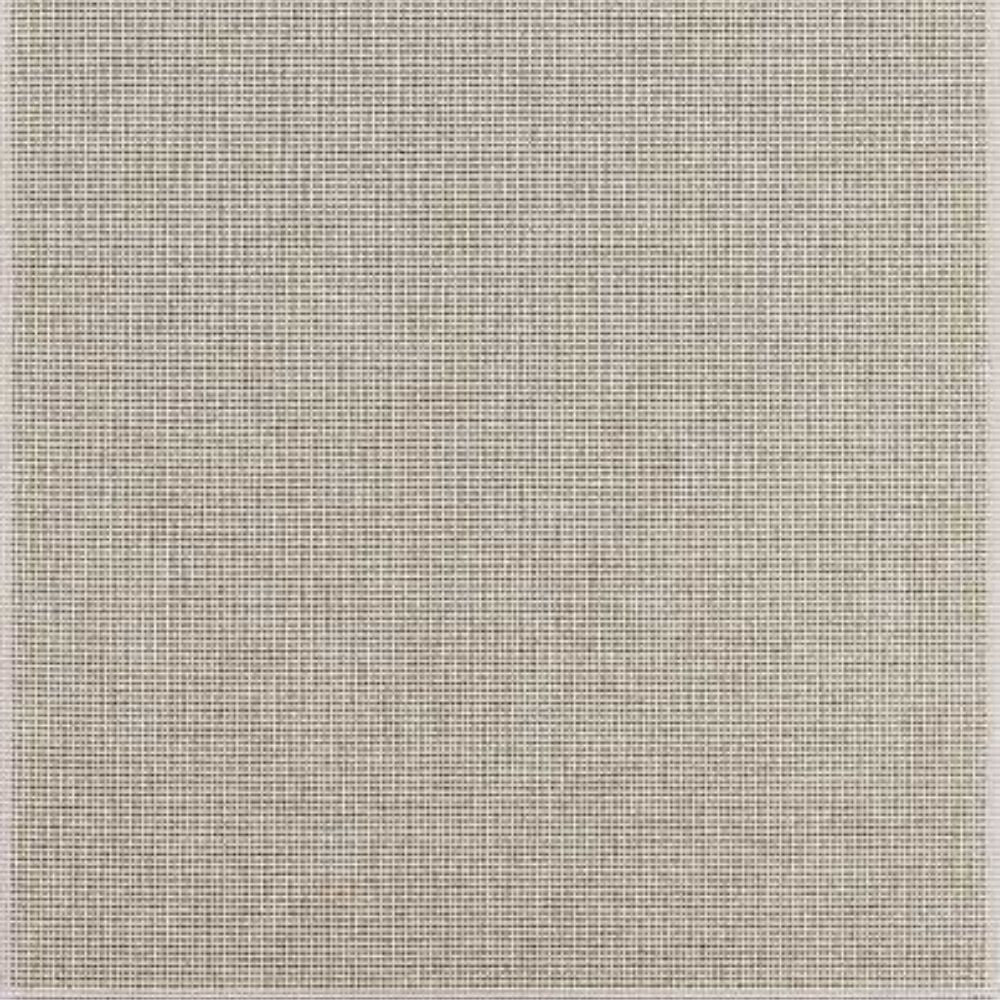
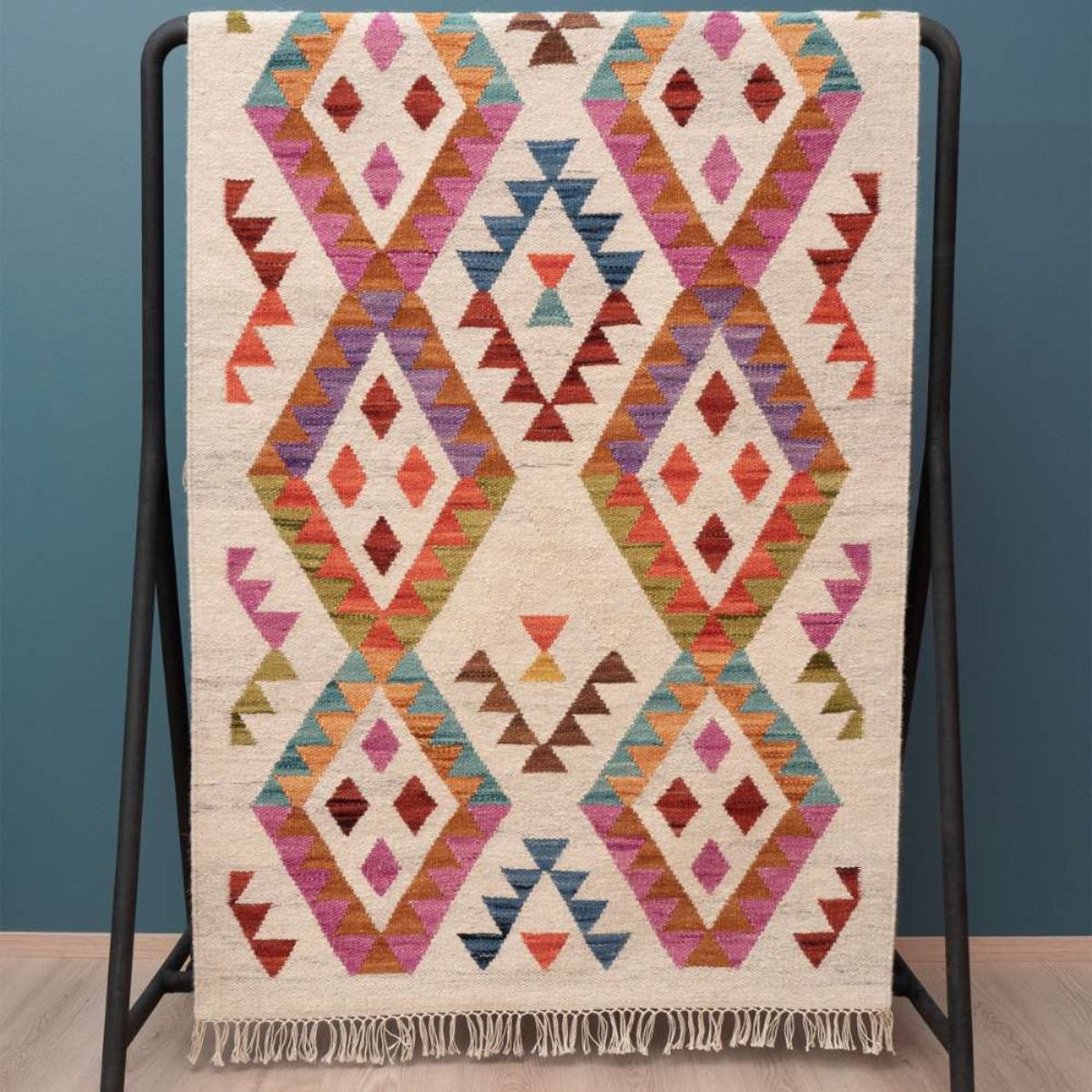
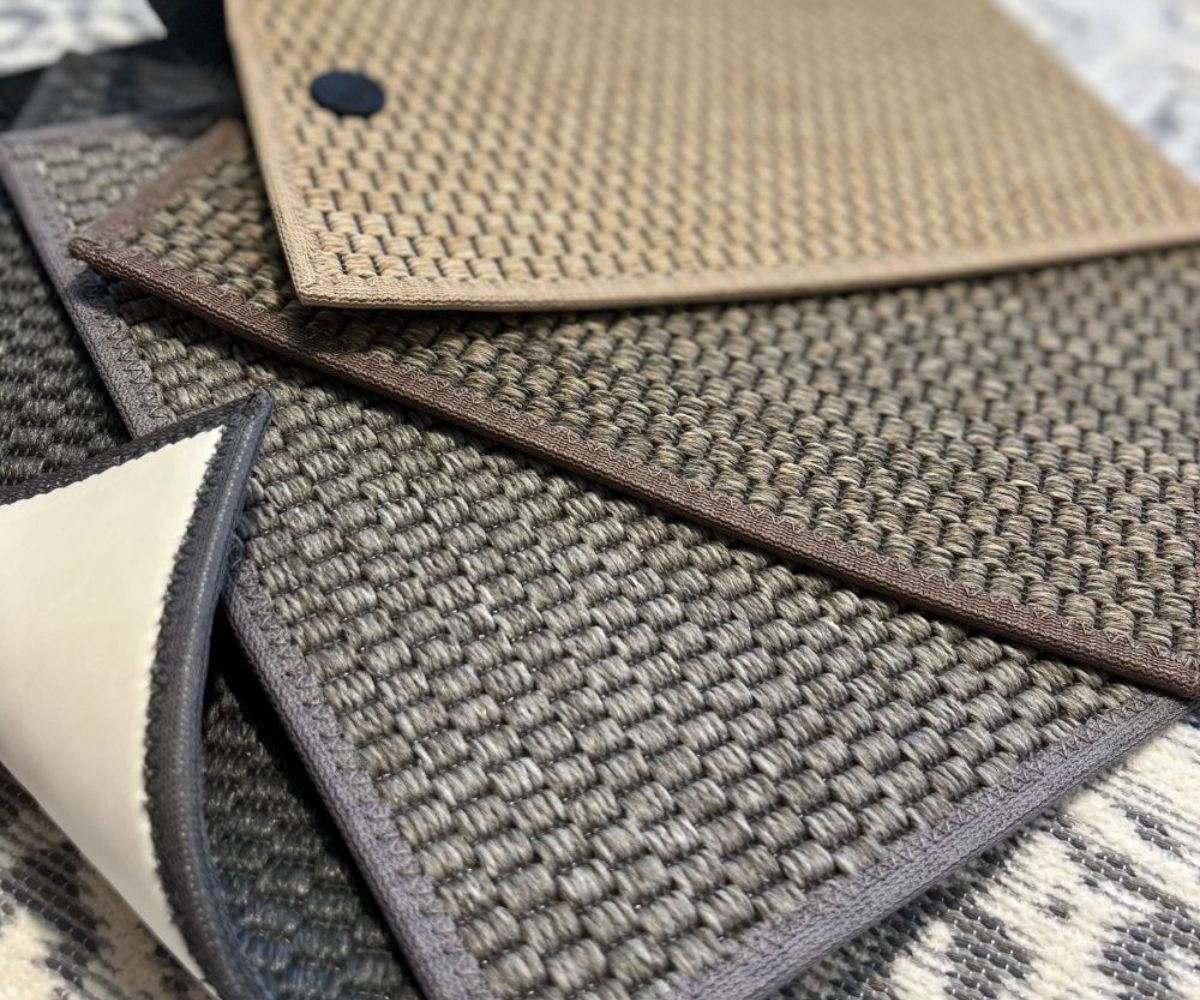
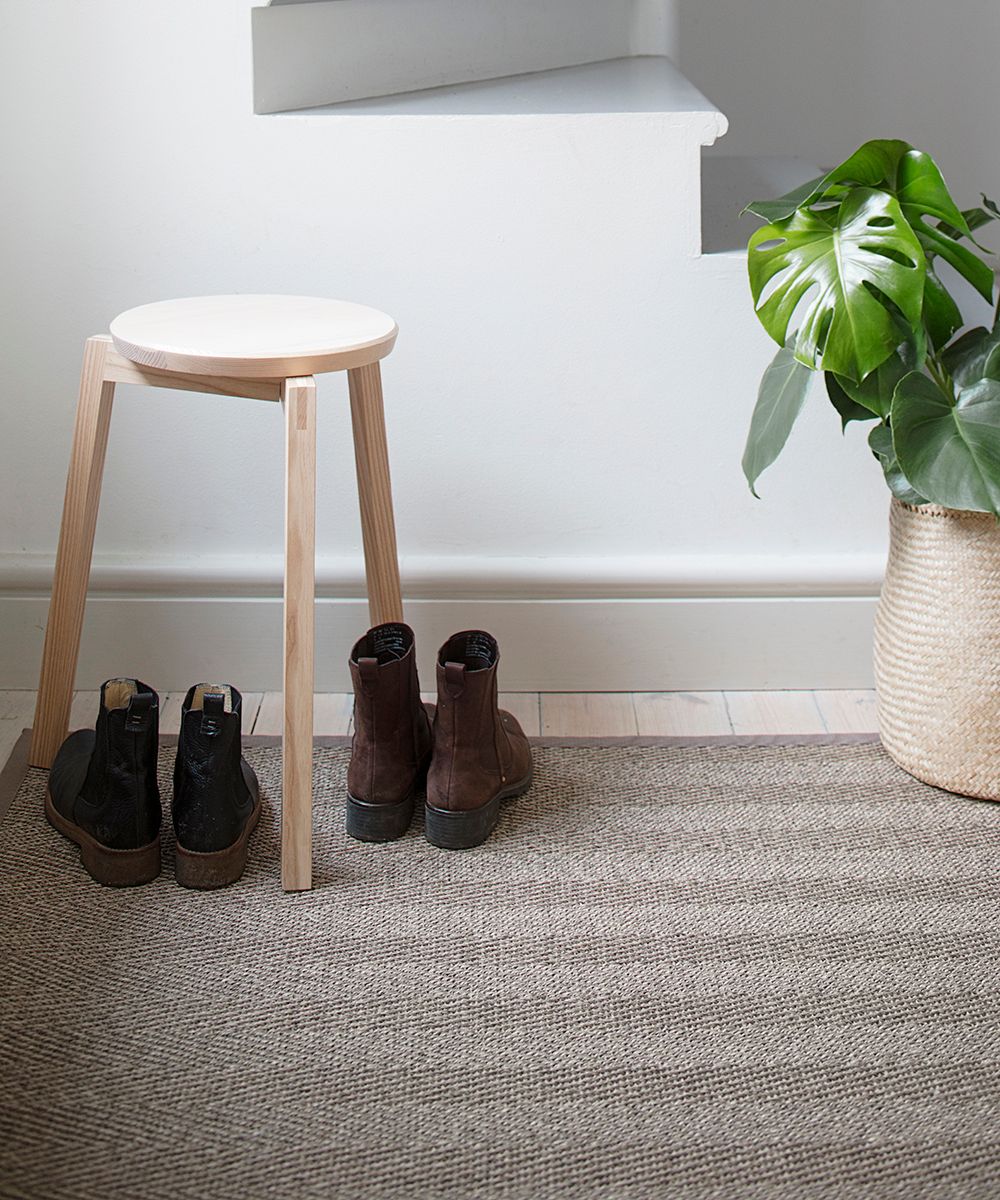
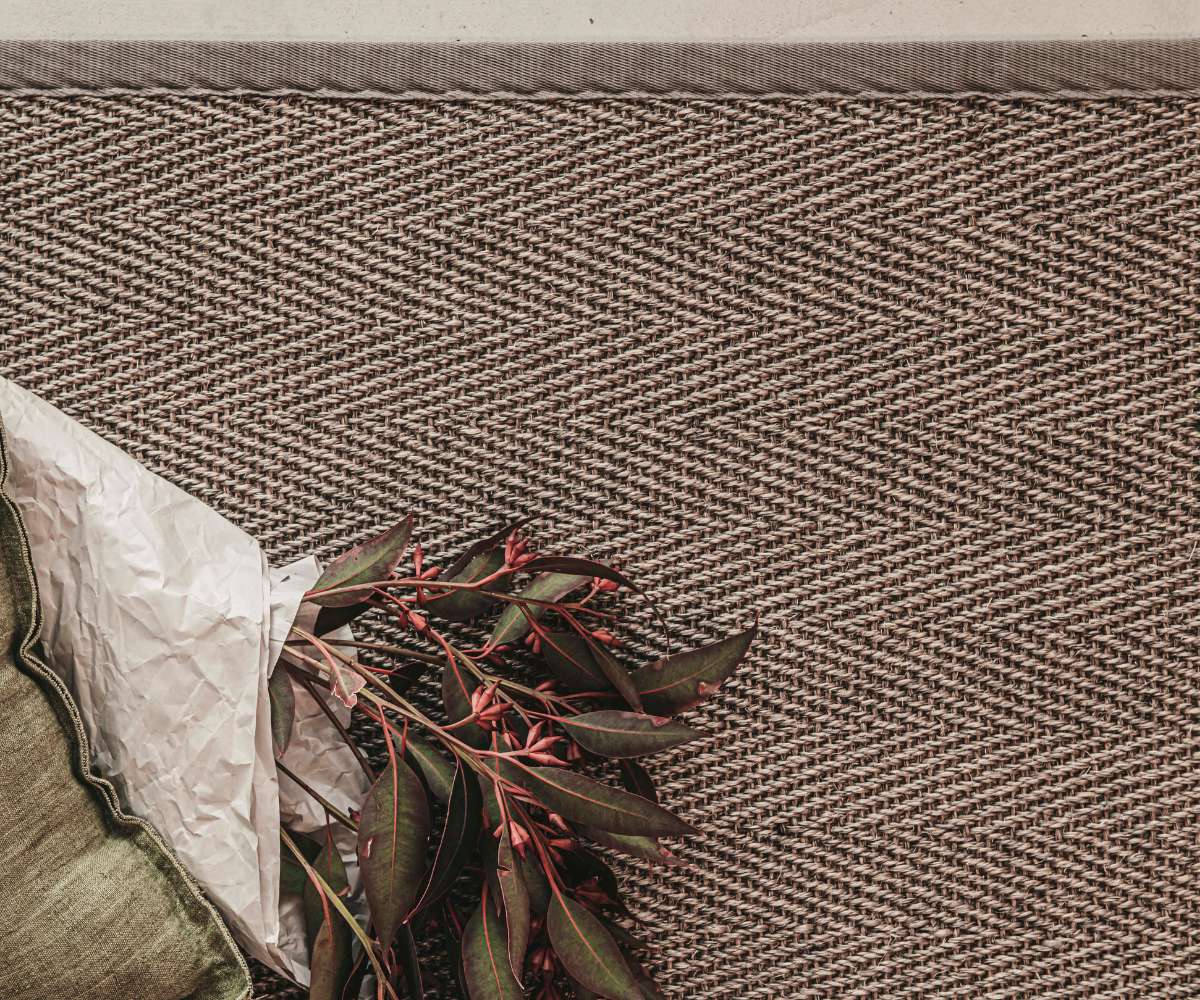
A flatwoven rug has little or no upright pile. Its surface is created primarily through the weave itself, which can make the rug relatively even and easy to cross.
Flatwoven rugs can be a good option in dining areas, hallways and other spaces where regular cleaning is important. Their practical suitability still depends on their weight, backing and edges. A very lightweight flatwoven rug may move or fold when the robot vacuum approaches it.
High-pile and shaggy rugs
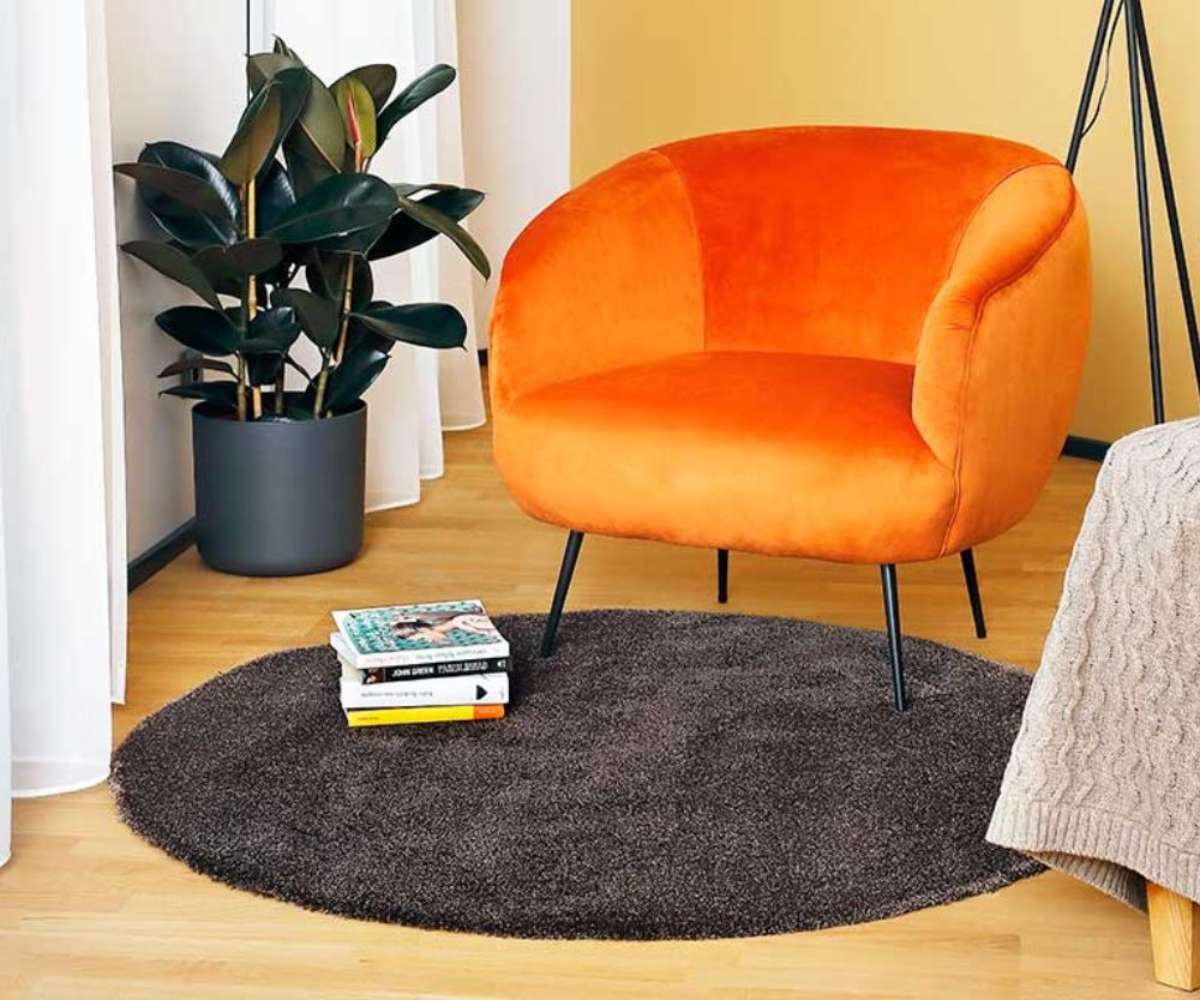
A high-pile rug can create more resistance. The wheels may sink into the surface, while fibres can reach the side brushes or main brush. A very soft pile may also slow the device down or cause it to change direction.
This does not mean that every thick or shaggy rug is impossible to use with a robot vacuum. Some devices handle soft surfaces better than others. However, the combination should be tested carefully, and a restricted cleaning zone may be useful if the rug repeatedly causes problems.
Check the Total Thickness, Not Just the Pile
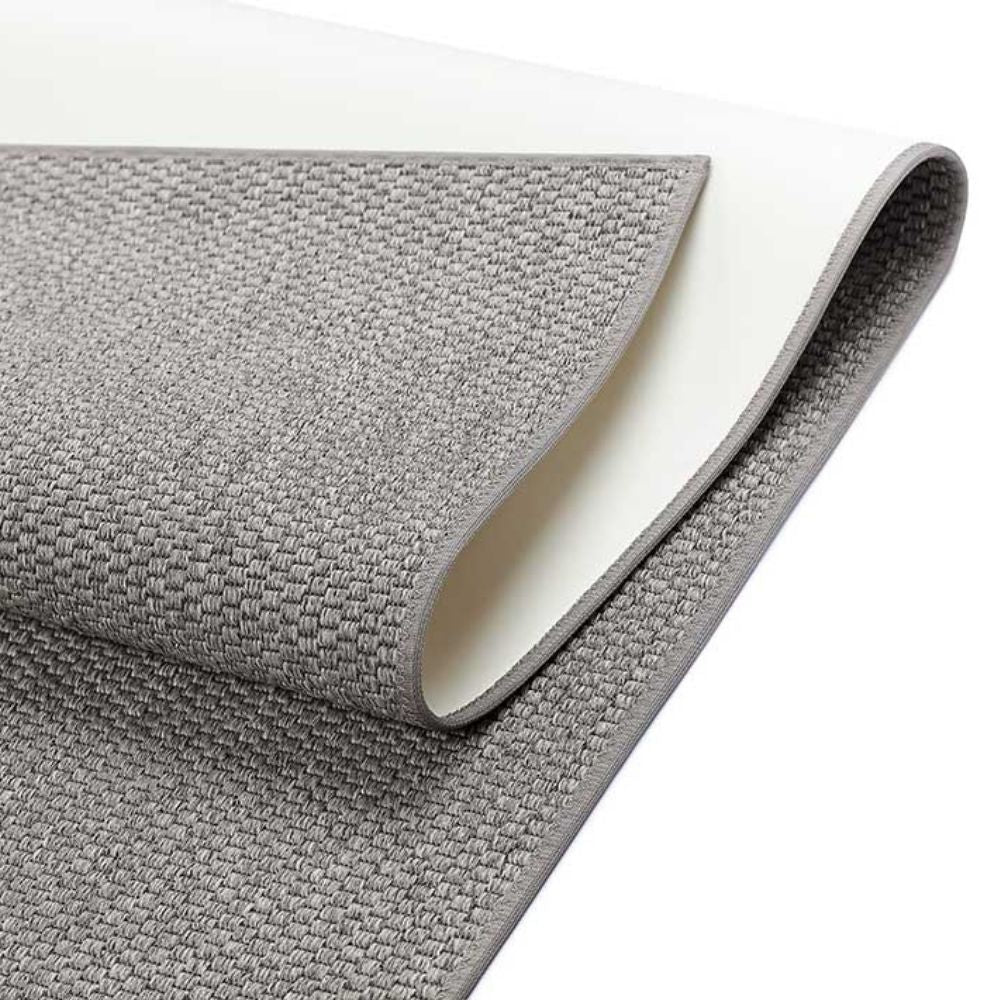
Pile height and total rug thickness are not the same thing. A rug may have a short surface but still be relatively thick because of its base, backing or bound edge.
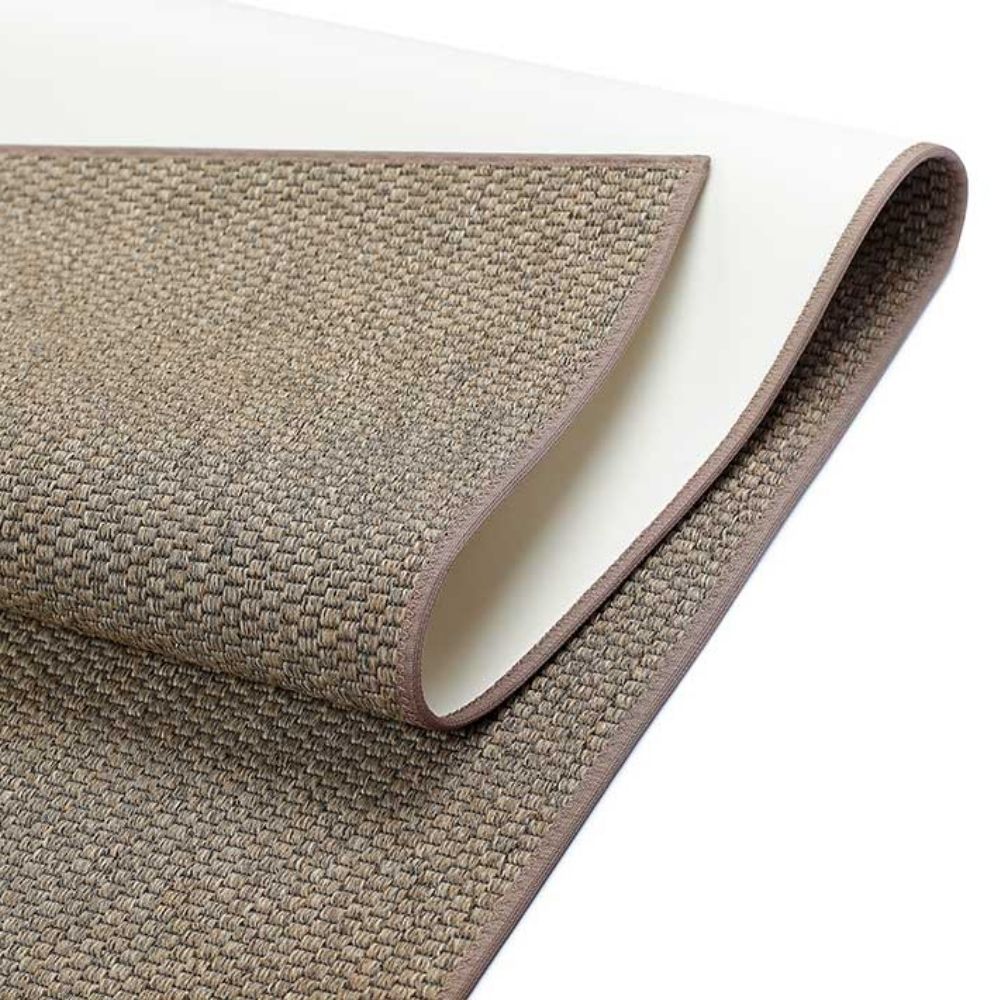
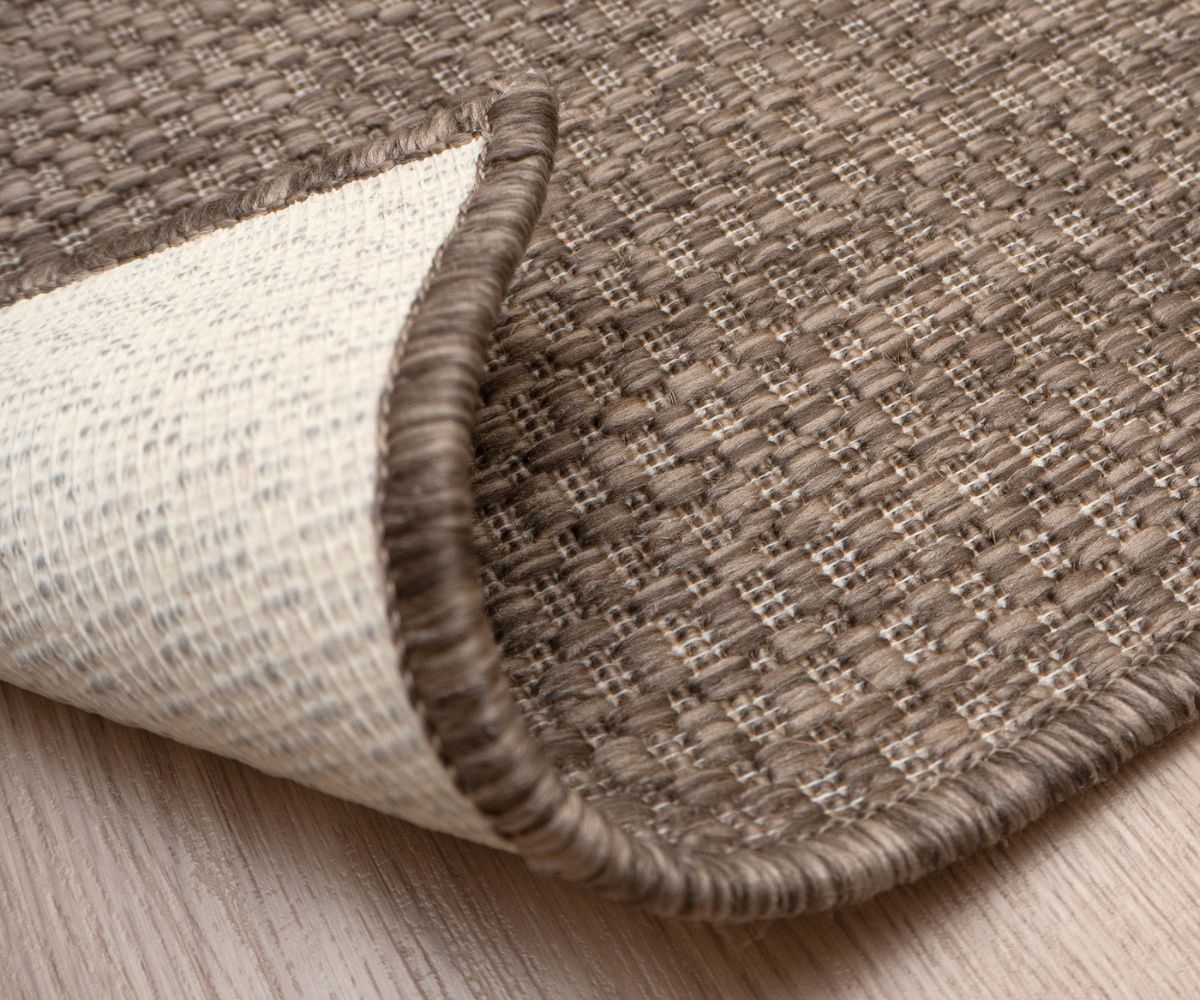
The robot vacuum must first climb from the floor onto the rug. A gradual, flat transition is usually easier than a firm, high or rounded edge. If the front of the vacuum repeatedly pushes against the edge instead of climbing over it, the problem may be the total profile rather than the surface material.
When comparing rugs, examine:
- the height of the pile
- the thickness of the woven base
- the construction of the edge
- any separate backing
- the combined thickness of the rug and underlay
- whether the corners remain flat
A rug underlay may improve stability, but it also increases the total height. This trade-off should be considered before selecting a thick underlay.
Product measurements can help, but they do not always describe how soft or compressible the edge is. If possible, inspect the construction closely or request additional product information before making a decision.
Fringes and Loose Threads Can Interrupt Cleaning
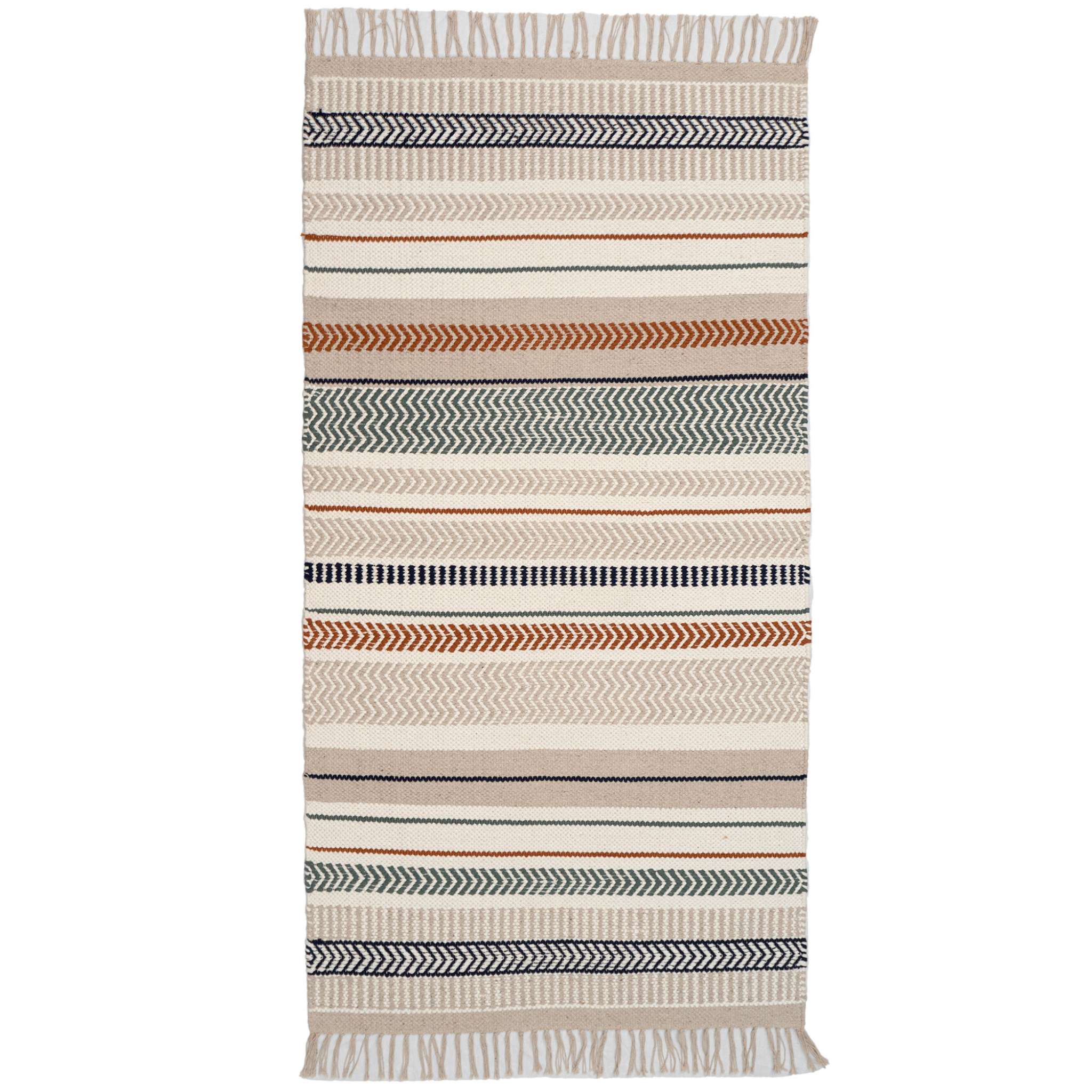
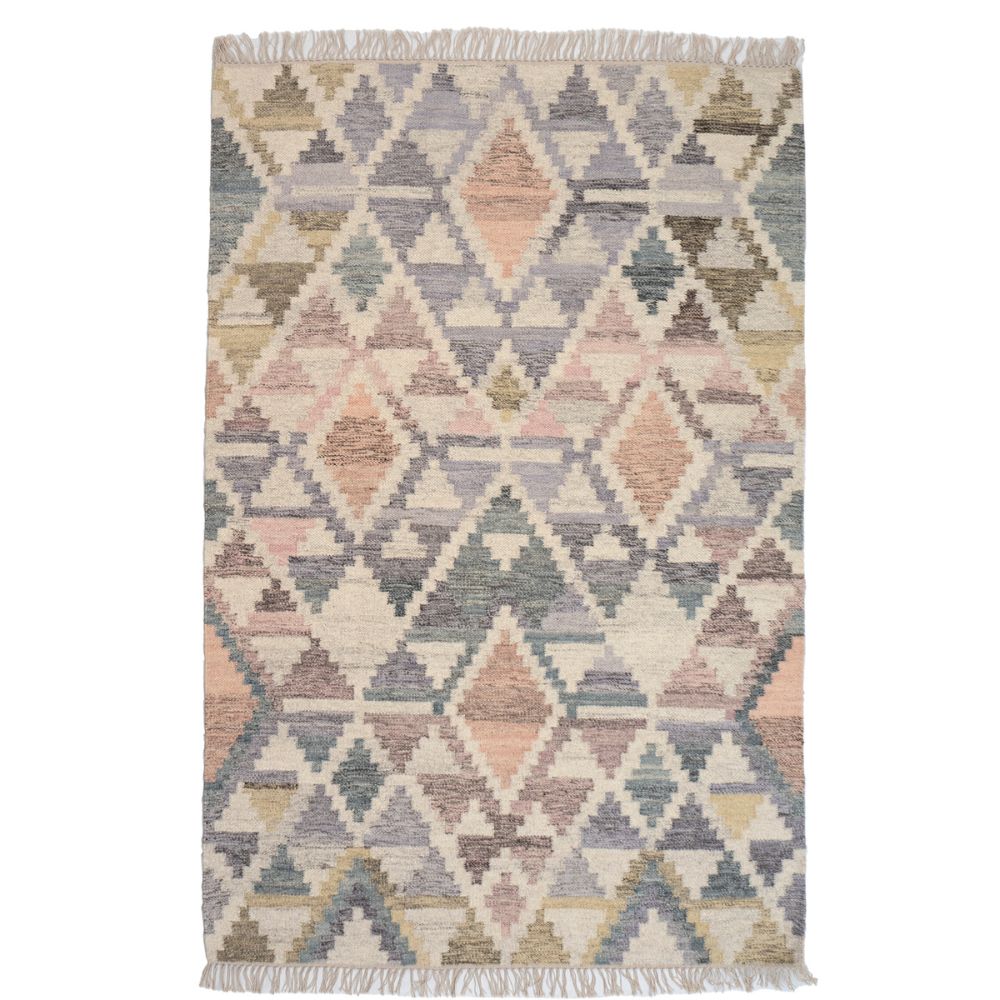
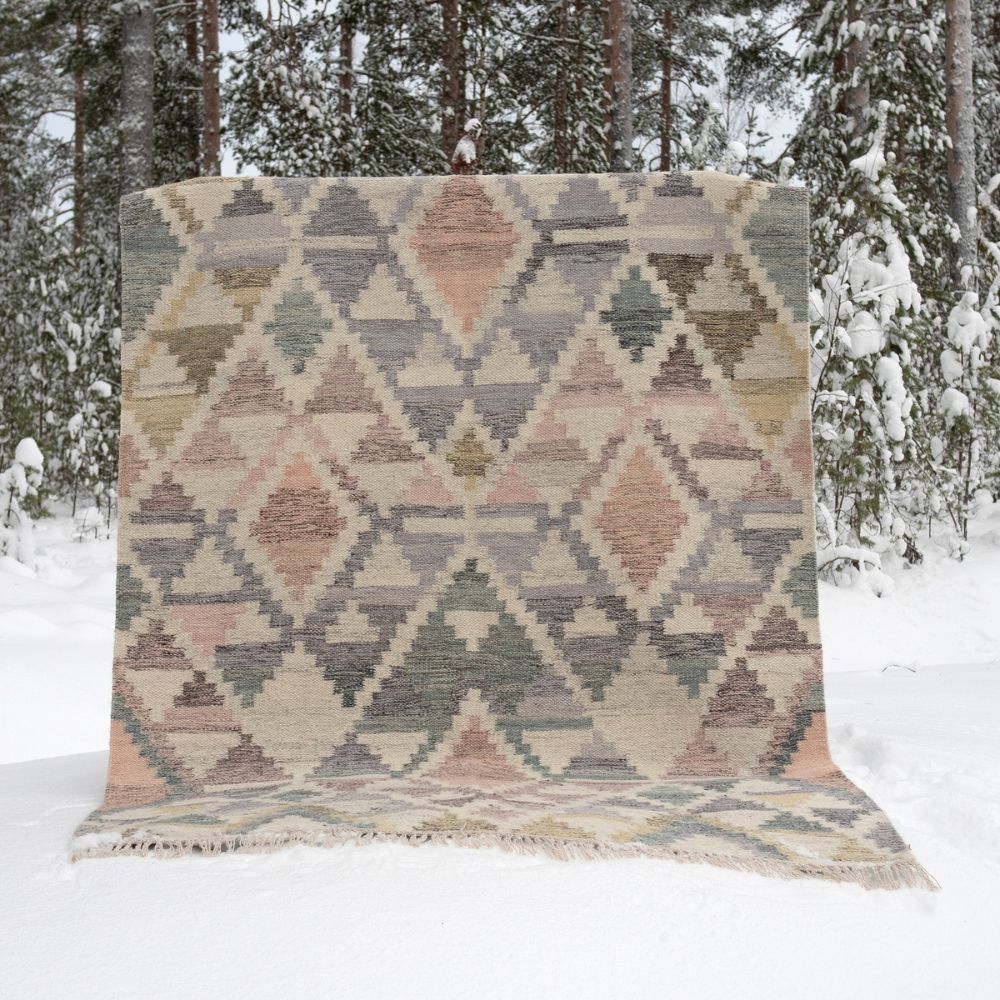
Long fringes are one of the clearest potential problem areas. They can become caught around rotating side brushes, wheels or the main brush. Even when the robot vacuum manages to free itself, repeated contact can disturb the fringes or pull the rug out of position.
Short, firm fringes may be less problematic, but compatibility still depends on the device and how the fringe lies on the floor.
If you already own a fringed rug, possible solutions include:
- placing the fringes neatly beneath the rug before cleaning
- creating a restricted zone around the rug
- temporarily lifting or securing the fringes
- cleaning the rug separately with another vacuum
- monitoring the first cleaning runs carefully
Loose loops and threads should also be treated cautiously. A rotating brush can catch a thread and pull it further from the rug’s surface. If a thread is already loose, follow the product’s care instructions rather than pulling it.
The Rug Should Stay in Place
A robot vacuum pushes against the rug every time it crosses the edge or changes direction. A lightweight rug may slide, wrinkle or bunch up in front of the device.
Movement is not only inconvenient. It can create a new raised edge that the robot vacuum cannot cross. It may also leave the rug in the wrong position after cleaning.
The rug’s own weight can improve stability, but weight is not the only factor. The floor material, rug backing, size and direction of movement all affect how securely it stays in place.
A suitable anti-slip underlay can help when it is compatible with both the rug and the floor. Before using one, check:
- whether it is intended for the floor material
- whether it can be used with underfloor heating
- whether it could leave marks or residue
- whether it changes the rug’s care requirements
- how much it increases the total thickness
For more background on rug construction and fibres, see the rug materials guide.
Edges and Corners Should Lie Flat
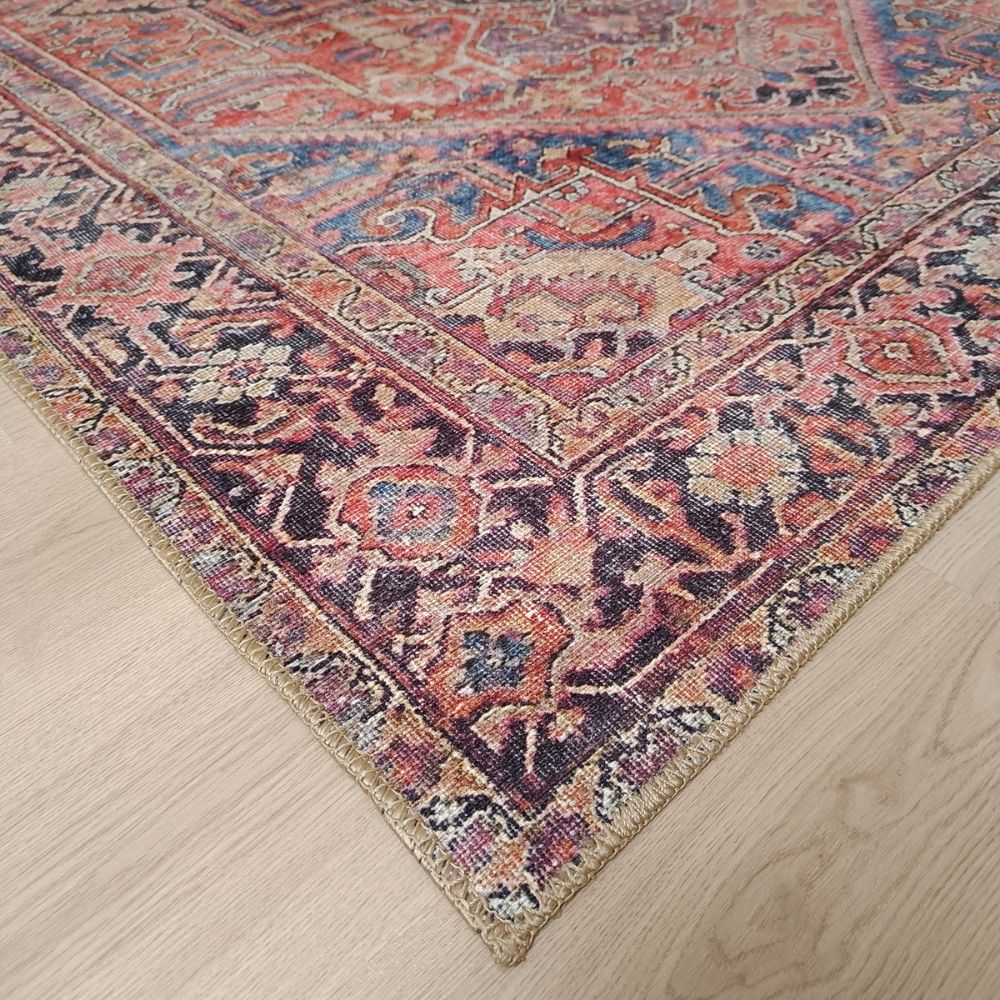
A flat centre is not enough if the corners curl upwards. A raised corner can catch the front of the robot vacuum, fold under the device or cause the vacuum to push the rug across the floor.
Corners can rise for several reasons. The rug may have been rolled tightly for transport, the edge construction may be relatively firm, or the rug may move repeatedly during cleaning. Moisture, heat and incorrect treatment can also affect some materials.
Always follow the care instructions provided for the rug. Do not use heat, moisture, adhesive products or heavy objects unless they are suitable for the particular material and floor.
A practical rug for robot-vacuum use should ideally have:
- straight edges
- corners that remain in contact with the floor
- no loose binding
- no decorative details extending into the device’s path
- a stable shape during normal cleaning
Material Alone Does Not Determine Compatibility
It is tempting to search for one material that is always suitable for robot vacuums. In reality, structure is usually more important than the fibre name.
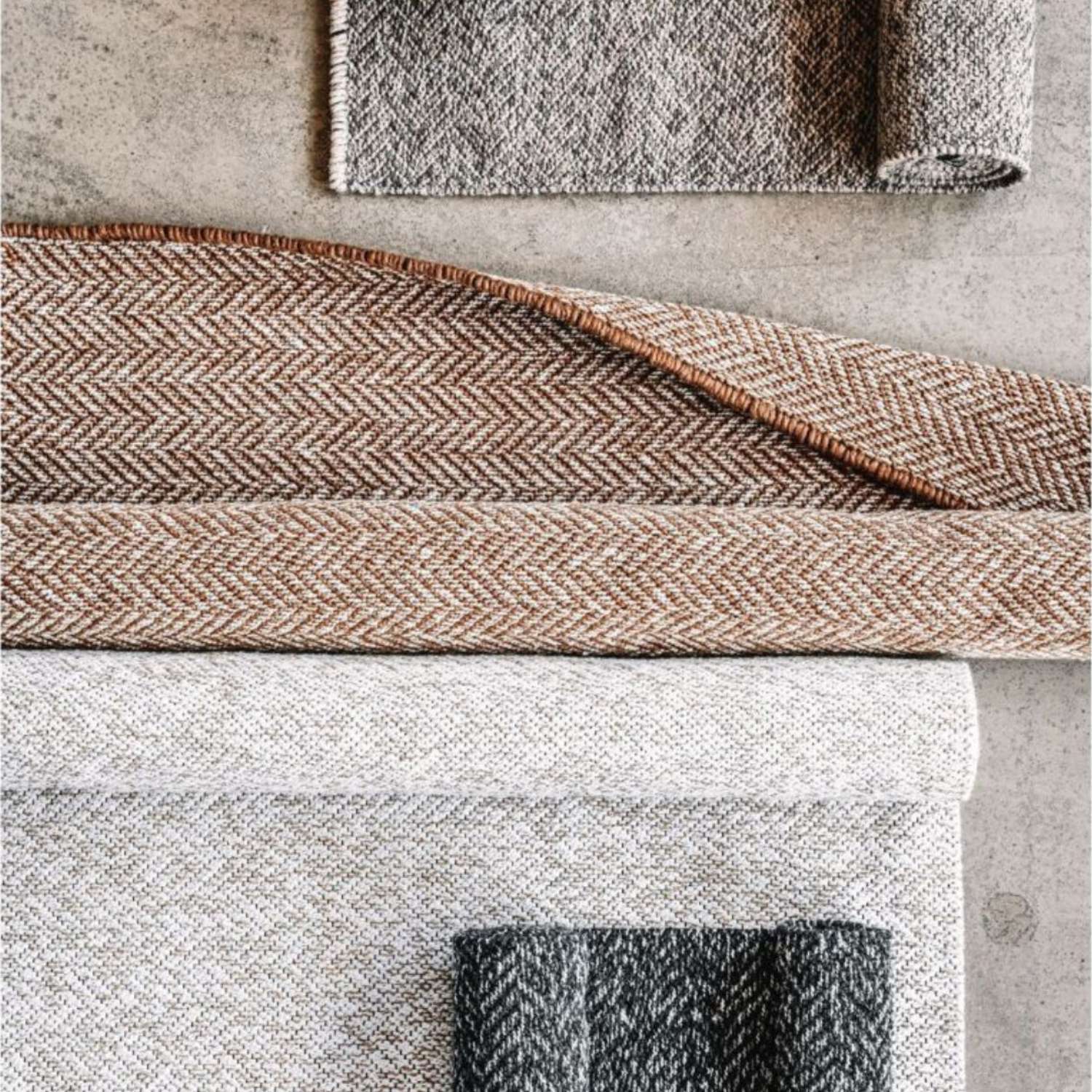
Wool, synthetic fibres, cotton and other materials can all be used in rugs with very different surfaces and thicknesses. A tightly woven wool rug may be easier for a robot vacuum than a deep synthetic rug, while a thin synthetic rug may be more stable than a lightweight cotton rug.
When comparing materials, consider the following questions:
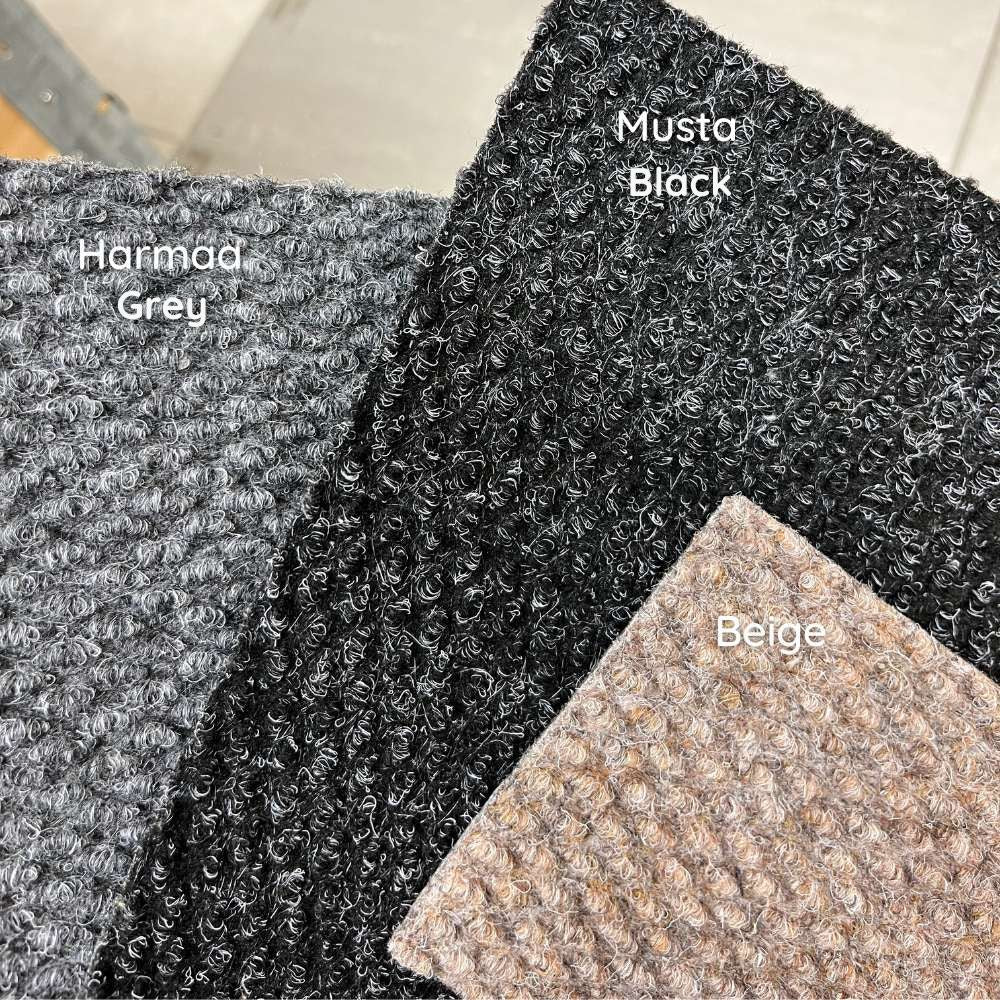
- Is the surface smooth, looped, cut or shaggy?
- How dense is the construction?
- Does the rug release loose fibres?
- Are there long threads or decorative elements?
- Does the rug keep its shape?
- What do the care instructions allow?
- Is the rug light enough to move during cleaning?
Material remains important for comfort, appearance, maintenance and the intended room. It simply should not be used as the only measure of robot-vacuum compatibility.
Consider Everyday Maintenance as a Whole
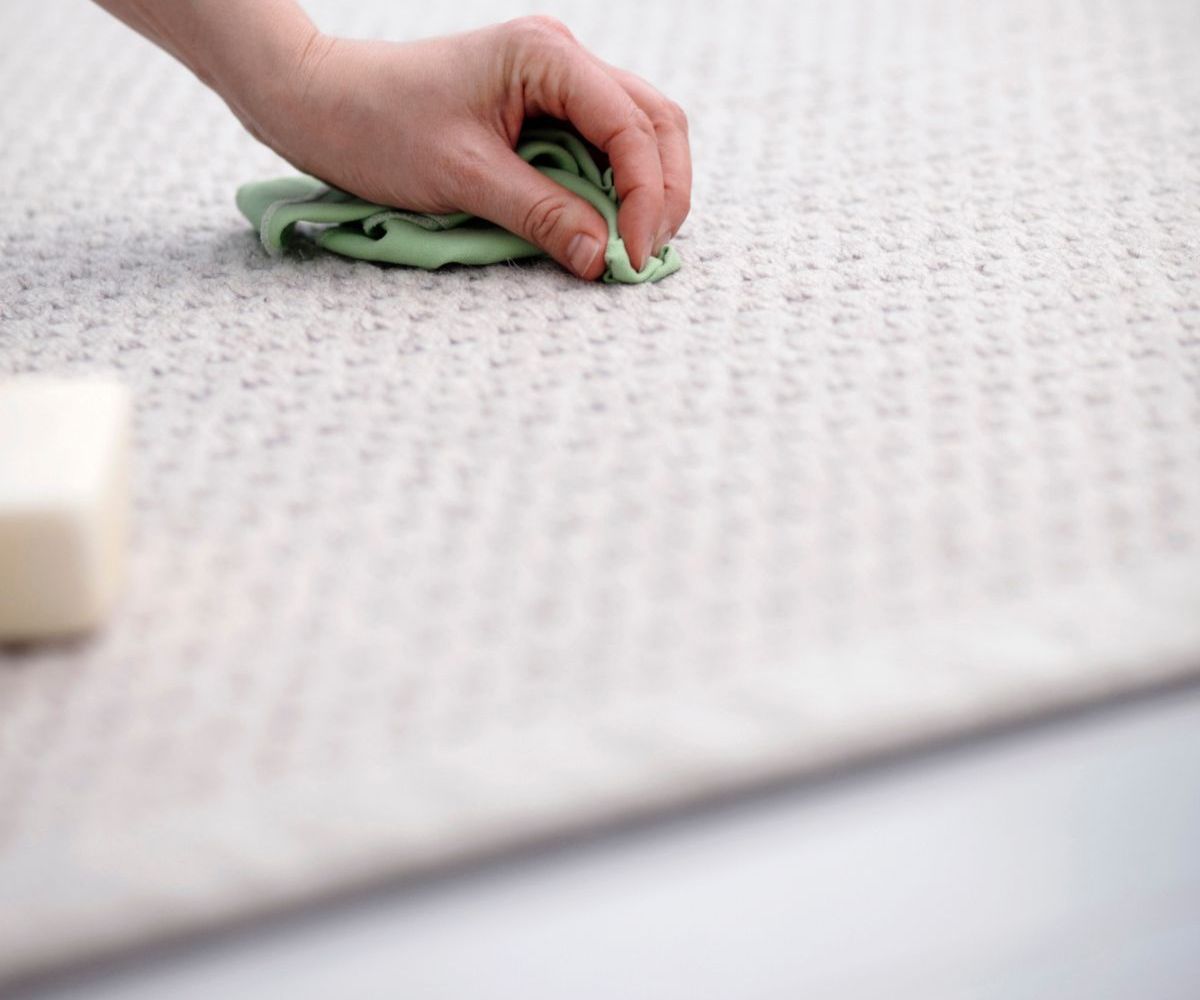
A rug can be easy for a robot vacuum to cross but still require other forms of care. Corners, edges and areas beneath furniture may need separate cleaning. Stains should be treated according to the product’s care instructions, and the rug may occasionally need a more thorough clean.
Robot vacuuming is best viewed as one part of a complete maintenance routine. It is particularly useful for collecting loose dust, crumbs, hair and surface debris between more thorough cleaning sessions.
Before choosing a rug, ask:
- How often will the room be cleaned?
- Is the space used with outdoor shoes?
- Does the household include pets or small children?
- Is the rug placed beneath a dining table?
- Can the rug be moved when deeper cleaning is needed?
- Are clear care instructions available?
A practical rug should suit both the cleaning device and the room in which it will be used. Explore the rug care guide before treating stains or using cleaning products.
Dark Rugs and Robot-Vacuum Sensors
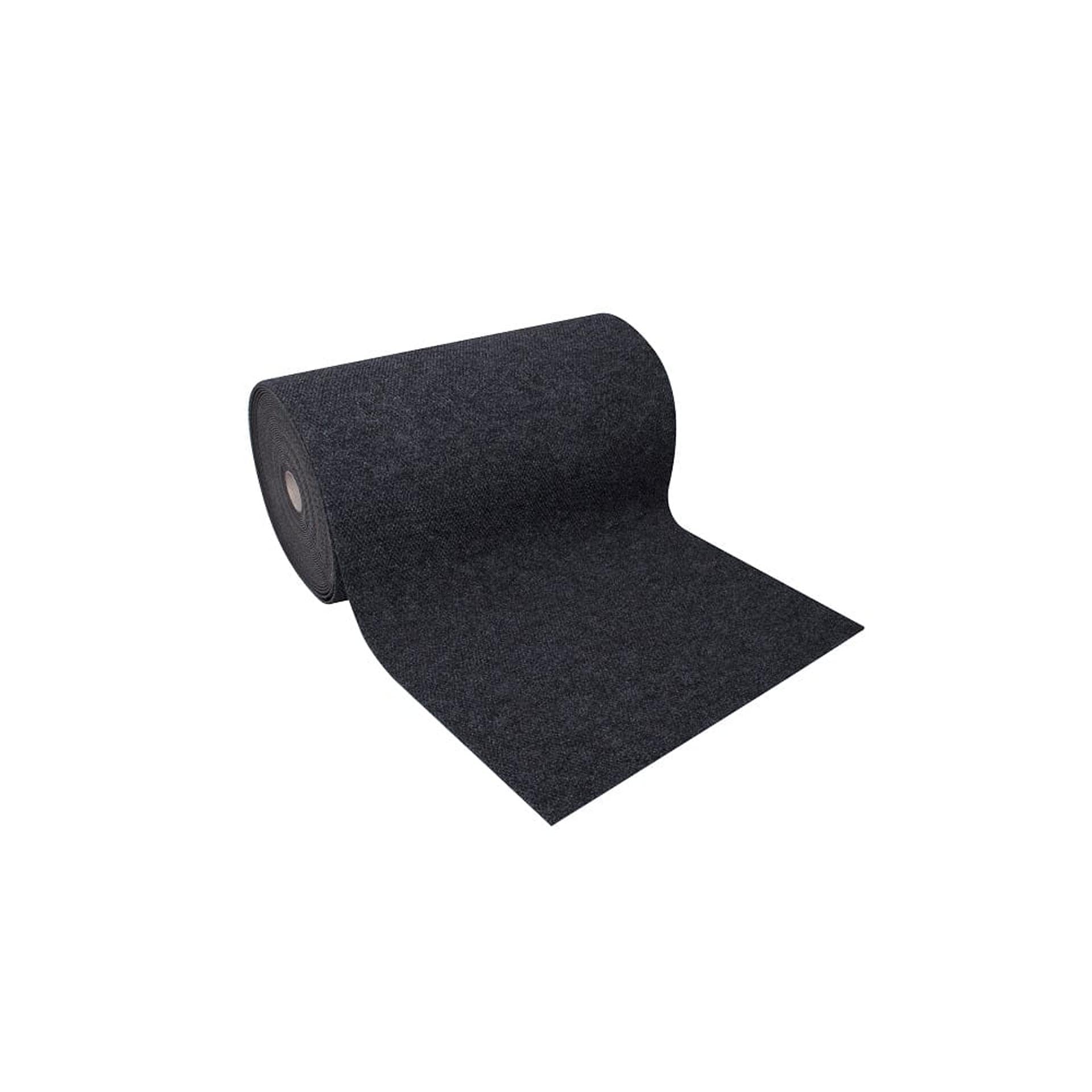
Some robot vacuums can interpret very dark areas or strong contrasts as a drop, step or obstacle. This may cause the device to stop, turn around or avoid part of the rug.
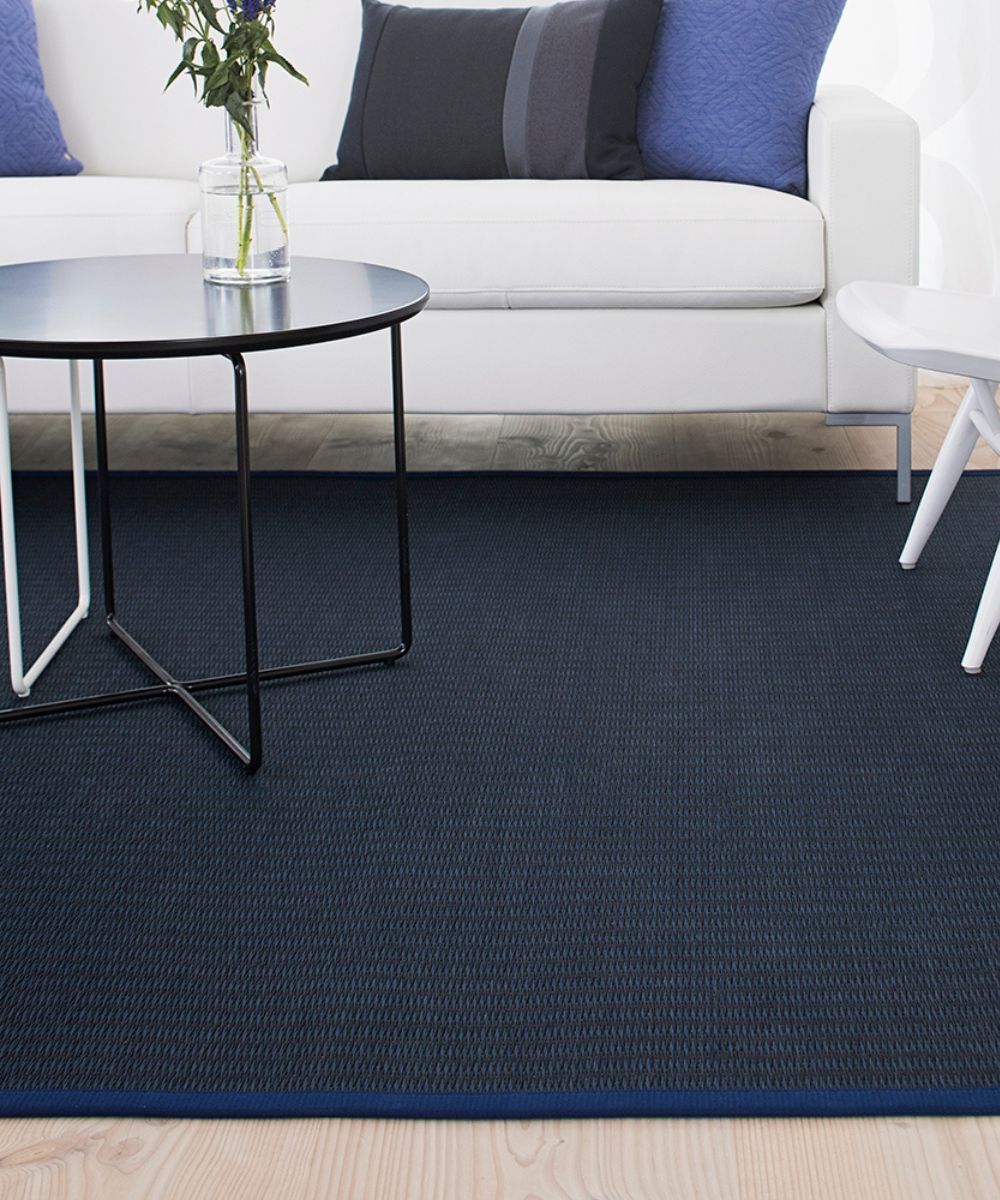
The behaviour depends on the vacuum’s sensor system, software and settings. A black rug does not automatically cause problems, and a light rug is not automatically compatible. However, if the device avoids a dark pattern while cleaning the surrounding floor normally, the sensors may be reacting to the colour contrast.
Check the manufacturer’s instructions before changing sensor settings or covering any sensors. Safety features should not be disabled without explicit guidance from the device manufacturer.
How to Test a New Rug Safely
The first cleaning run should be supervised. Do not assume that the robot vacuum will recognise every edge, fringe or surface correctly.
Use this step-by-step test:
- Place the rug on a clean, dry floor.
- Make sure the rug is straight and the corners lie flat.
- Remove loose objects, cables and lightweight decorations.
- Position fringes so that they cannot easily reach the brushes.
- Start the robot vacuum close enough to observe the transition.
- Watch it approach the rug from several directions.
- Check whether it can climb onto the rug without pushing it.
- Observe how the device turns and moves across the surface.
- Confirm that it can return to the hard floor.
- Stop the test if fibres, fringes or edges become caught.
After the first run, check the underside of the vacuum and the rug’s edges. Look for wrapped threads, displaced corners or other signs of repeated contact.
Repeat the test after adding an underlay, moving the rug or changing the vacuum’s brush settings. Even a small change can affect how the combination works.
Common Mistakes When Choosing a Rug
Looking only at the material
The fibre name does not reveal the full structure. Check the pile, weave, backing, weight and edge construction as well.
Ignoring the rug’s total height
A short pile can still sit on a thick base. Consider the entire transition from the floor to the top of the rug.
Choosing a very lightweight rug without checking stability
A thin rug is not necessarily a stable rug. If it slides or wrinkles, the robot vacuum may struggle even though the surface is low.
Forgetting about fringes
Fringes can reach the brushes before the main body of the vacuum has climbed onto the rug. Include them in the compatibility assessment.
Leaving the first cleaning run unsupervised
Potential problems are easiest to identify during a controlled test. Supervision can help prevent tangled fibres and repeated strain on the rug or device.
Assuming all robot vacuums behave alike
Wheel height, brush design, sensors and software vary. Always compare the rug with the specifications and instructions of the particular vacuum.
Buyer’s Checklist for a Robot-Vacuum-Friendly Rug
Before purchasing, check the following:
- The surface is relatively low and even.
- The pile is not so deep that the wheels sink into it.
- The total thickness appears manageable for the device.
- The edges are flat rather than thick or strongly rounded.
- The corners do not curl upwards.
- There are no long fringes or loose decorative threads.
- The rug has enough weight or grip to remain in place.
- Any underlay is suitable for the rug and floor.
- The rug’s care instructions are clear.
- The colour or pattern is unlikely to cause known sensor problems.
- The rug suits the room’s actual cleaning needs.
- The first cleaning run can be supervised.
If easy maintenance is a priority, compare easy-care rugs alongside low-pile and flatwoven options. “Easy care” should still be assessed using the product-specific material and care information.
Frequently Asked Questions About Rugs and Robot Vacuums
Can a robot vacuum clean a high-pile rug?
It depends on the rug and the device. A very deep or soft pile can increase resistance and reach the brushes or wheels. Check the maximum threshold guidance provided by the vacuum manufacturer and supervise the first test.
Is a flatwoven rug always the best option?
Not always, but its low and even surface can make it a practical choice. A lightweight flatwoven rug may still slide or bunch up, so stability and edge construction must also be considered.
Can I use an anti-slip underlay?
A suitable underlay can improve stability, but it increases the rug’s total thickness. Confirm that the underlay is compatible with the rug, floor material and any underfloor heating.
What should I do with rug fringes?
Keep long fringes away from rotating brushes. Depending on the rug and device, you may need to fold the fringes beneath the rug, restrict access to the area or clean the rug separately.
Why does my robot vacuum avoid a dark rug?
Some devices may interpret dark areas or strong contrasts as a drop or obstacle. Consult the manufacturer’s instructions and do not disable safety sensors without explicit guidance.
Can a robot vacuum damage a rug?
Problems are possible if brushes catch loose threads, loops or fringes. Regularly check both the rug and the vacuum, and stop using the device on that rug if you notice repeated catching or visible damage.
Which Rug Should You Choose?
Choose a rug by looking at the complete structure rather than one isolated feature. A robot-vacuum-friendly rug is generally low, even, stable and free from loose elements. It should have flat edges, manageable total thickness and a surface that does not obstruct the device’s wheels or brushes.
A low-pile or flatwoven construction is often the most practical place to begin, but there is no universal solution for every robot vacuum. Compare the rug’s construction with the manufacturer’s instructions for your particular device and supervise the first cleaning runs.
The final choice should also work for the room itself. Appearance, comfort, size, material and care requirements still matter. A successful rug is not merely one that the robot vacuum can cross—it should also make the space comfortable, functional and easier to maintain.